BEN WEAVER – CO-FOUNDER OF ‘HERE’ PRESS

  • GRAPHIC DESIGNER & ART DIRECTOR
  • BASED IN LONDON
  • CO-FOUNDER OF ‘HERE’ PRESS (INDEPENDANT PUBLISHING HOUSE FOCUSED ON DOCUMENTARY PHOTOGRAPHY)
  • ART DIRECTOR OF ‘THE WIRE’ MAGAZINE (INDEPENDANT NON-MAINSTREAM MUSIC MAGAZINE ONLINE & IN PRINT)

“A series of flood-damaged photographs rescued from the home of Kurtis’s grandmother before his family fled a financially-ruined Argentina in 2001, connect the harsh impersonal processes of the sea to the deeply emotional experience of migration, with all the risks and sacrifices such a journey entails.”

http://www.herepress.org/publications/drowned/

This was the first photobook Ben Weaver published for another artist: Seba Kurtis. Focusing on Kurtis’s family’s experience of immigrating. It contains a combination of found flood-damaged photographs, and Kurtis’s own photographs. He intentionally threw tins full of rolls of his shot film into the sea and retrieved them to get that specific damaged effect, to reflect the damage and feeling of being washed away as his family’s experience of migration.
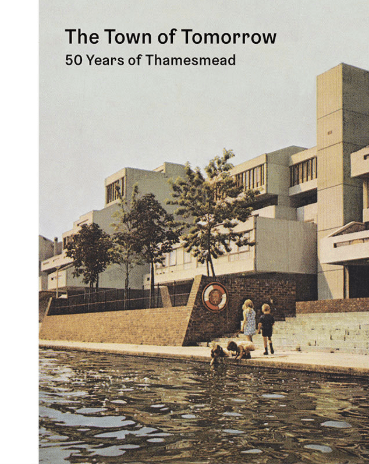
In ‘The Town of Tomorrow’, 50 years of Thamesmead’s history have been assembled and preserved. The architecture of the town and its inhabitants are captured by archive material combined with newly commissioned photography by Tara Darby. Original plans, models, postcards, leaflets and newspaper cuttings are presented alongside interviews with local residents. Together with an introductory essay by John Grindrod, the images convey the story of this influential but often misunderstood town, from the dreams and excitement of its ambitious original vision to the complex realities of living there today.

http://www.herepress.org/publications/50-years-of-thamesmead/

Jason Lazurus: ‘Nirvana’
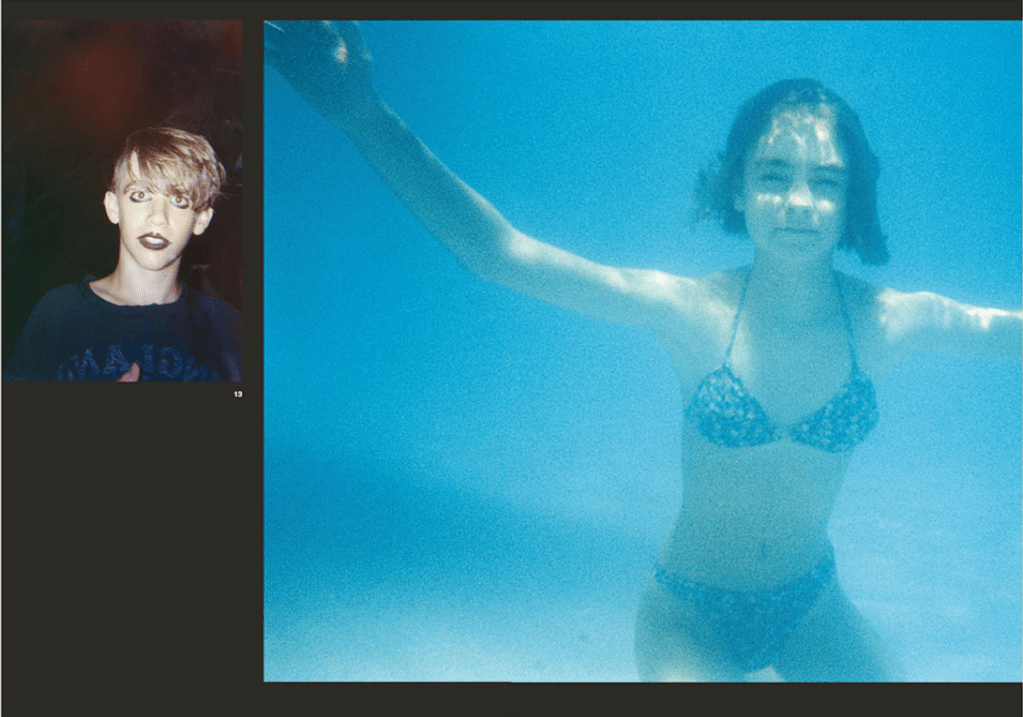
“How were you first introduced to Nirvana?”

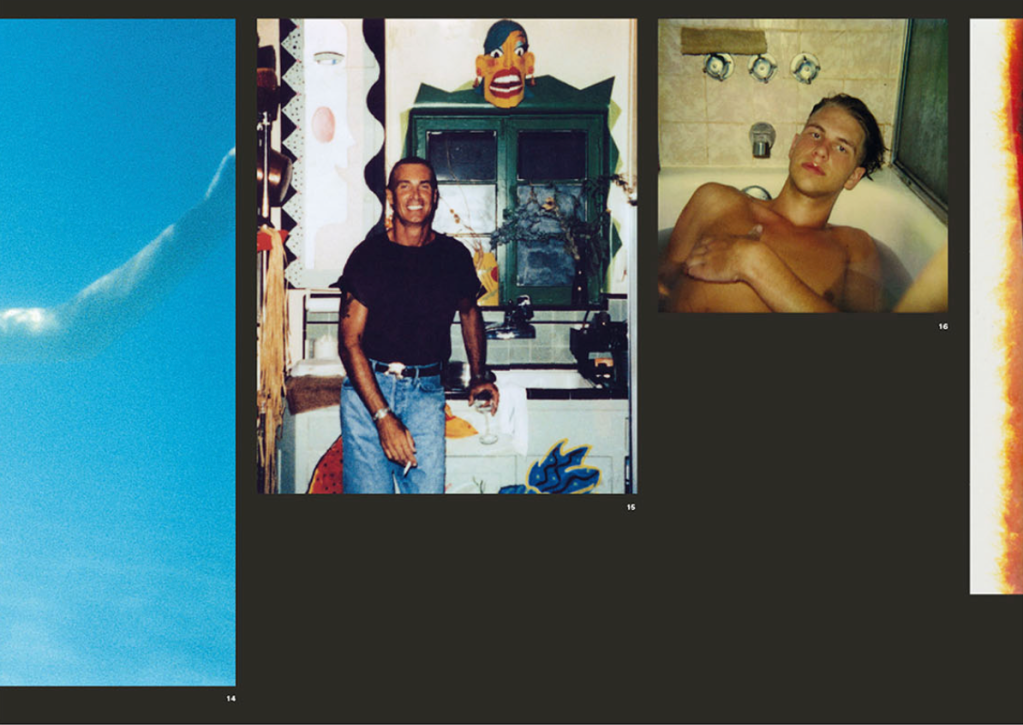
A mixture of Jason Lazurus’s own photographs and those sourced from people he interviewed linking to their experience of the band Nirvana: who introduced them to the band? In what point in their life? Linked with a specific experience?

In the photobook itself, Ben Weaver came up with printing so that the photographs overlapped the pages to show the continuous flow of influence and experience with people discovering Nirvana. I find that small shift of traditional presentation of photographs in a book effective in keeping a visual narrative and suggesting a linked community of Nirvana fans.

I really liked Ben Weaver because he geniunely showed interest in not only the publishing process and the creativity involved, but also the actual subject matter of each photo-book from artists and photographers he published.

I think all the photobooks he has helped to create are made with care and creativity, each being in an individual style to the respective artist and subject matter. I would love to work with him if I come up with a substantial photo series that I think would work well in printed form.

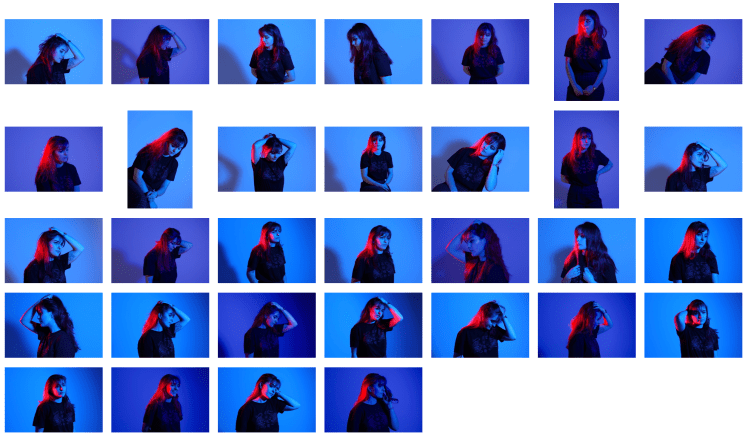
Being an assistant in Studio Portrait session

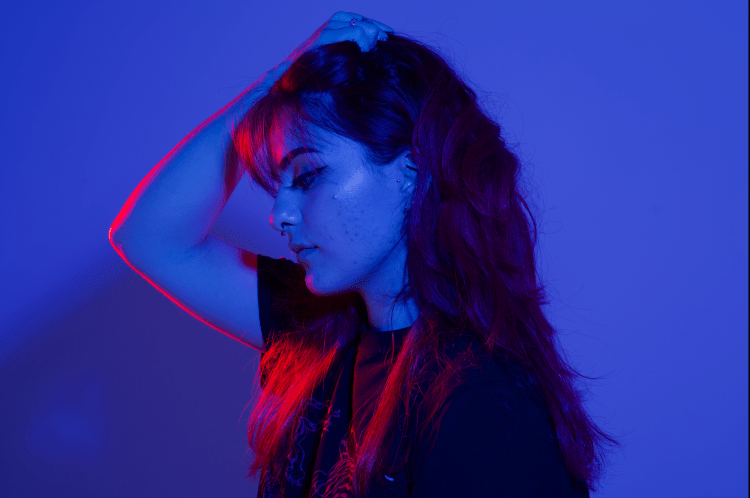
I assisted Krystal Zeng with her studio portrait shoot for the OUPH403 module. Her sitter was Anya W. [10/01/2020]

I found it stimulating to set up and position lights according to how Krystal wanted the photograph to look, and to look at the photographs on ConnectOne (shoot to screen) to double check image focus/sharpness, and if there were unwanted shadows or objects in frame.

I learnt that communication is key in keeping the shoot going and successful. Getting a clear idea of what the photographer wants, making sure the model is comfortable, and making sure all technical aspects are ideal. It is also fun to have an input on the creative aspects of the shoot.

I’ve found I enjoy being an assistant during a photoshoot and would like to do it again, as I find it fun, stimulating and a good way to create bonds with people.

INTRODUCING MYSELF

I am an anxious mess but I am determined to be diligent and innovative with my work, and I’m working hard to build my confidence.

I am interested in all areas of photography, and I’d like to keep my practice broad, but my main focuses are portrait, documentary, street and fine art. I like to look for inspiration in current issues but keep an original aesthetic style.

I am at Leeds Arts University to learn more about the art and practice of photography from a creative hub. I want to achieve an impressive and consistent portfolio of work, and to successfully network within the creative industry.

My strengths are attention to detail, lateral thinking and genuinely enjoying making photographs while learning something new about the subject matter, or the people I work with. My main weakness is procrastination, however after a little push I am ready to go, and this is something I’m working on personally improving.

I can achieve my goals by working hard consistently and create work I enjoy and am proud of. Also by making connections from within and outside of the university.

ROXANA ALLISON – DOCUMENTARY PHOTOGRAPHER

OPERATION JURASSIC
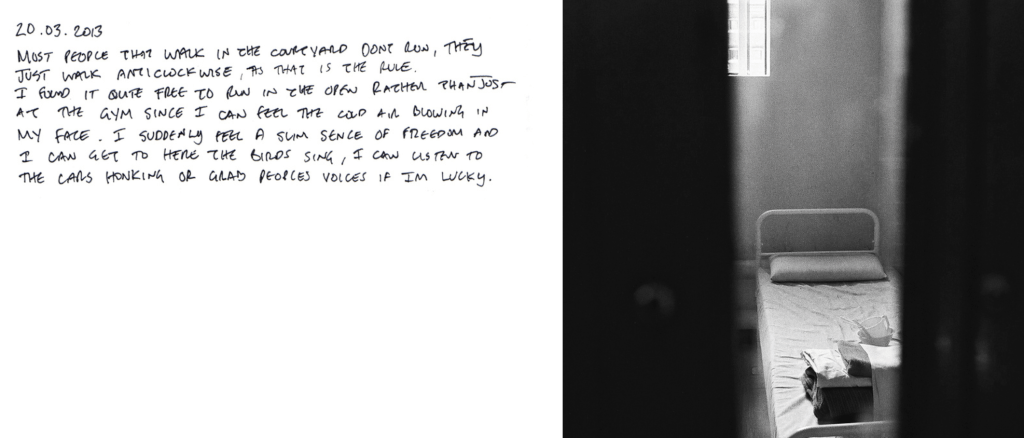
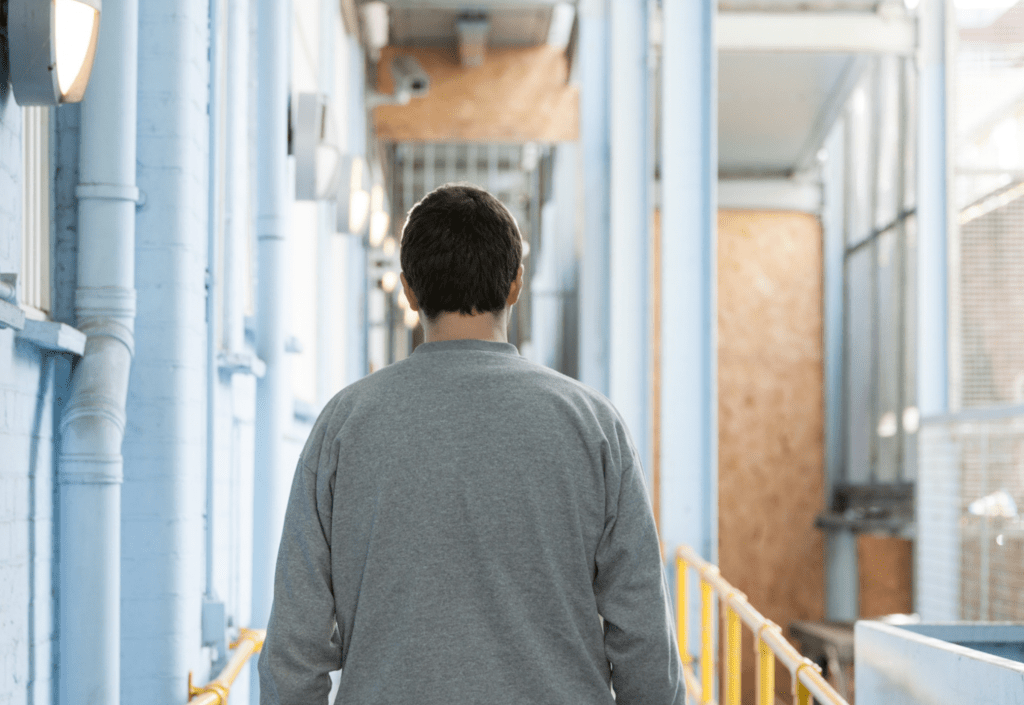
  • Collaborative photo-book with Roxana Allison documenting her brother Chris’ experience in prison. Introduction by writer Pete Brook. He was sentenced for defacing property with graffiti, then again briefly in USA ICE for having an expired visa.
  • Portfolio review from Edmund Clark showed the book needed another element: graffiti. Defacing public property with graffiti was the reason Chris was sent to prison. Adding other more tangible elements other than photography such as Chris’ diary entries and sketches made the photo book less “shallow”.
  • Collaborated with designer Pavement Studio Publisher [Mixam] £1800 to print 100 copies. Fundraised by selling prints and zines, bursaries.

I think I learnt about how to approach and execute a photographic project that is very personal to the artists. I found it interesting how Roxanna Allison presented the series with a strong narrative, which is because of all the planning that went into the photo-book ‘Operation Jurassic’ she co-created, to communicate their experience of the corrupt justice system.

PETE BROOK – WRITER, CURATOR, EDUCATOR

  • Based in San Francisco
  • He educated prisoners in USA and analysed photographs of/within prisons with them
  • Prisoners perspective different from arty people. They value the truthfulness and reliableness of the photo’s content rather than the aesthetics or “deeper meaning”.

“Would the public fix its prisons if it could see them?”

New York Post

BRIAN L FRANK
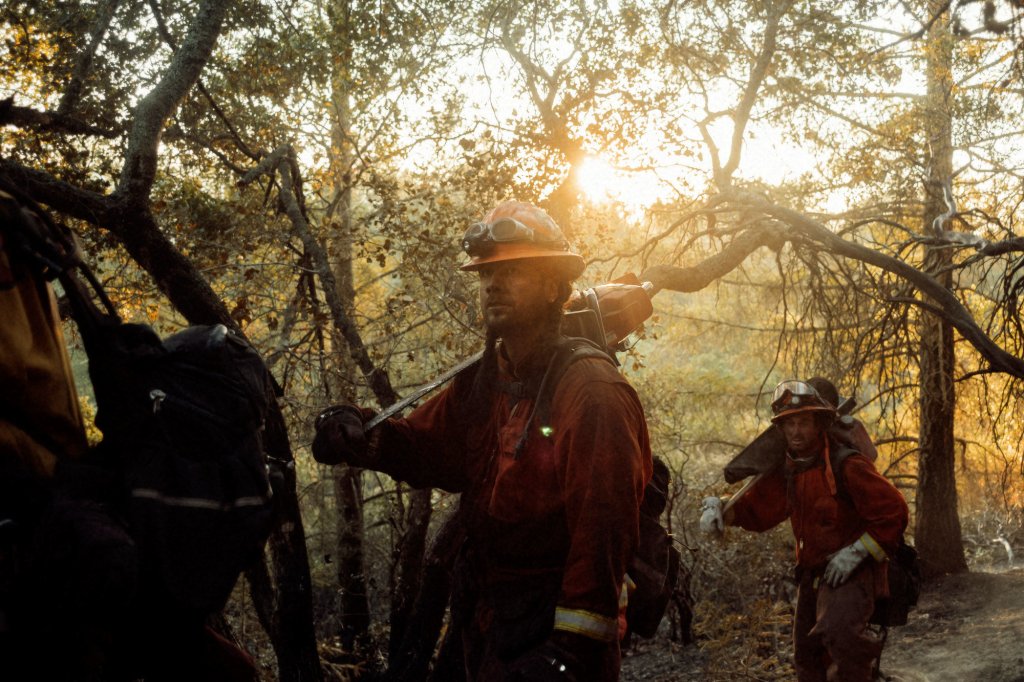
“There are 43 conservation camps in California for adult offenders, and 30 to 40 percent of CAL FIRE’s firefighters are inmates from the camps. The inmates work 24-hour shifts, often sleeping in the wilderness, then get 24 hours of rest before heading back to fight fires. Most inmates in California get a day off their sentence for each day of good behavior. Inmates in the firefighting program get two days off for each day they’re in the conservation camps.”
https://www.themarshallproject.org/2017/10/23/the-california-inmates-fighting-the-wine-country-wildfires

JACOBIA DAHM

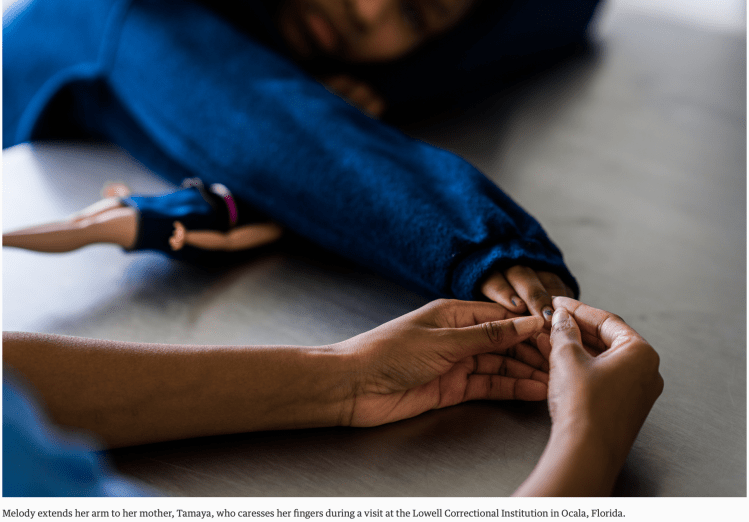
With 2.3 million people in prison, the United States has the largest prison population in the world. An estimated 2.7 million American children have a parent in prison and the toll on families is immense”.

 https://www.jacobiadahm.com/in-transit


RICHARD ROSS
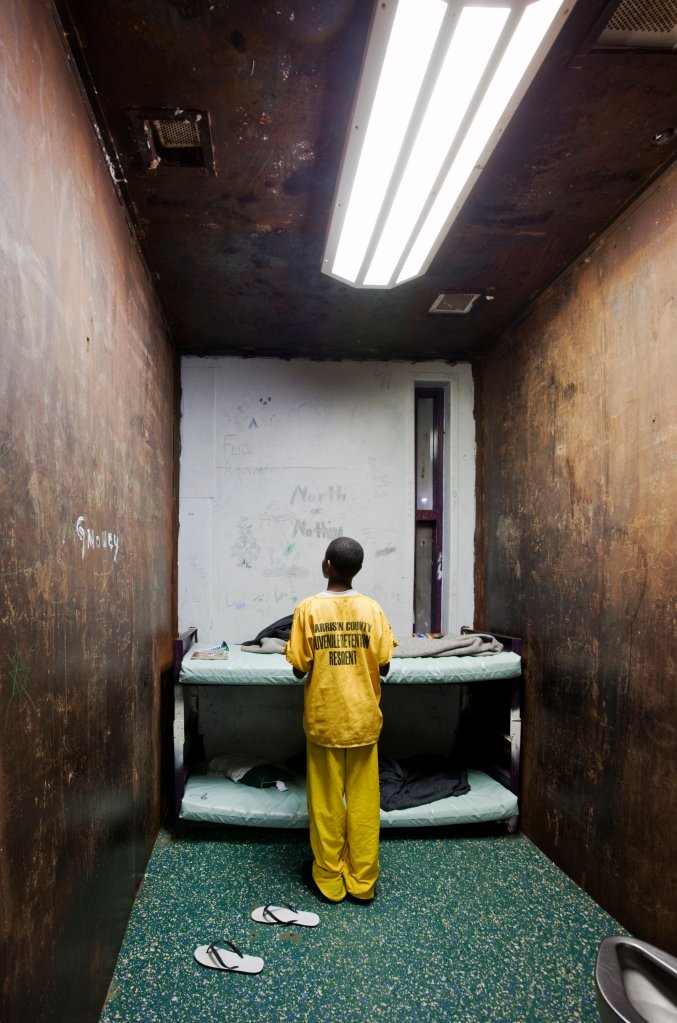
Juvenile-in-justice.com has put the face on juveniles in the justice system. While data is undeniably important, locating the numbers in the context of a real child is critical to creating empathy.
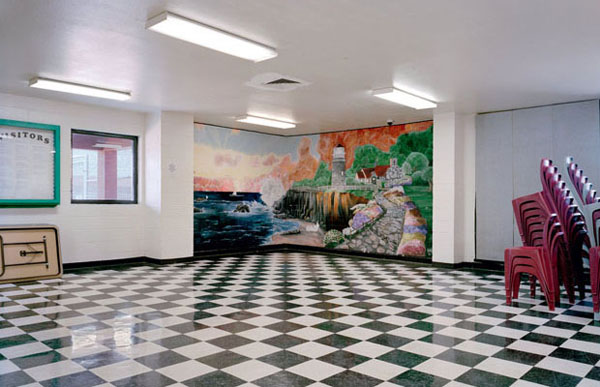
Harrison County Juvenile Detention Center in Biloxi, Mississippi. A fire in 1982 killed 27 inmates. There is currently a lawsuit against them which forced them to reduce their population. They must now maintain an 8:1 inmate to staff ratio.


DEBORAH LUSTER
PRISONER PORTRAITS

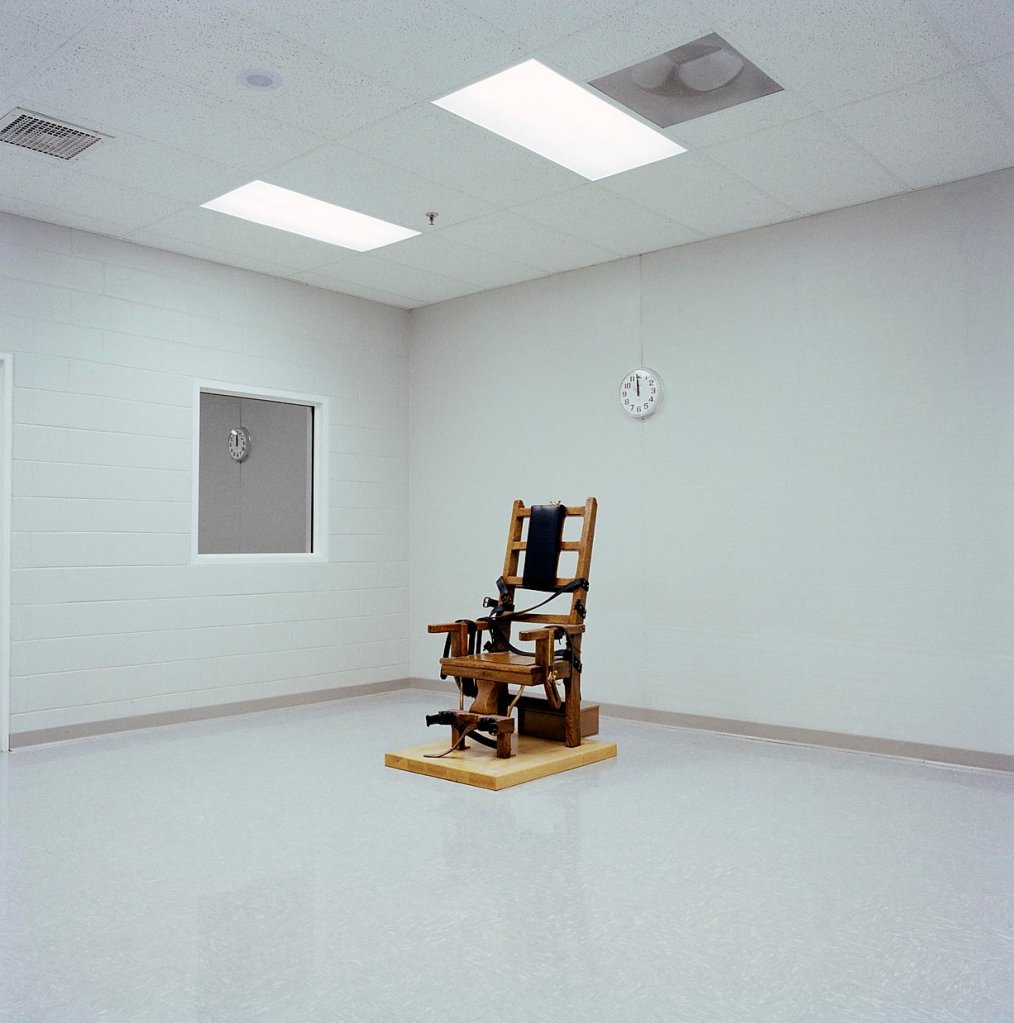
LUCINDA DEVLIN
THE OMEGA SUITES (1990s)
DEATH PENALTY

I found this talk really interesting and insightful to how working with people who aren’t “creative practitioners” to have discussions and make creative work together, and to learn the perspective of others who aren’t in the creative industry. It has inspired me to practice documentary photography more, and to use it effectively to communicate issues/events/people in a way that starts a discussion and perhaps even instigate change. Also to learn about different walks of life, and to collaborate with the people I photograph to produce meaningful work that they would endorse as a representation of them or the message they want to convey.

I would like to attend more talks like this because it introduces me to new ideas and how artists approach issues/briefs differently. It would also be a good way to network within the creative industry and to build my confidence when meeting new people and getting involved in topical conversations and observations.

DOUGIE WALLACE – PHOTOGRAPHER

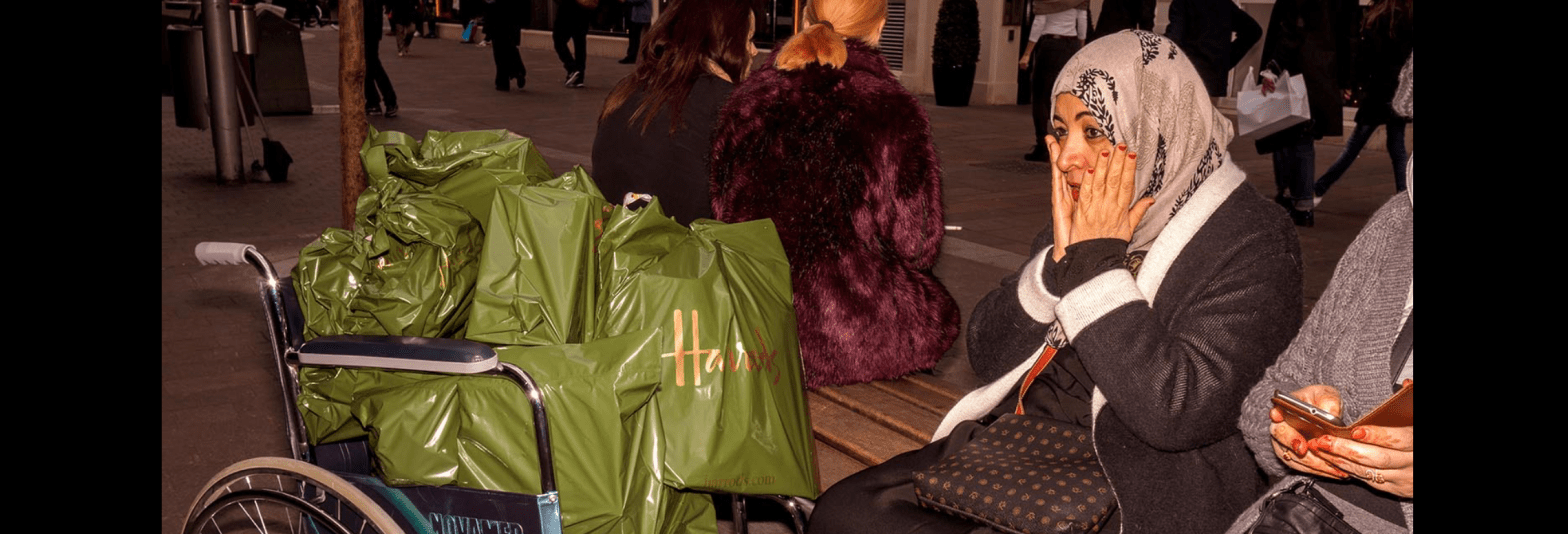
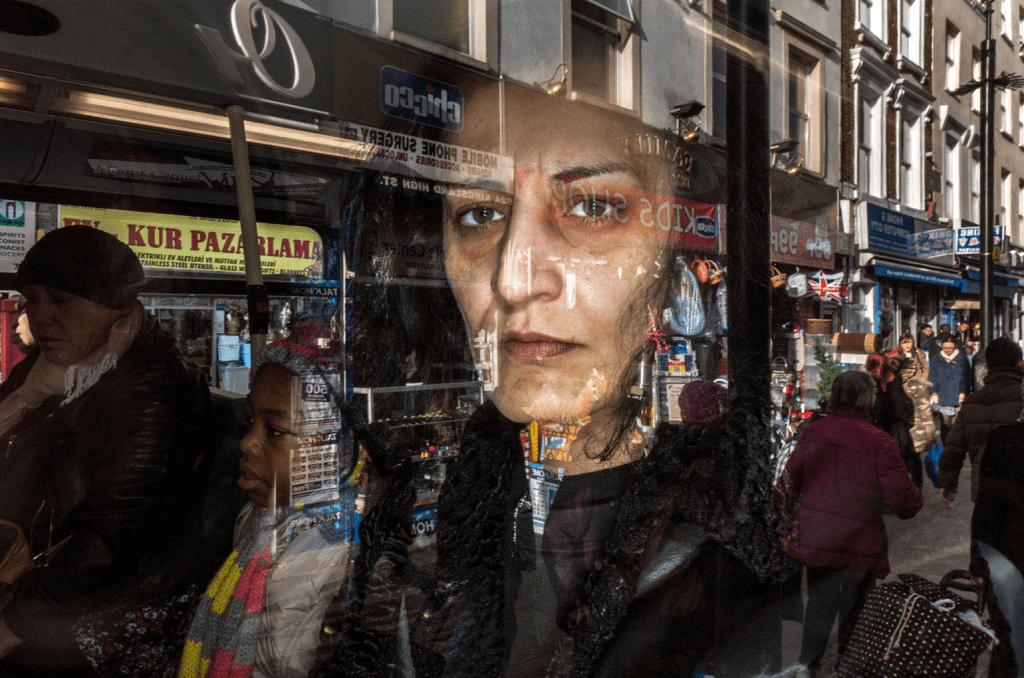
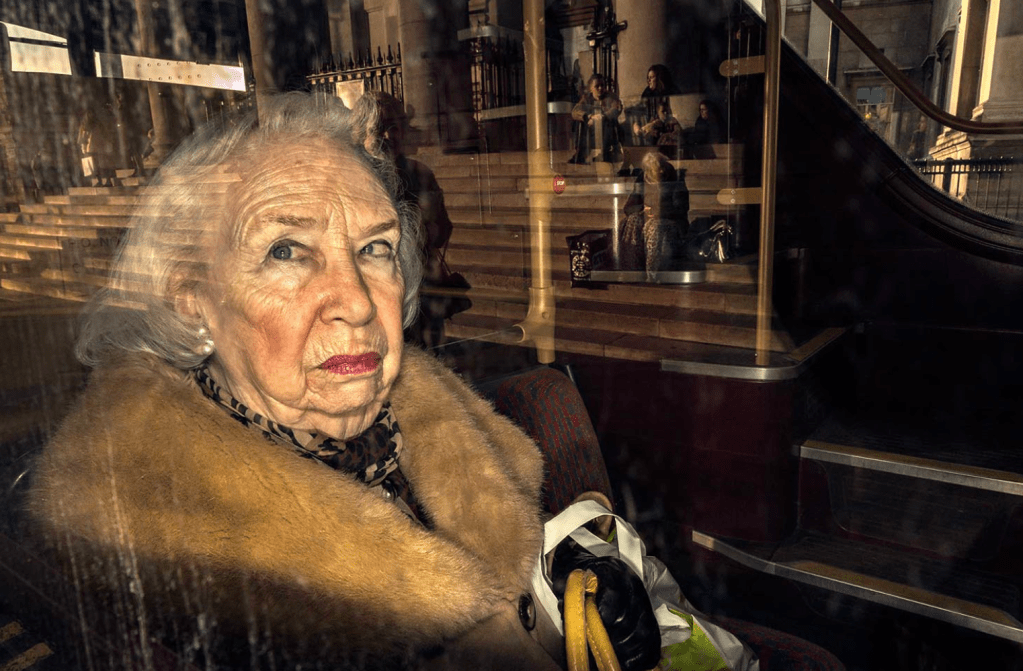
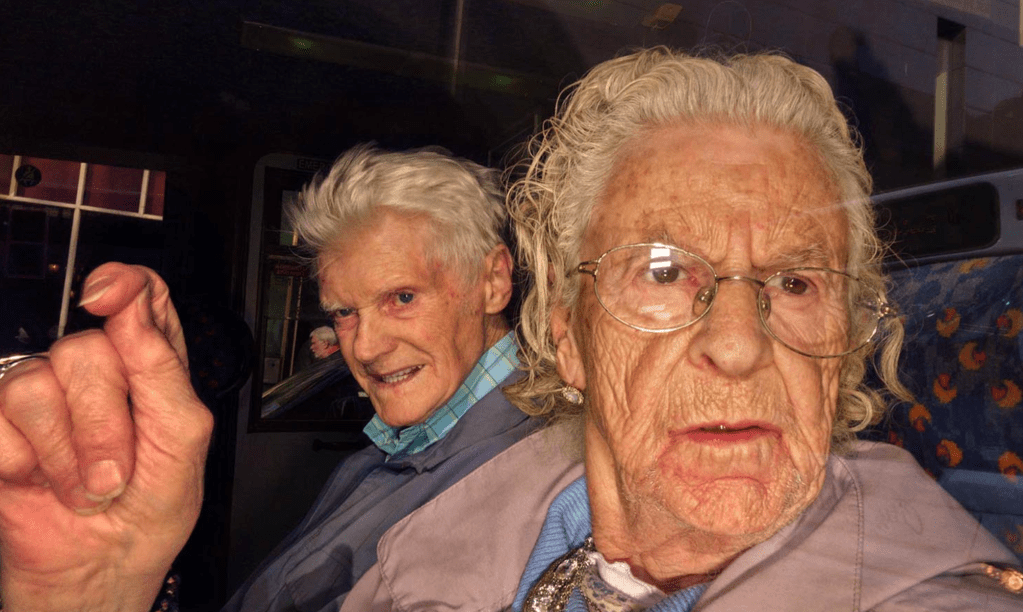
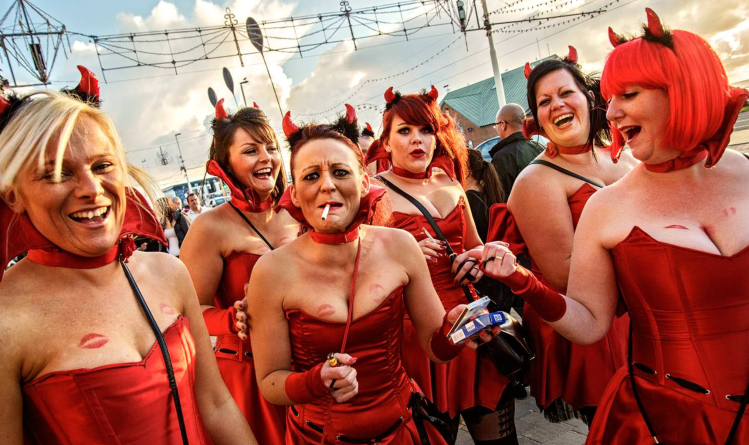
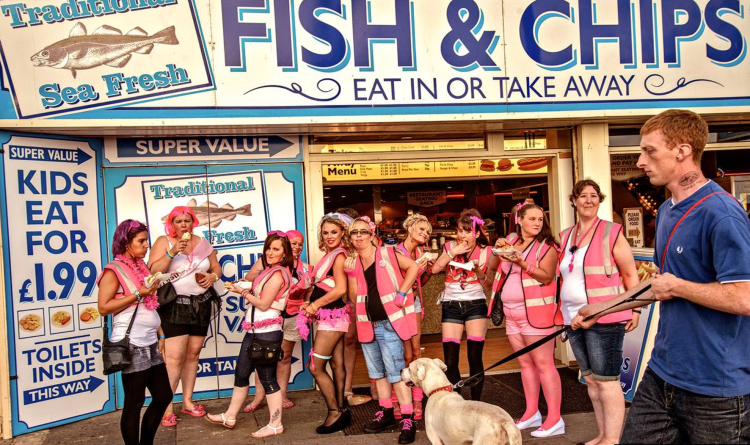
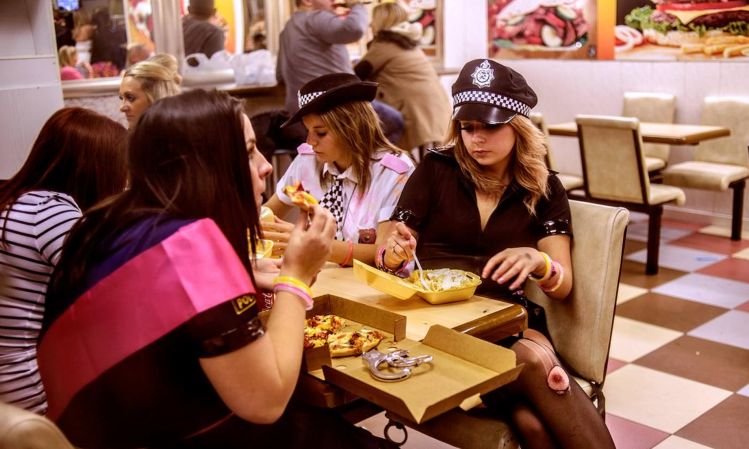
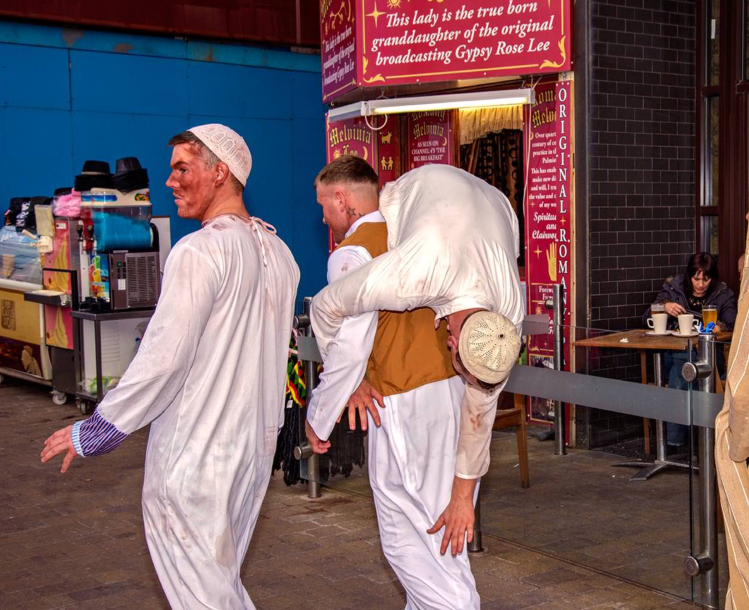
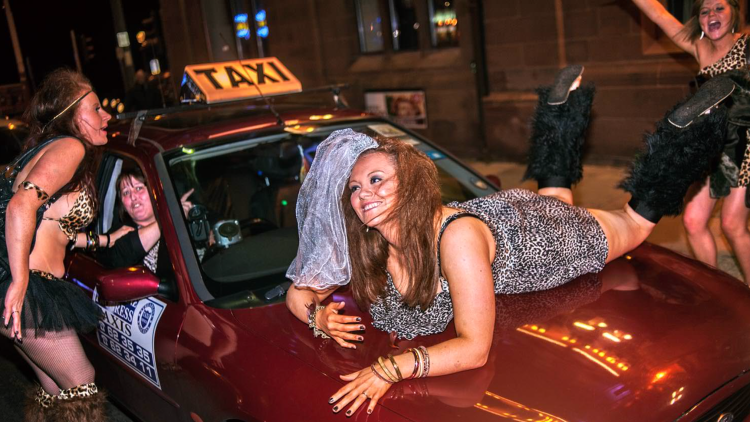
I find Dougie Wallace’s approach and visual style of street photographer really interesting and inspiring. His subject matter is very honest and reminicent of real life, he photographs the more abrasive parts of society. His use of bright flash leaves no where to hide and brings out intense detail, very different to the aesthetic anonymity of most mainstream street photography. Using a wide lens to take photos up close makes the viewer feel as if they are in the image.

I found the photographs from his series THE AGE OF WEALTH inspiring because I enjoy shooting photos in the street but can be daunting sometimes to photograph complete strangers candidly. Shooting through windows is a way to add a bit of a barrier, which is an exercise I could use to build confidence photographing strangers.

http://www.dougiewallace.com/blackpool

PERMISSIONS: It is legal to use photographs for art (exhibited, published, etc) but NOT advertising. Be careful captioning photographs – don’t say too much about people in frame to avoid being accused of things like deformation of character. But anything observable on the street/in a public place is publishable.

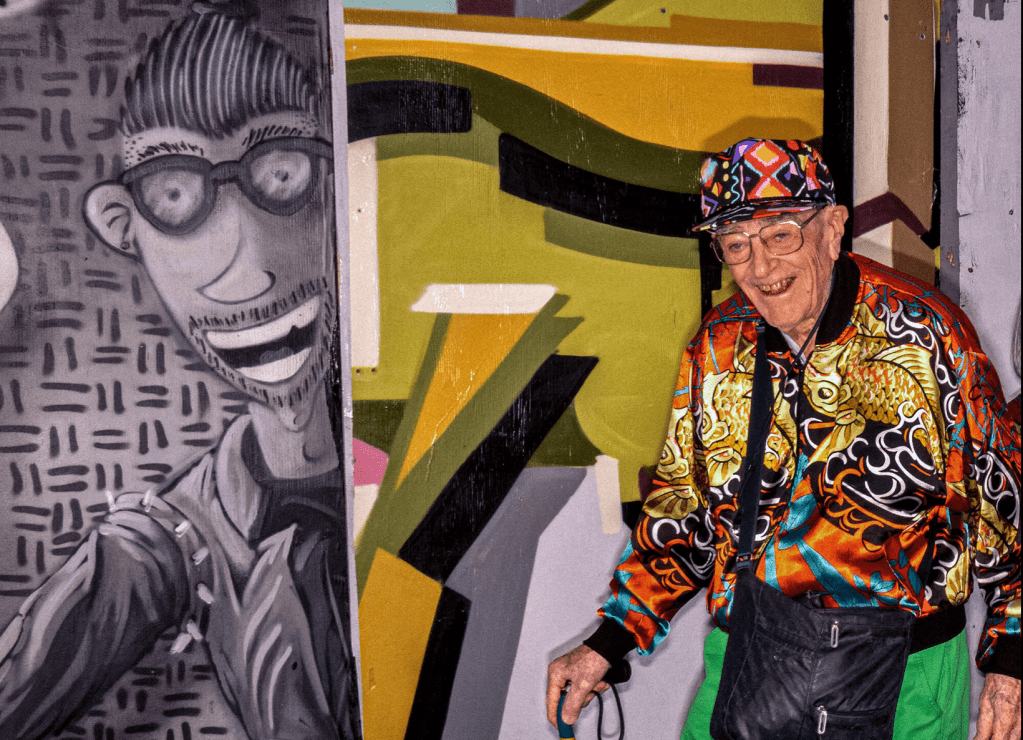
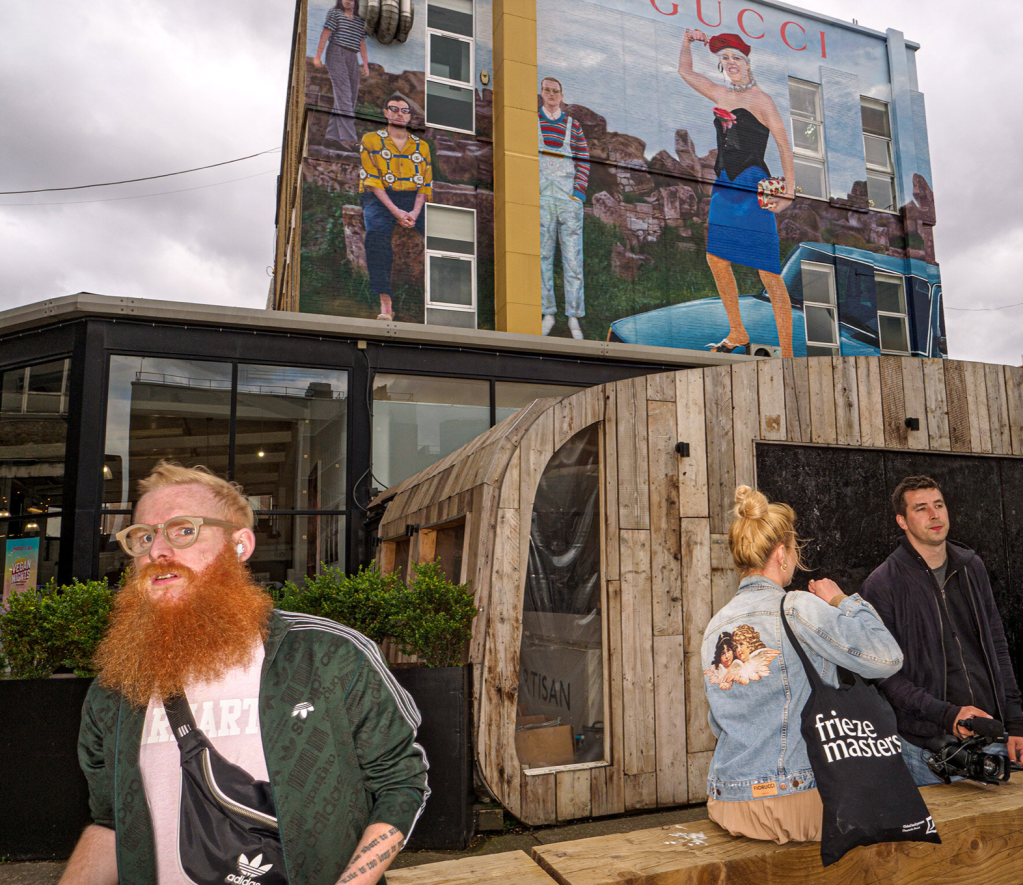
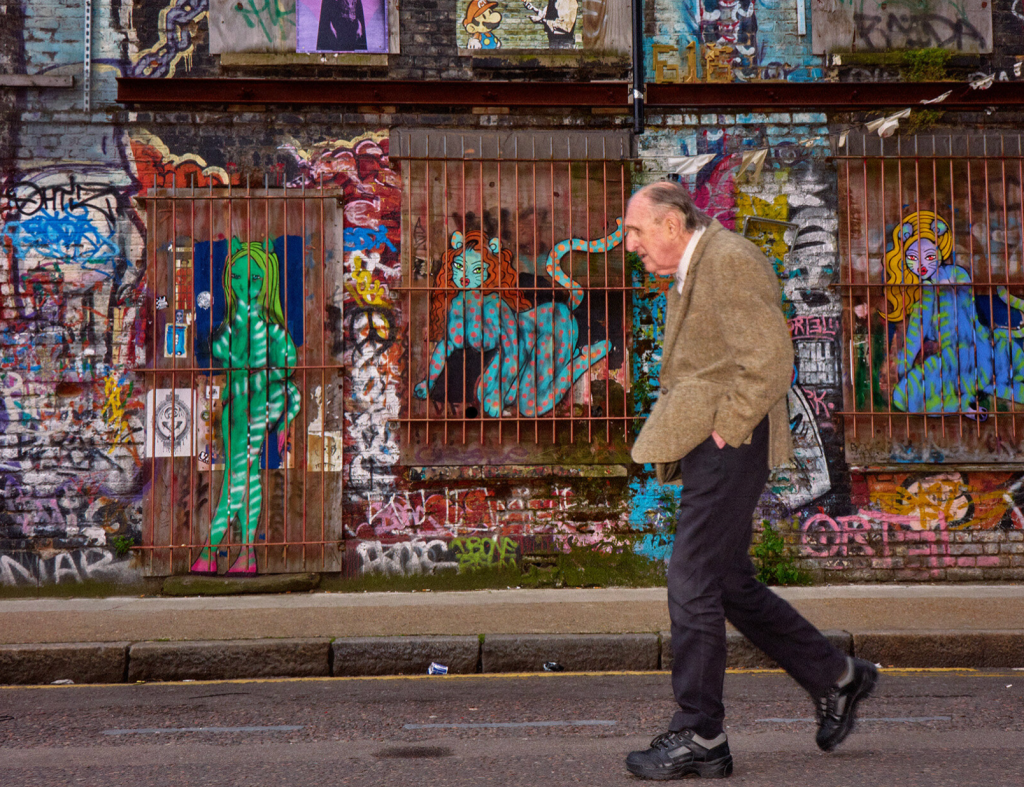
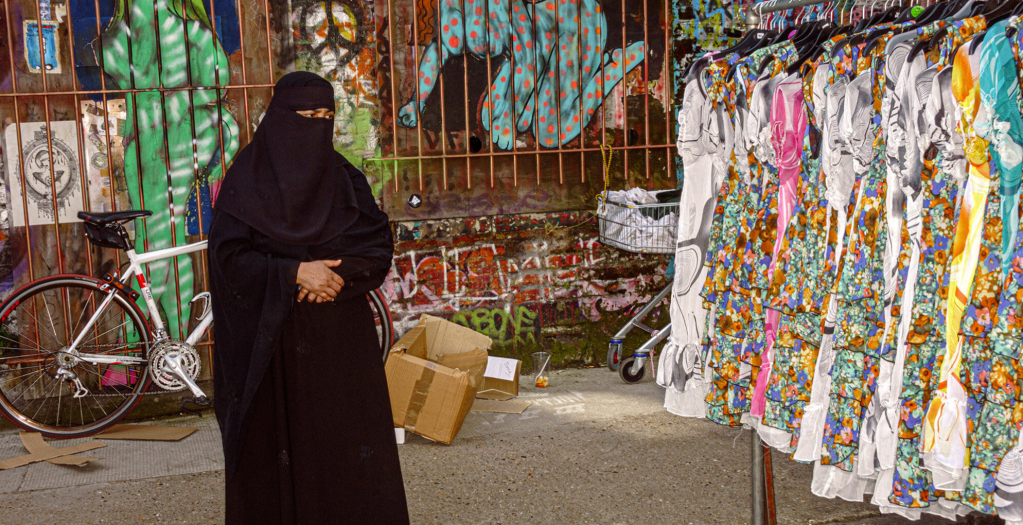
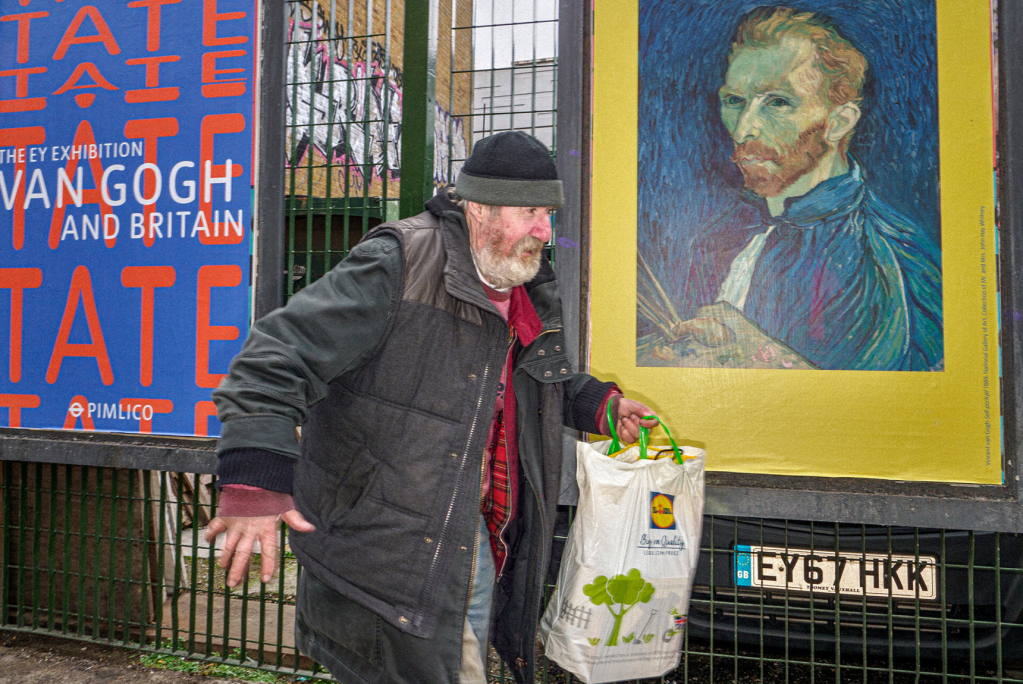
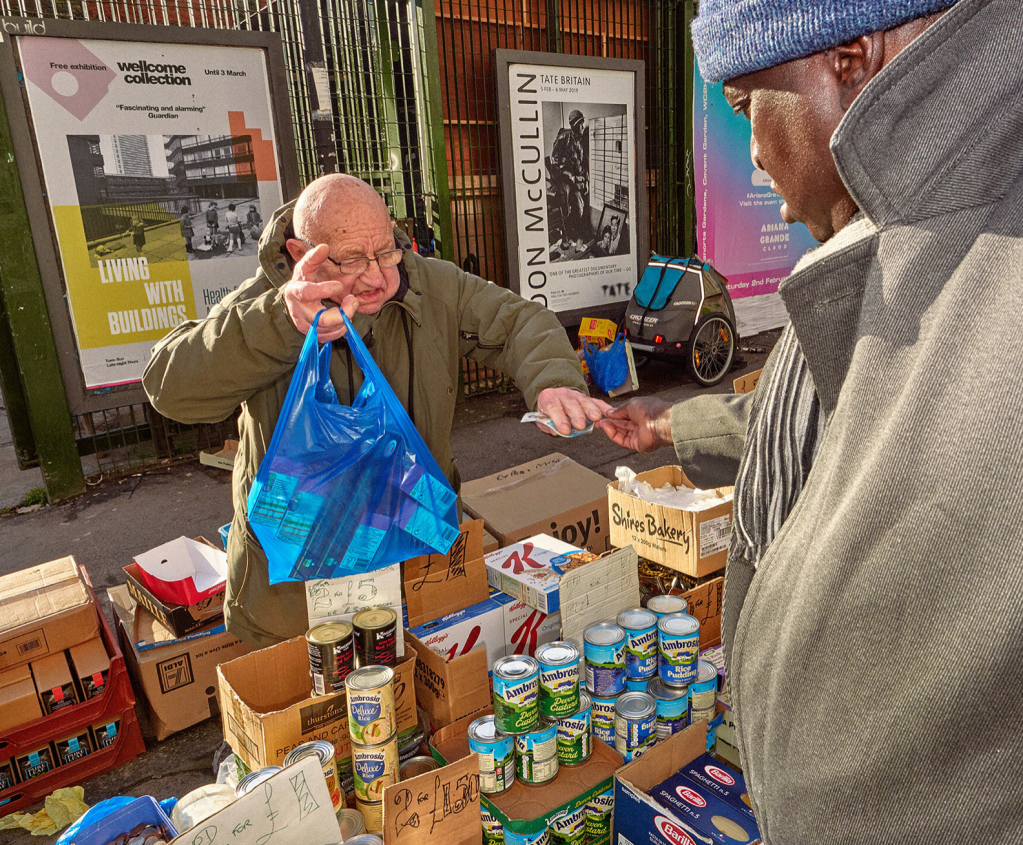
Wallace’s series EAST ENDED is about the contrast of high end adverts, gentrified street art and edgy wannabes, and the local working and lower class in East End London. This inspired me because it reminded me of my own local town of Morecambe which is in the process of being gentrification (high end street art, growing presence of bigger companies) but it still housed to the local working and lower class people. It would be challenging for me to do a similar project on Morecambe but I think the photographs have the potential to be really good and shed light on how gentrification affects local people.

Design a site like this with WordPress.com
Get started