‘THIS WAY FOR FUN!’ JAMES BROOK

In VILLAGE BOOKS gallery space [07/02/2020]

I found this exhibition interesting and well-suited to the small gallery space above Village Books: it felt like a mini observation room where you could look through stills from security cameras. With the sofa and projector, it felt like a hideaway used to spy on ordinary scenes. It was a fun little exhibition that felt interactive just by looking at the images.

James Brook has done very well to approach an “overdone” project on idyllic but ordinary American scenes, in a new, different way that is also reflective of modern life.

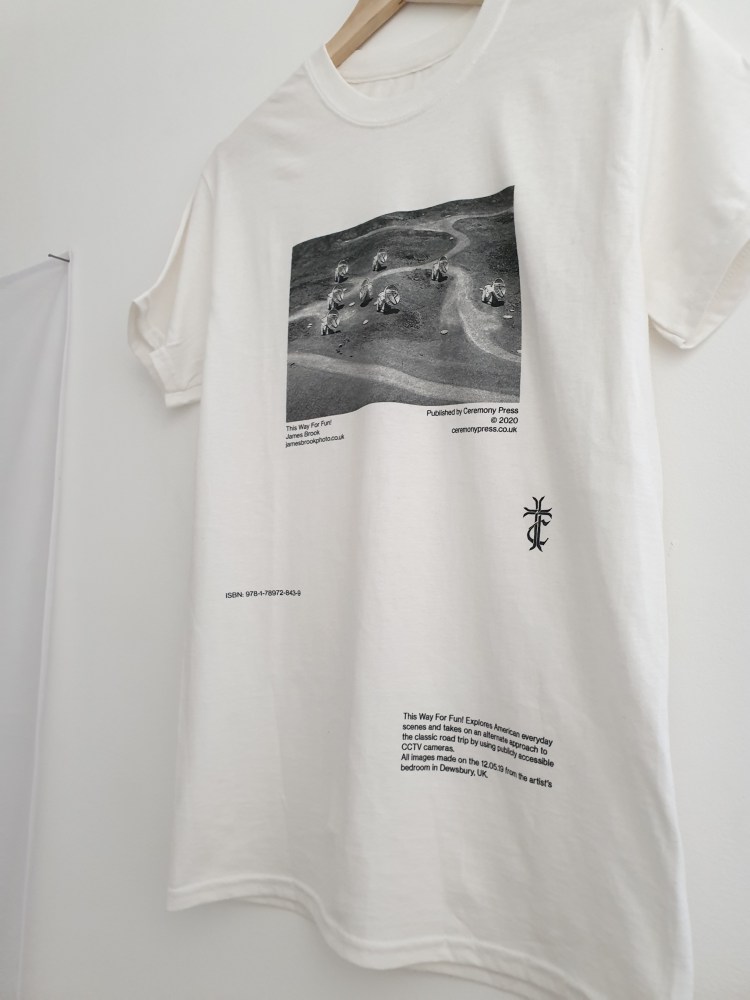
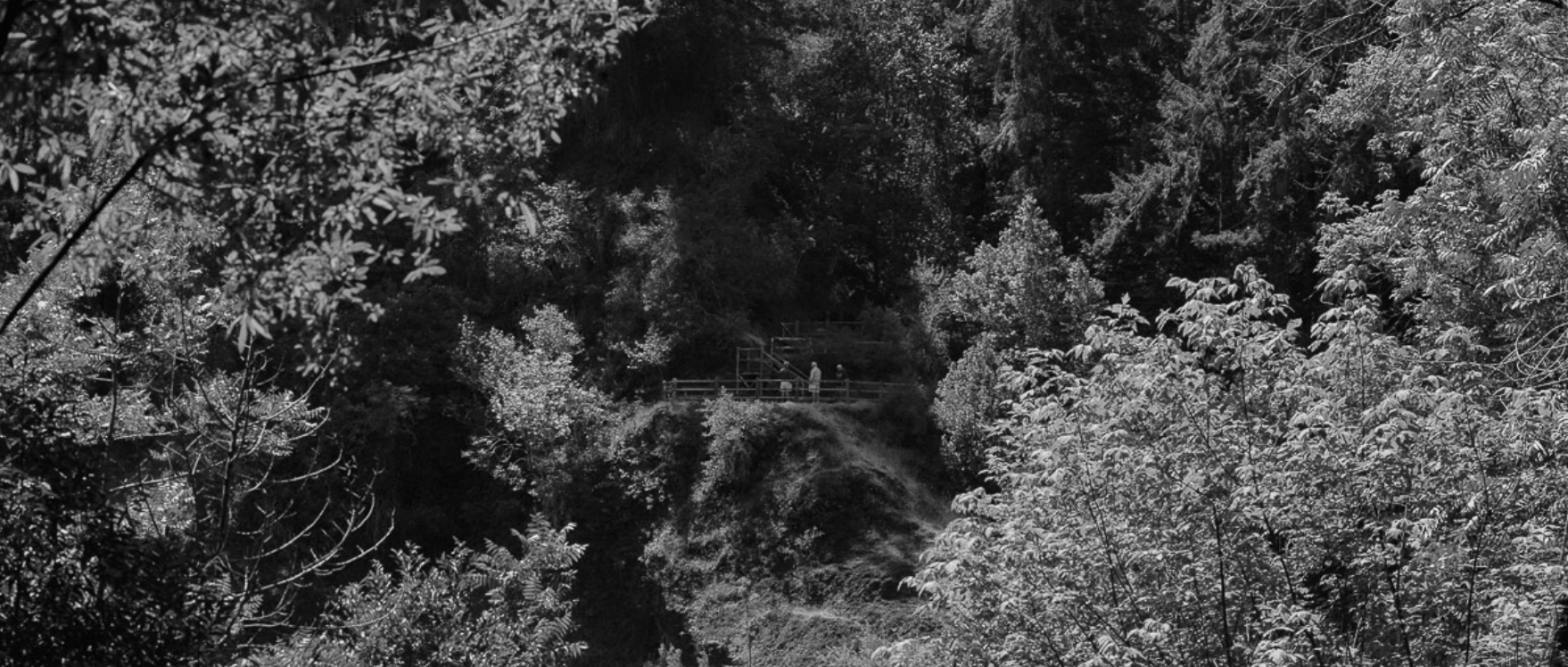
The American road trip has an important place within the history of photography as David Campany outlines in his book ‘The Open Road: Photography and the American Road Trip’ (Aperture, New York. 2014). The many journeys of photographers traveling America and experiencing life on the road has resulted in iconic bodies of work that have contributed to our visual awareness of ‘American Surfaces’ (as Stephen Shore’s book title clearly articulates). In the series ‘This Way For Fun!’ we are presented with a different perspective and unusual view of some familiar American scenes. Brook’s online American road trip through open access CCTV cameras offers a different insight.

Whilst the images themselves are intriguing, this series also manages to capture something outside of the frame. ‘This Way For Fun!’ is able to represent the state of mind of a nation. The security conscious individuals who set up cameras to keep watch over banal scenes manage to communicate their fear, paranoia and insecurities to the viewer. This series also outlines the many opportunities for voyeurism with new technology. Photography has often been described as a ‘window on the world’, maybe ‘cameras of the world’ would be appropriate to describe the sheer scale of cameras available that Brook was able to utilise, unbeknown to the individuals who installed them.

by Adrian Davies
jamesbrookphoto.co.uk

LEEDS ART GALLERY

[07 Feb 2020]

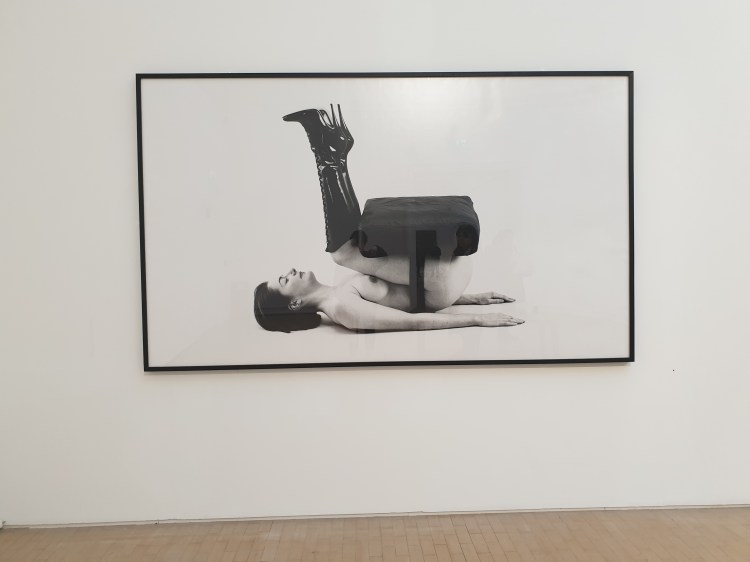
JEMIMA STEHLI ‘CHAIR’ (1997-8)

What immediately drew me to this photograph was its large size; I was fascinated by the high quality of detail kept in an image blown up so large. This got me wondering if it was shot on large format film and exposed onto a huge piece of light-sensitive photographic paper. Even if it was shot digitally, this has got me interested in shooting and printing in large format in future projects. I think Stehli was brave to use herself as a model then print the image to almost life-size, and it works well to communicate reclaiming her own female image.
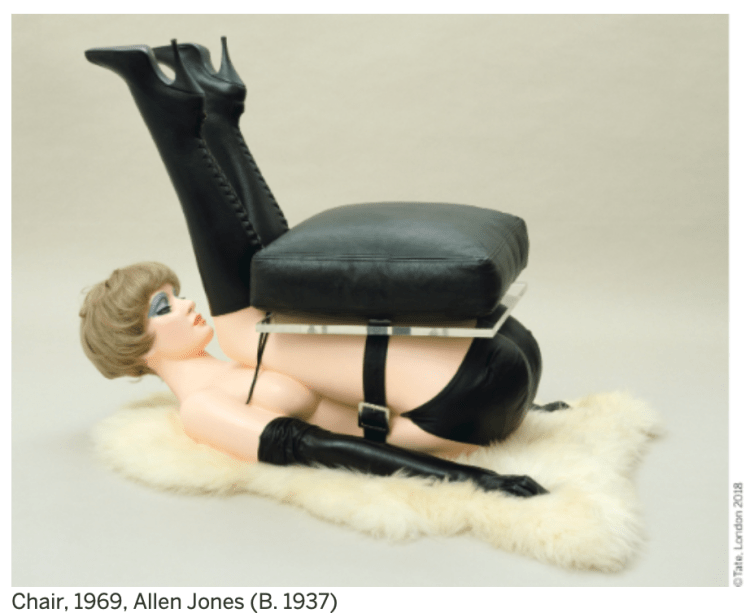
Upon research I found this photograph was a response to Allen Jones’ controvesial sculpture ‘Chair’, which caused outrage in feminist groups, and was protested against for objectifying women and fetishising the female body. I think by recreating the sculpture using herself with no makeup, in black and white, strips away the problematic “male gaze” aspect of the original piece. She has recreated it with a natural looking woman, stretch marks visible, to celebrate and exhibit the female form on her own terms.


TIM HEAD ‘GRAVITATION’ (1979), ‘LEVITY II’ (1978)

Tim Head’s photographs were very experimental for the time; exploring optical illusions and playful perspectives of simple objects. I found it inspiring how Head managed to take regular everyday objects and play with composition and angles to make interesting and confusing images. Especially ‘Levity II’ which made me feel dizzy looking at it; once looking at the photograph upside down (or the right way up) my eyes could make sense of it.


HAYLEY NEWMAN ‘STEALTH’ (1996-8)

I find this photograph visually stunning. The contrast of the pale, naked figure and pitch black background completely isolates the subject. I really admire the lighting used to completely freeze this leaping motion, which looks strong and bright, but the figure’s movement still appears soft and silent. I find this photograph captivating because it is showing the female form performing in a dynamic way that I haven’t seen in art pieces before.

However I do struggle to comprehend the concept by going solely off this photograph. Newman’s photograph is intended as an exploration of the documentation of performance art. I understand what it is exploring, but I don’t understand how it questions the nature of performance art. Perhaps it is a take on the visual genres most associated with the documentation of performance art? This would explain the theatrical photography vibe I get from the aesthetic of ‘Stealth’.


SARA BARKER ‘ALL CLOCKS ARE CLOUDS, ALL CLOUDS ARE CLOCKS’ (2020)

I found Sara Barker’s mix of materials used in her pieces interesting, I liked the 3D layers to her pieces, and how dreamlike they appeared. It was her intention to explore spaces within our minds, memories and literature (spaces that can’t be touched), using the contrasting materials of rigid metal work and flowing paint texture. Looking at her work got me wondering how it would look to add a photographic element to her pieces, or, how to justify adding paint or sculptural layers to my own photographic work.

HENRY MOORE INSTITUTE

[07/02/2020]

EDWARD ALLINGTON: THINGS UNSAID

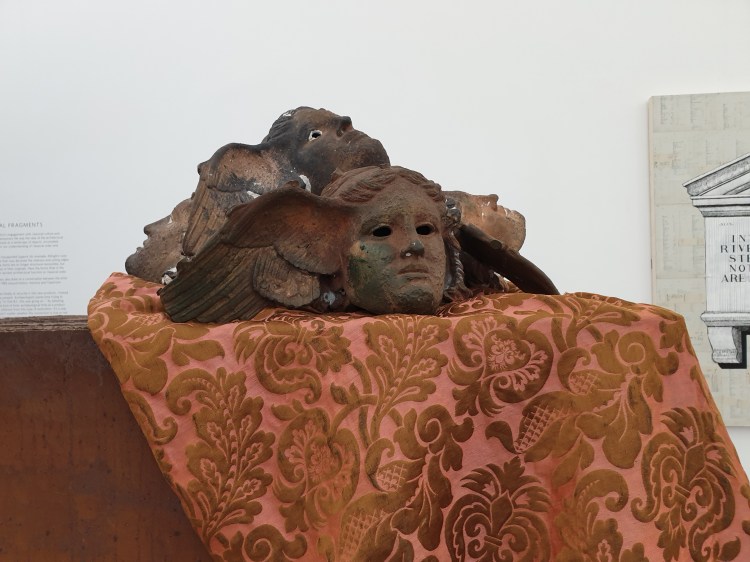
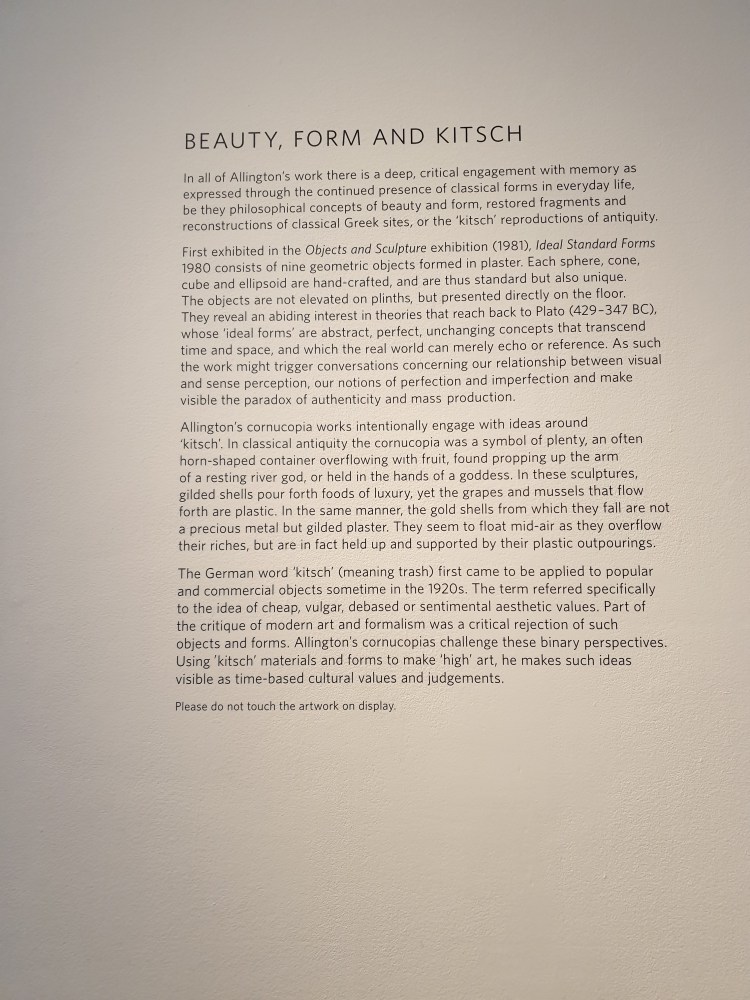
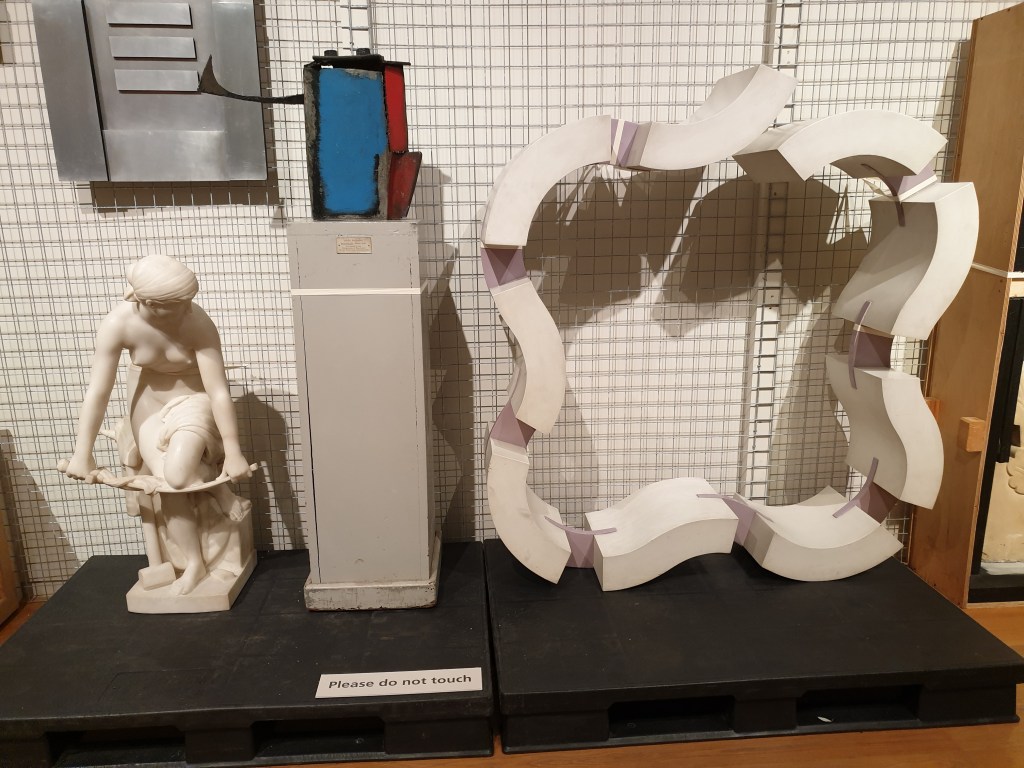
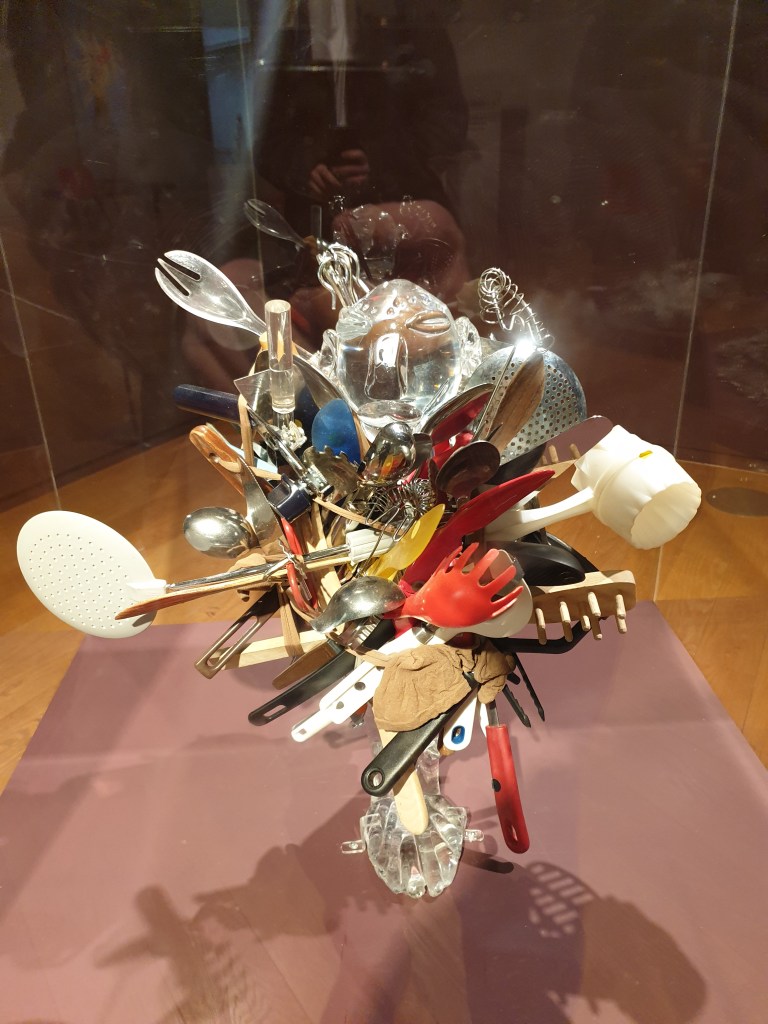
I have never really understood sculpture, however I can appreciate it and I like to take photographs of sculptures and architecture . I really liked Allington’s cornucopias, they’re very playful and indicative of Ancient Greek myth and the bountifulness associated with Ancient Greece. Putting the sculptures directly on the floor is much more inviting to look closer, instead of being hailed on a plinth, forcing us to look up instead of on an even ground.

VILLAGE BOOKS

[07/02/2020]

PHOTOBOOKS & MAGAZINES

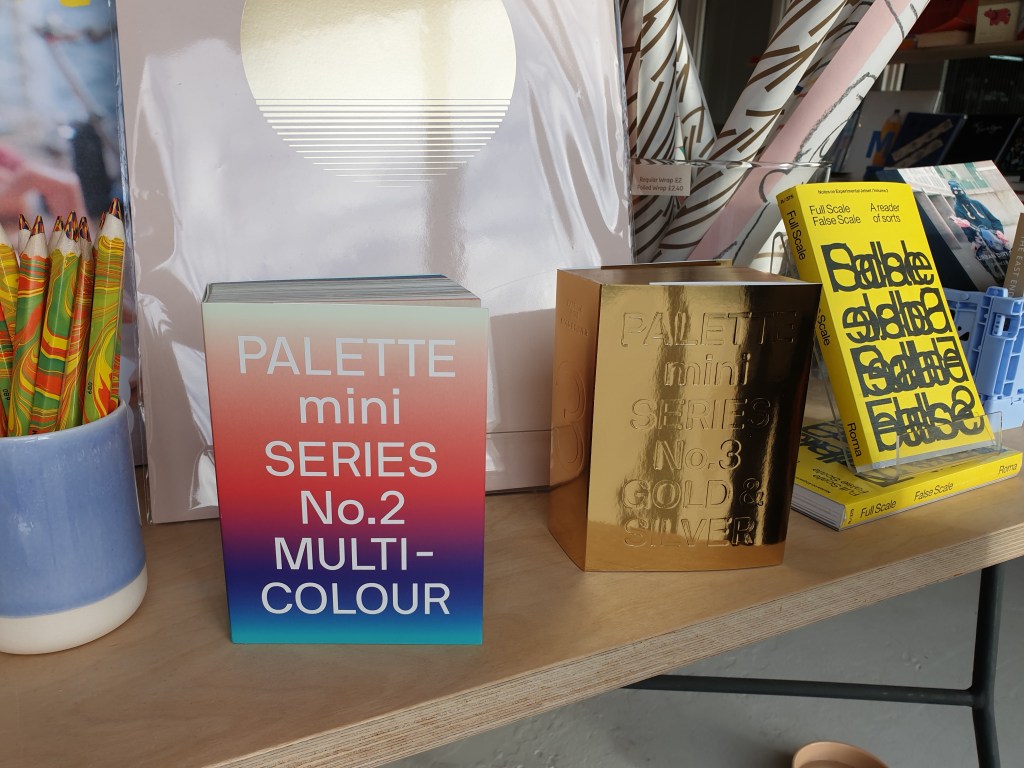
The PALETTE mini SERIES books are fantastic for visual and conceptual inspiration; small size but with hundreds of pages of timeless conceptual images categorised by colour style. I like the shiny reflective gold cover of PALETTE mini SERIES ‘No.3 GOLD & SILVER’ with the title etched into the cover, it really stands out against all the other books.

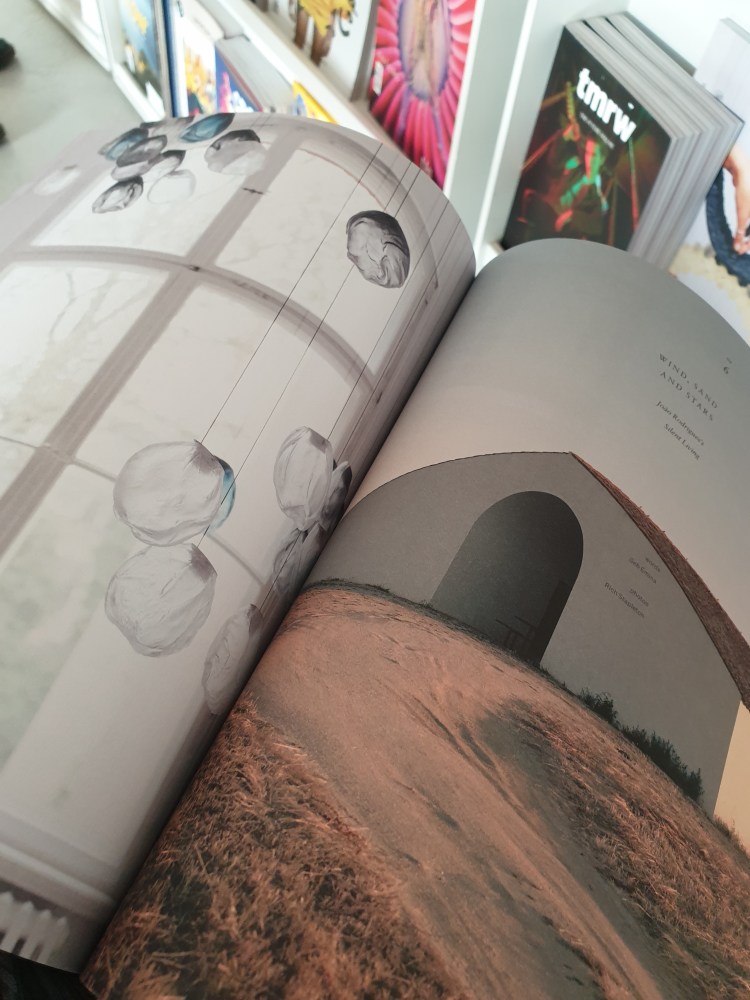
I’m a big fan of Luke Stephenson’s ‘THE ENGLISH ROSE’ series, his photographs are a beautiful, bold yet simple representation of the iconic English rose. The purpose of this series is to celebrate the beauty and diversity of English roses, therefore the images are almost purely driven by an appealing visual aesthetic; only showing roses in their prime without imperfections. The high level of detail just makes you want to study these stunning images for hours.

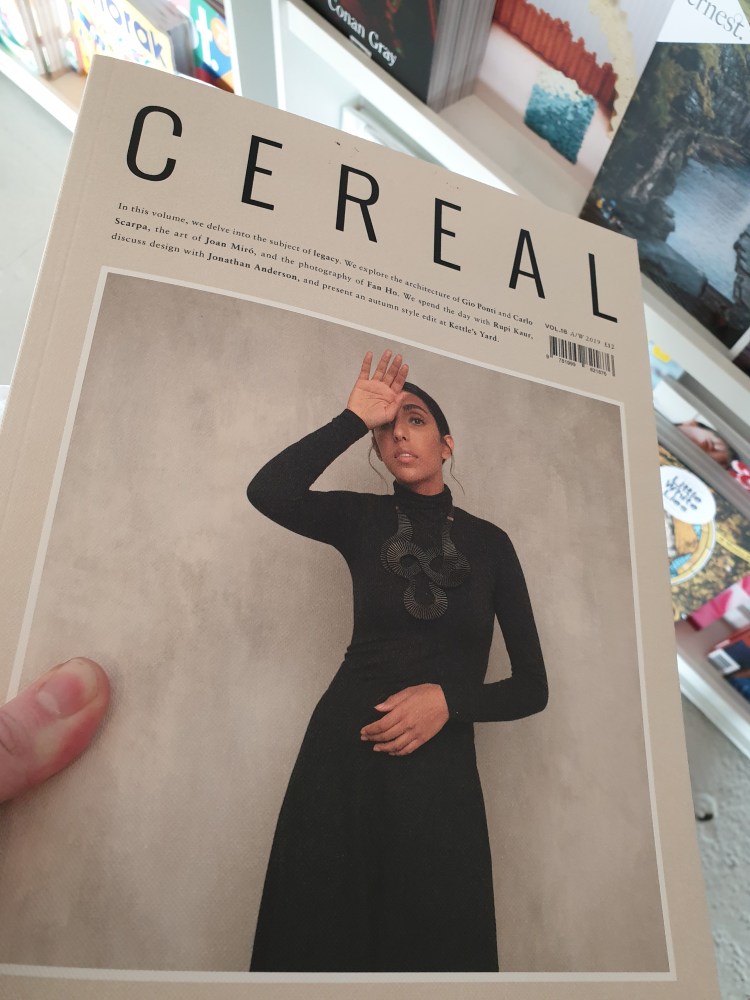
I really liked the paper texture of the photo book ‘CEREAL’ the volume looking at the theme of “legacy”, showcasing several creatives work. The matte paper was thick but malleable. It kept a strong aesthetic vibe and colour palette, and I liked that it was mostly visual, the images filled the pages without a border, with text small and sparse.

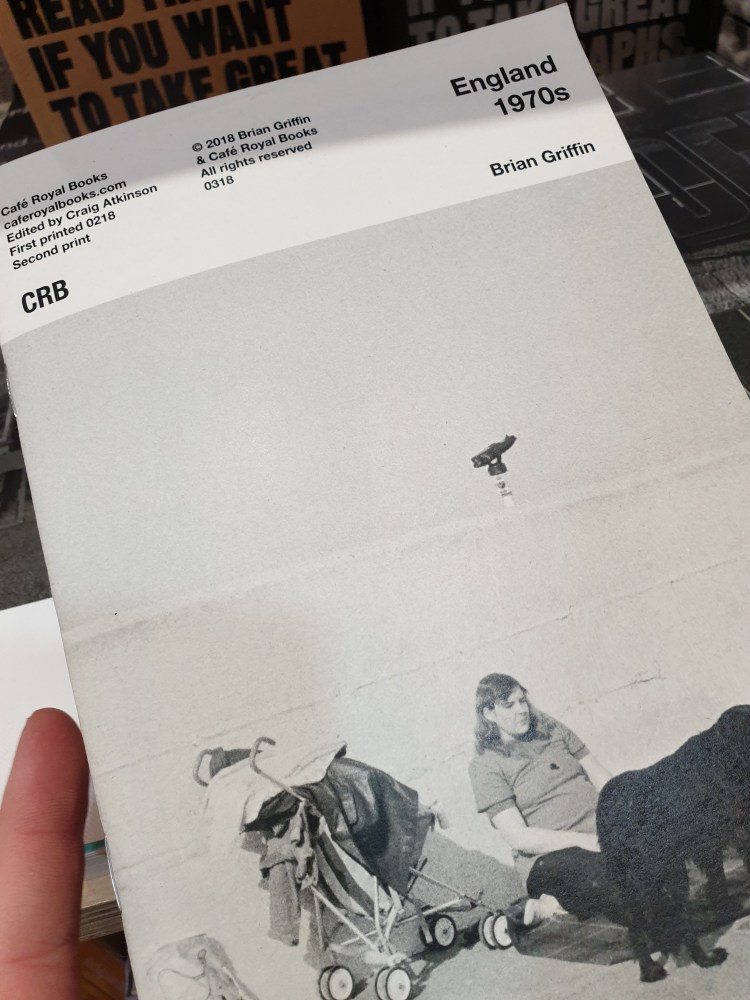
What drew me to ‘England 1970s’ by Brian Griffin was the simplicity of the typeface and that when open the front cover and back cover is a whole complete photograph. I think having the title, photographer, publisher and other info plainly laid out on the front cover is really well suited to the style of photography within the photo book (street & documentary). It is all about the content of the photographs themselves, and the style of the book as a whole reflects the 1970s.

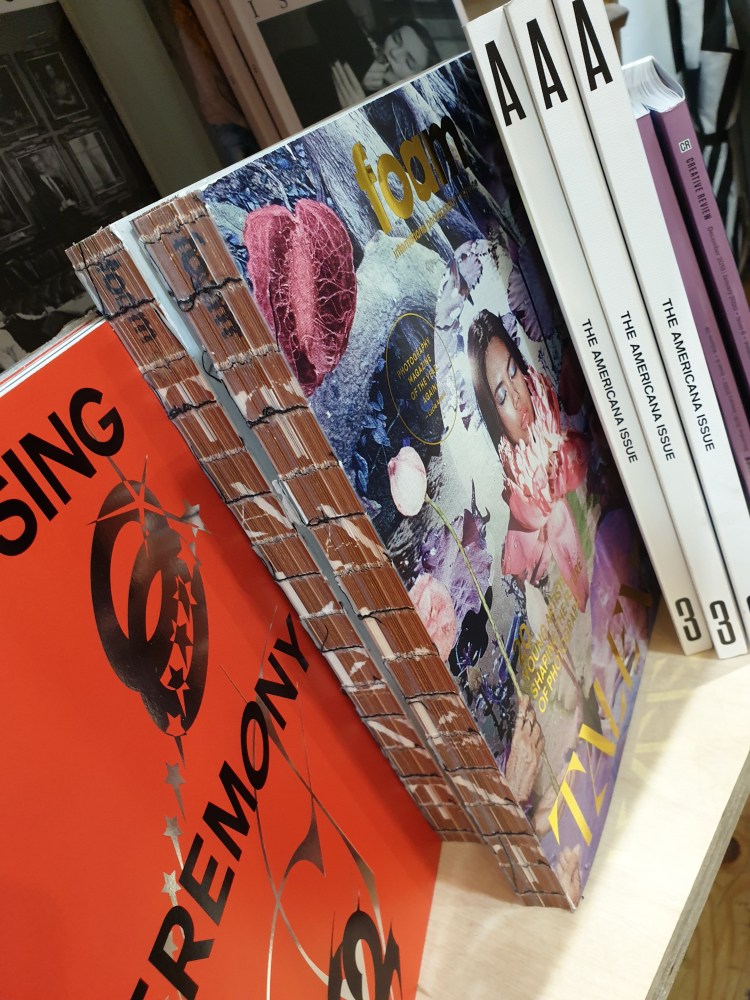
I love the exposed binding of the ‘TALENT’ edition of FOAM MAGAZINE. The frayed and pieced together appearance reflects the textures and aesthetic of the photographs featured, especially the front cover image. I think this type of binding is very individualistic and I haven’t seen a book bound like that before. I like that you can see the sewn binding inside the fold of the pages too, adding to the homemade appearance which makes it feel more “special” and less associated with mass-produced magazines.

DAN HARLAND @ CAFÉ 164

  • 2015-2018: BA (hons) Fine Art, Leeds Arts University.

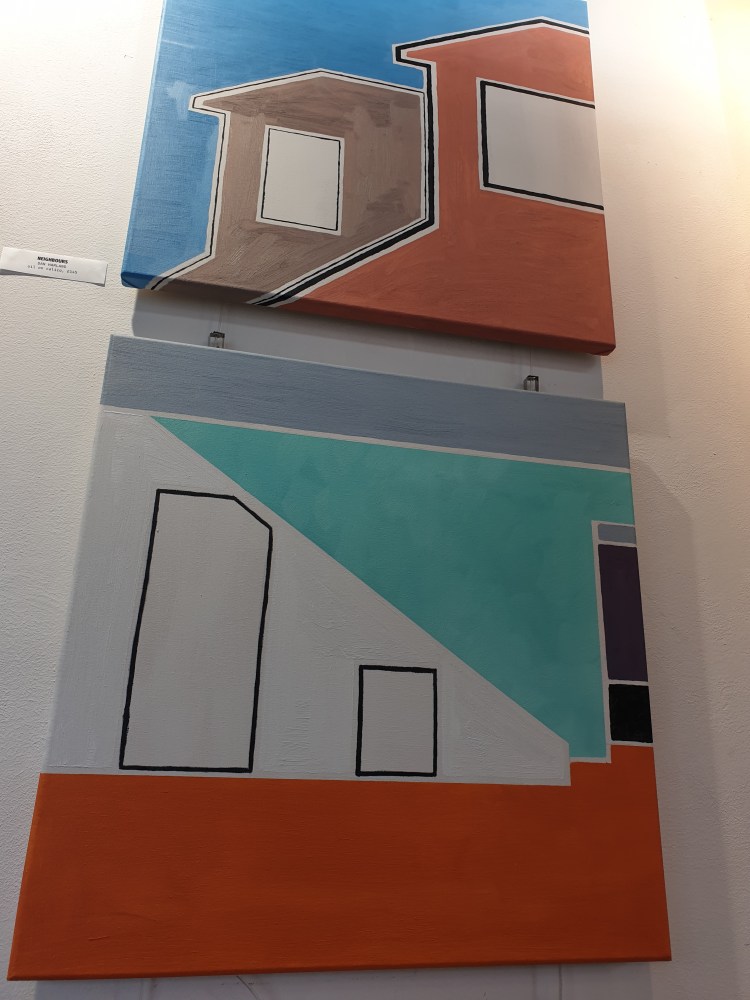
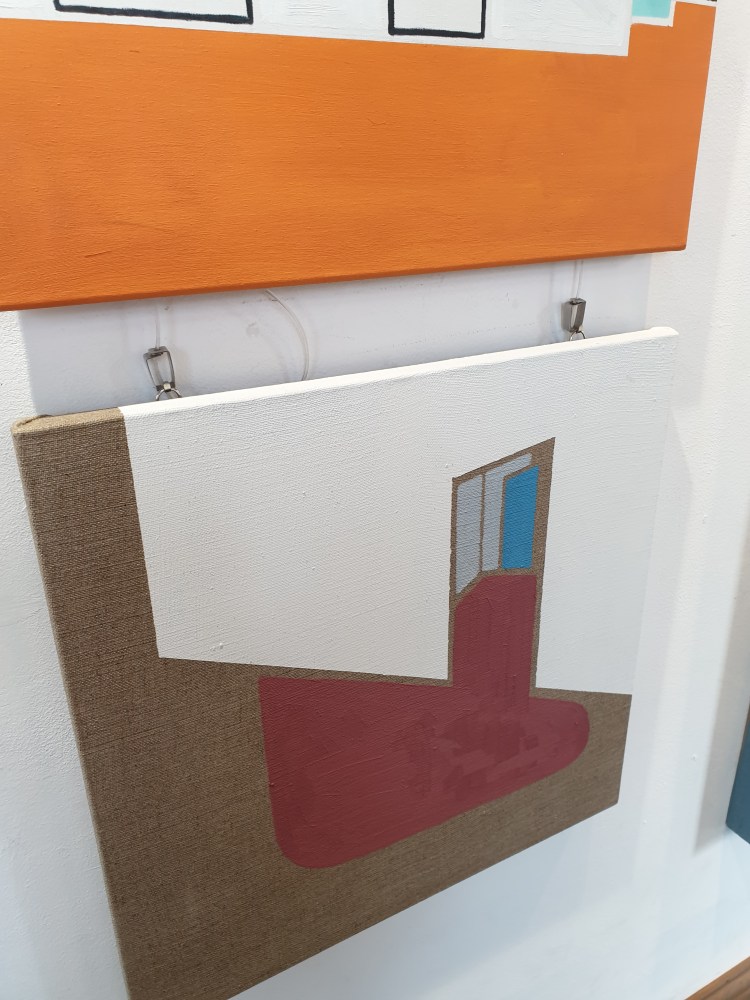
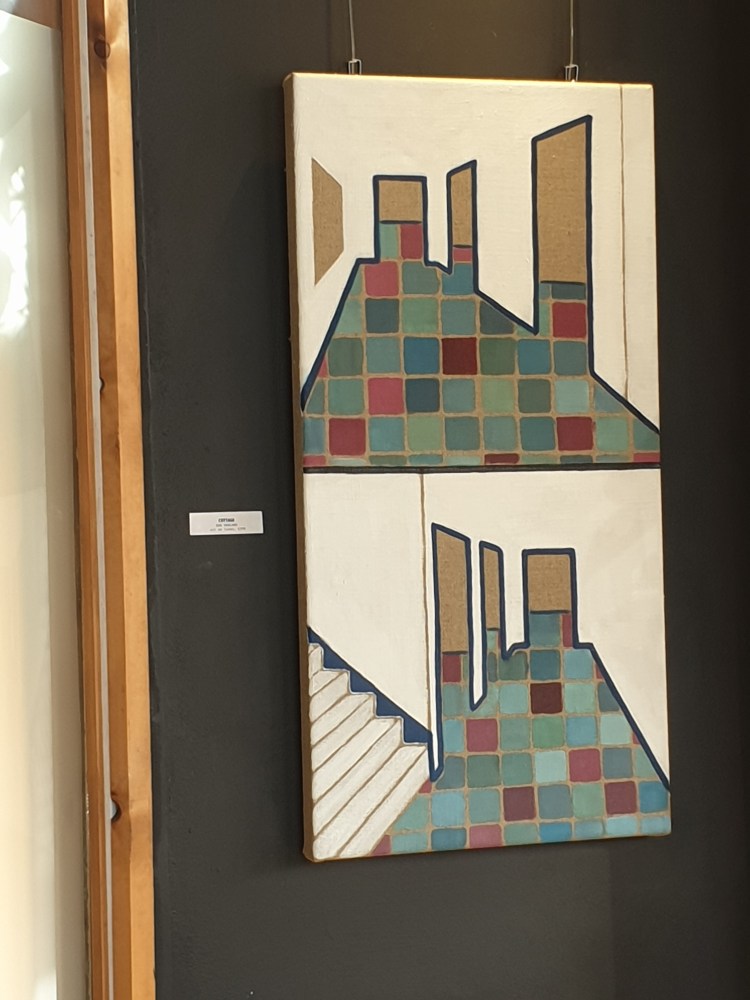
I like Harland’s use of bold colours and strong lines, he has a very strong visual aesthetic, which I believe is used well when painting indoor and outdoor architectural spaces. I find a familiarity of this in my own approach to photographing architecture-centred scenes; keeping the composition simple and straightforward, using the lines and shapes within the frame to your advantage.

This work is very appealing to both artists and those that aren’t art analysts and just appreciate a nice picture, making it very sellable as it isn’t confusing or offensive, but visually interesting enough so it isn’t boring either.

While I did like the venue Cafe 164, it felt unnatural to go in to just look at the work exhibited because it is more of a place to sit with a coffee and a cake, and quietly contemplate the work. Although no one seemed to mind me not buying anything, it still felt invasive, especially when looking at work hung by an occupied table. I think this venue is excellent to sit and do work in a quiet, artistic environment, but I wish there was a little more gallery only space.

NEST Magazine Open Call: ‘CLASS’

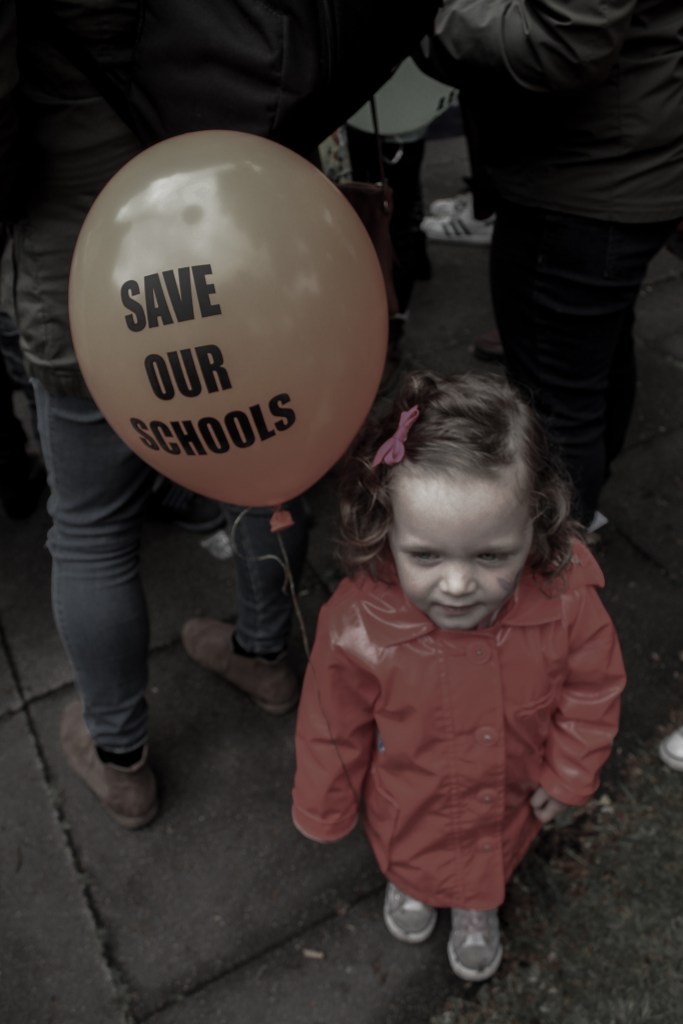
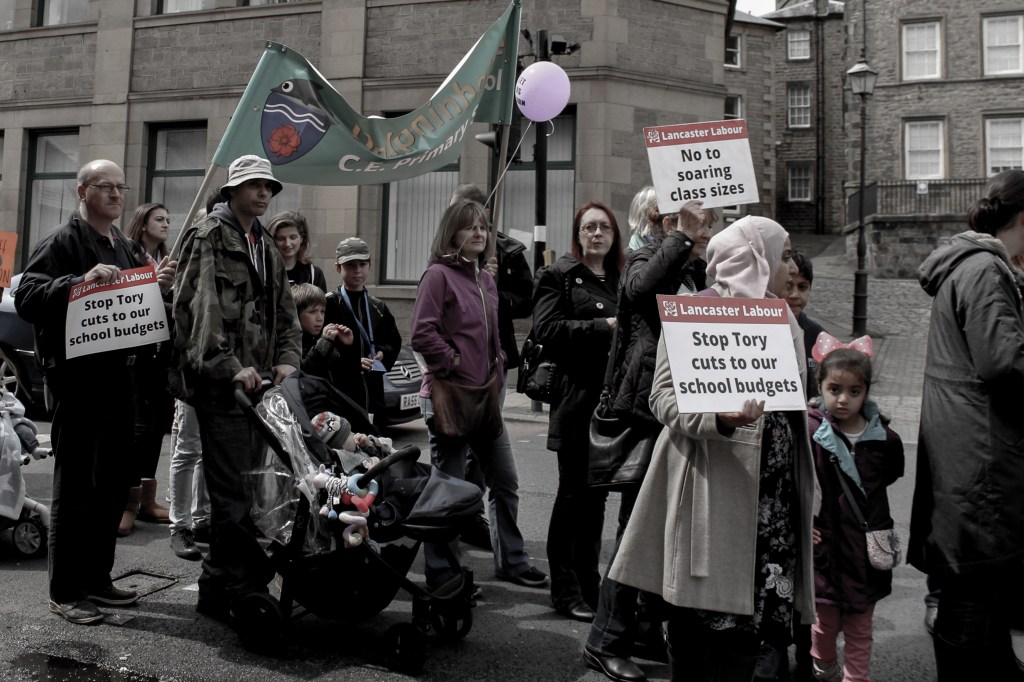
Student made NEST magazine had an open call for work on the issue of ‘Class’, and I submitted documentative photographs of a ‘Save Our Schools’ march back home in Lancaster. This was organised by the Lancaster and Morecambe Primary Headteachers Cluster to protest against budget cuts to local schools. Around 2000 people attended, mainly families and teaching staff to voice against the “systematic starvation of funds to the education sector” (as described by school governors). Many primary schools in the area were already underfunded and belittled by the government, but the further cuts were ridiculous and a threat to the education and well-being of school children. 

I documented this protest march because I think it is important to have evidence of taking action against unfair decisions made by the government, so that it can be shared to give hope to others affected and to show those who deemed the education of these children unimportant that we won’t stand for it.
This protest march united the working class and middle class people for a common cause; wanting a good education for their children to ensure a better future.

I strongly oppose class inequality and I believe that affects my motivation to document the working class perspective I want to communicate. I do feel that artists should be aware of current issues such as class. I think it should be up to the artist if it bleeds into their practice, depending on the themes of their work. However I often notice more meaningful and impactful work comes from real life issues.

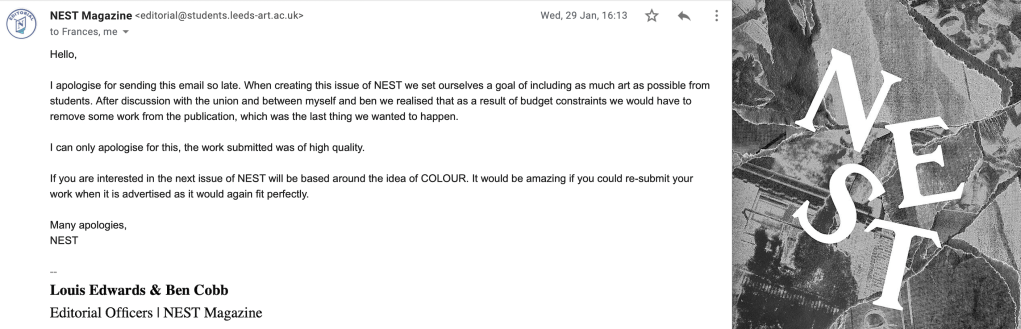
Unfortunately due to budget constraints on publishing this issue of the magazine, as well as exhibiting the work, my photographs were cut from the final edit. I was really disappointed by this because I was excited to see my work published in an issue I am passionate about, but it couldn’t be helped and I shouldn’t let this deter me from submitting work in the future.

https://www.nestmag.online/issue-15

SUSAN SONTAG: ON PHOTOGRAPHY

PLATO’S CAVE

HIGHLIGHTS

Photographs alter and enlarge our notions of what is worth looking at and what we have a right to observe. They are a grammar and, more importantly, an ethics of seeing.

(p.3)

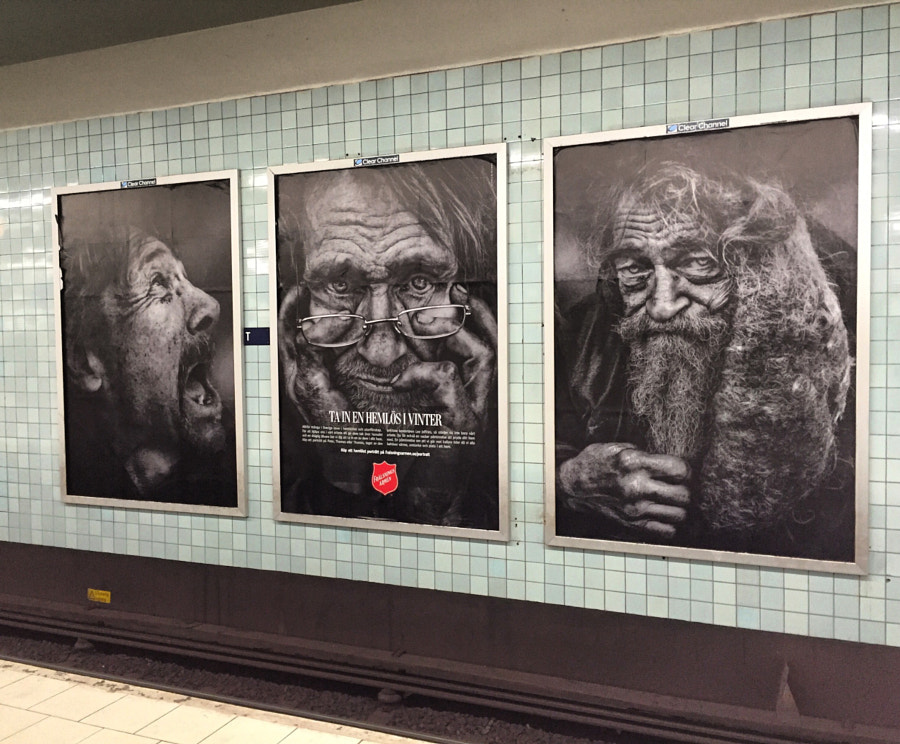
I wholly agree with the above statement; especially when considering street photography, or another situation where consent to take a photograph of someone or on private property is not yet given or not considered. One would argue people have a right to privacy or anonymity in some situations: is it ethical to photograph homeless people without consent? Arguably no, because it is for your own gain (the photograph) and they are vulnerable to how you portray them in a photograph, while already being in a vulnerable state. In the case of Lee Jeffries, it wasn’t until he got consent from homeless sitters that he was able to make meaningful portraits that were used to promote The Salvation Army’s aid for the homeless.

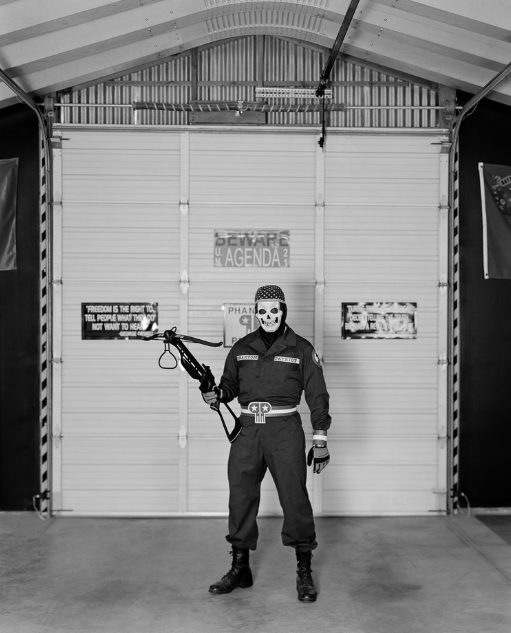
On the other hand, censorship of people or places or objects can have negative consequences, especially when it is subjects that concern or can effect the public. An example of this would be when there was an attempted terrorist arson attack at Bohemian Grove by Richard McCaslin which was prompted by him believing the conspiracy theory that the secretive Boheimian Club’s “Cremation of Care Ceremony” involved satanic human sacrifice. If photographs were allowed to be taken within Boheimian Grove to expose the extreme conspiracies to be untrue, this would not have happened. People only seem to be secretive when they are hiding something incriminating, which causes suspicion.

The closest photographic documentation of Bohemian Grove was made by Jack Latham in his photo book ‘Parliament of Owls’ which focuses on “the dangers of not providing context to the public.”

Photographs, which package the world, seem to invite packaging (albums, framed, featured in magazines and newspapers, exhibited by museums, etc.)

(p.4)

Even when photographers are most concerned with mirroring reality, they are still haunted by tacit imperatives of taste and conscious, e.g, FSA 1930s, Dorothea Lange.

(p.6)

In deciding how a picture should look, in preferring one exposure to another, photographers are always imposing standards on their subjects.

(p.6)

The omnipresence of cameras persuasively suggests that time consists of interesting events, events worth photographing.

(p.11)

The person who intervenes cannot record; the person who is recording cannot intervene.

(p.12)

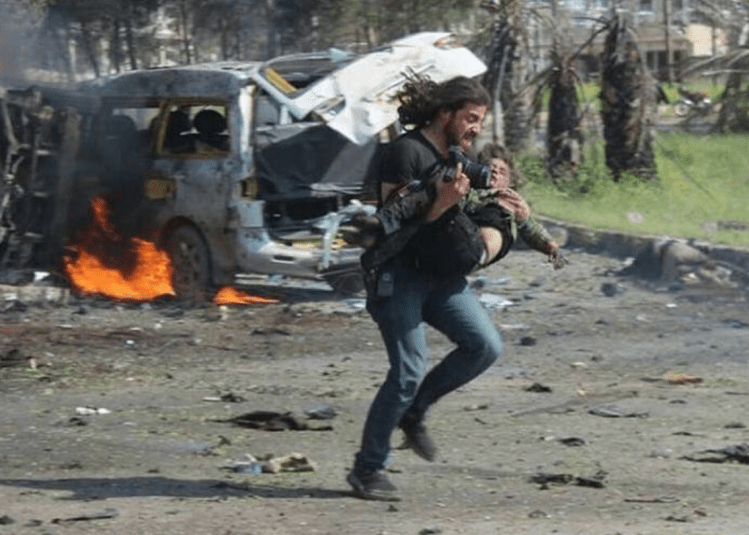
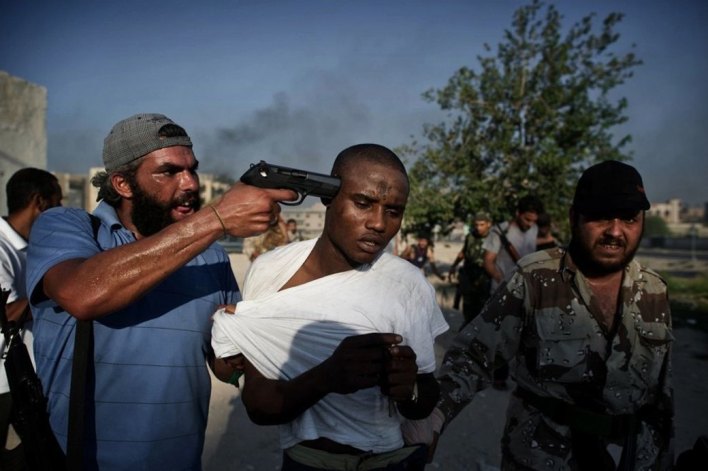
In these last decades, “concerned” photography has done at least as much to deaden conscience as to arouse it.

(p.21) (when documenting real life horrific events)

Photographs, which cannot themselves explain anything, are inexhaustible invitations to deduction, speculation, and fantasy.

(p.23)

The omnipresence of photographs has an incalculable effect on our ethical sensibility.

(p.24)

Needing to have reality confirmed and experience enhanced by photographs is an aesthetic consumerism to which everyone is now addicted.

(p.24)

Intro to collabs with other courses: Creative Writing

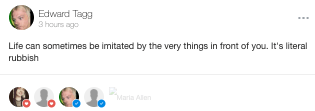
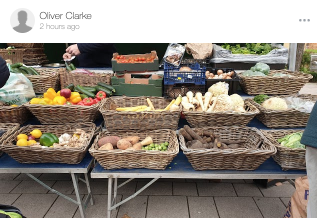
In a group of 2 photographers: Me and Angel Rogers, and 1 creative writer Edward Tagg. We had to pick a random topic and respond to each others work on the Cluster app.

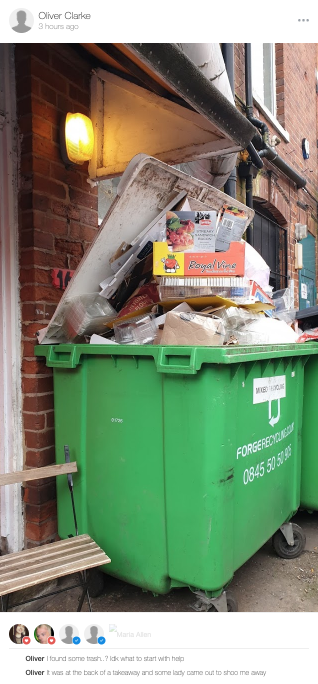
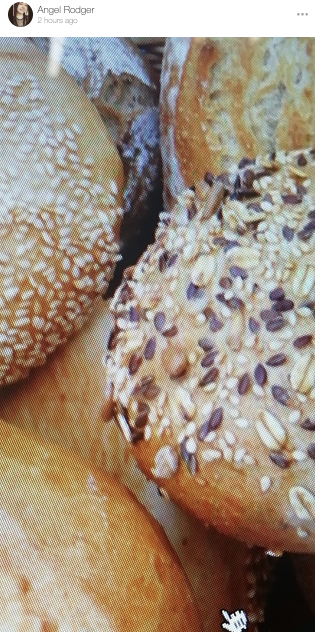
I was first up and posted a photograph of a recycling bin at the back of a takeaway. Then Ed responded with a short piece of writing: “Life can be imitated by the very things in front of you. It’s literal rubbish”. To which Angel responded with littered plastic on the ground outside. And so on.

I found this task quite fun as a way to collaborate and bounce ideas off each-other, especially with a new input from a different creative course that added a new element. Ed added funny captions to our photographs that made them more entertaining. I would consider working with a creative writer in the future.

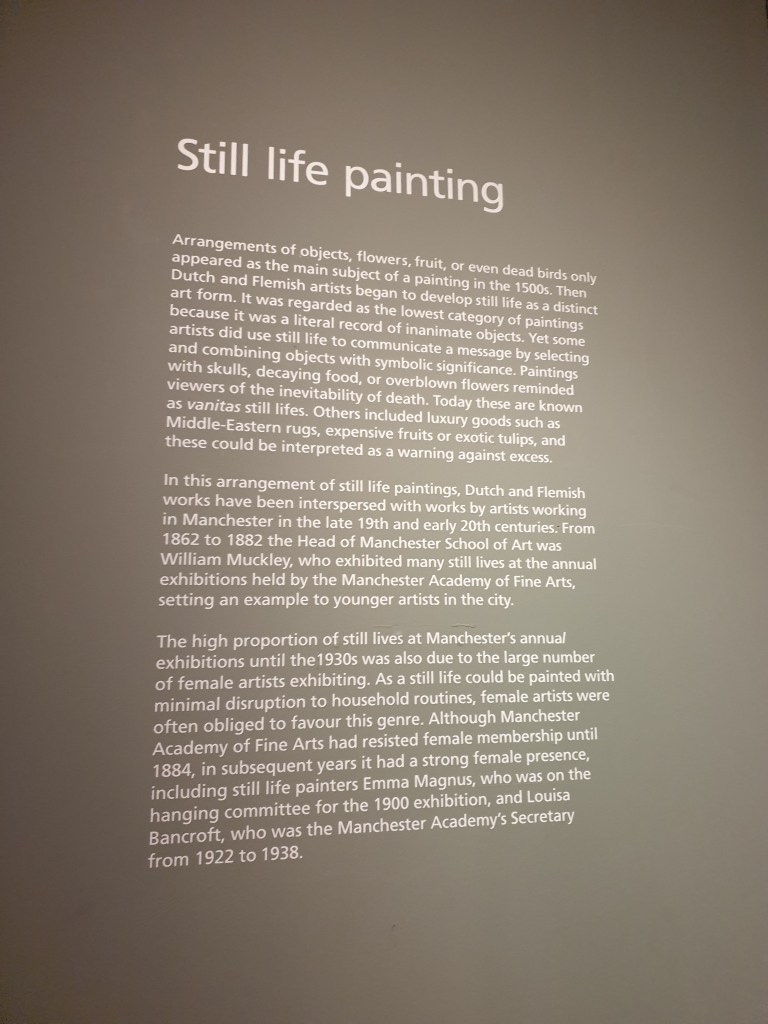
MANCHESTER ART GALLERY

PHOTOGRAPHY

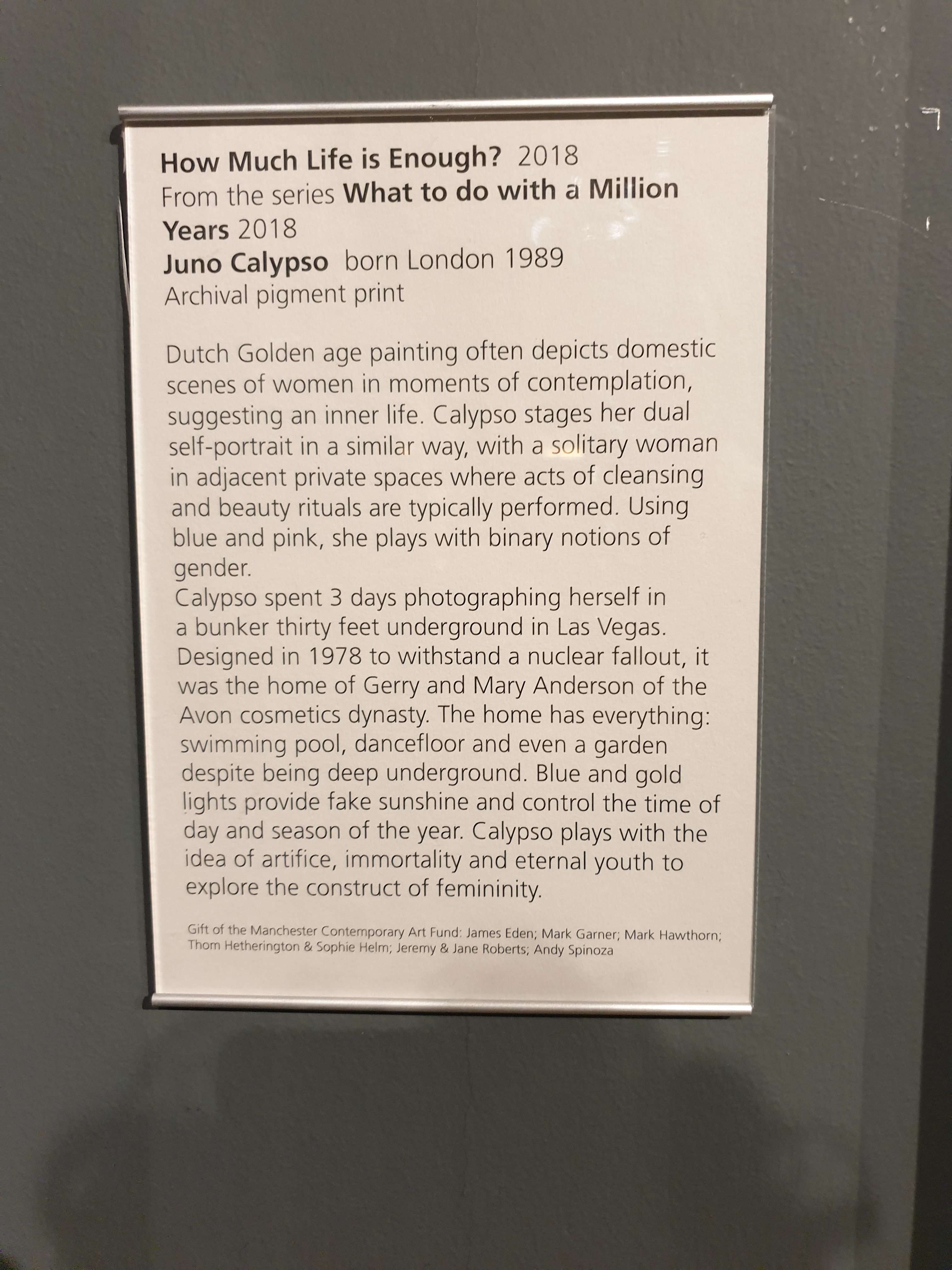
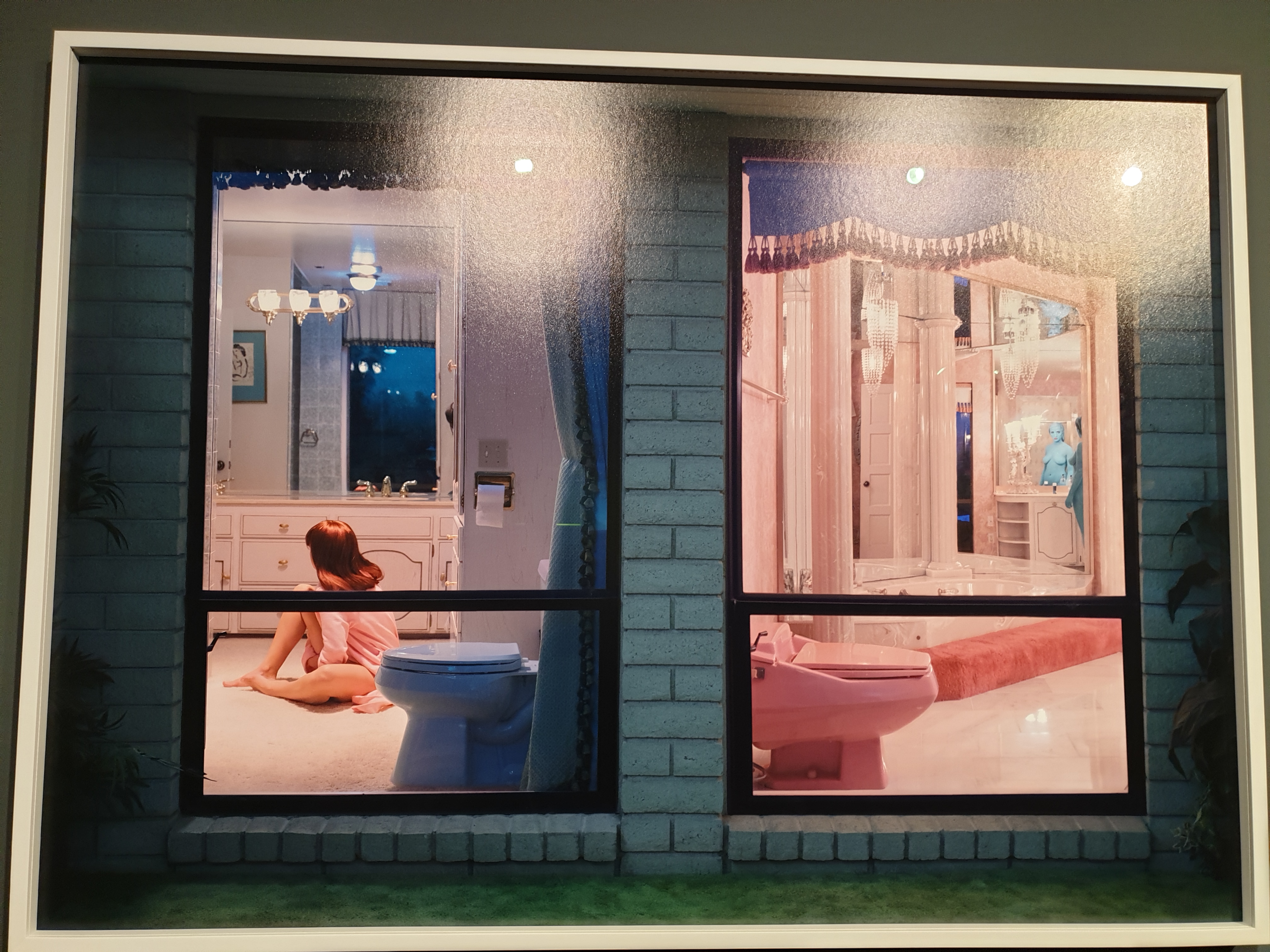
It was amazing to see Juno Calypso‘s work printed large on the gallery wall, as I’ve only ever seen it online. I love the visual aesthetic associated with Calypso’s photography, and the existential and identity orientated themes she addresses. Seeing it printed large allowed me to get up close and examine the details and the aspects that hint at how the photograph was set up and taken.

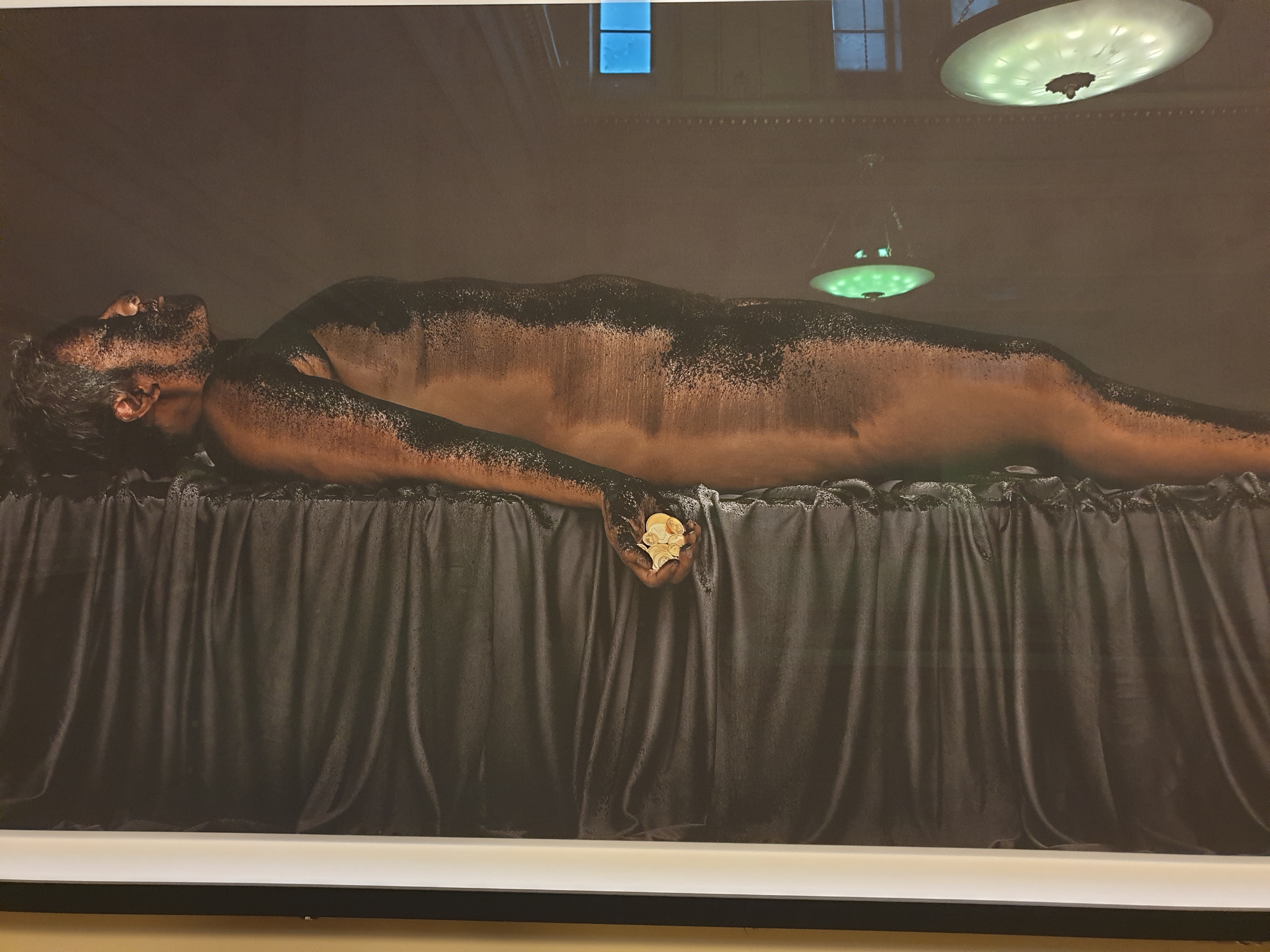
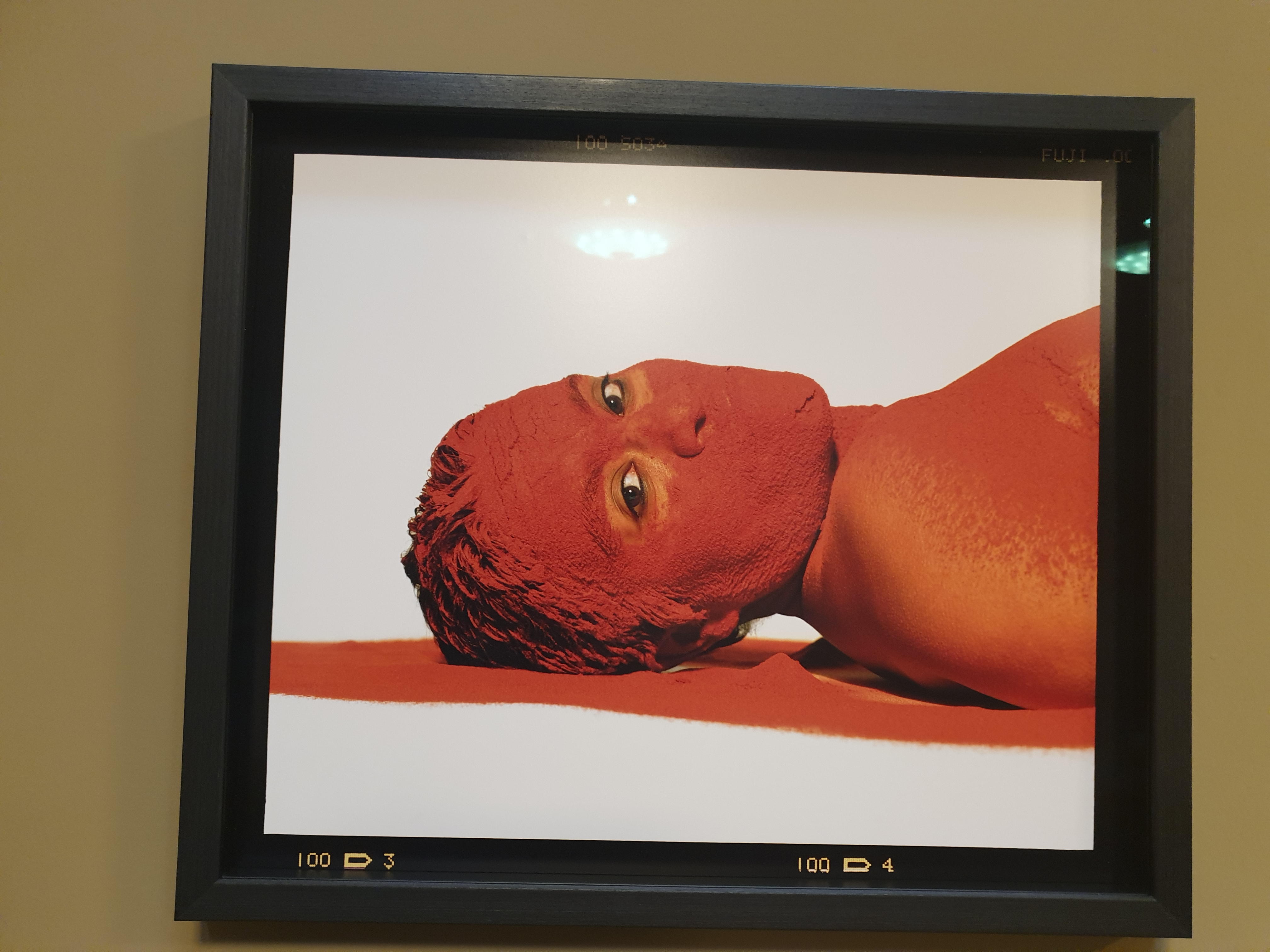
These photographs by Berni Searle really caught my eye. They’re quite bizarre looking and immediately struck me as fine art photography. By using herself in her work she places herself in the spotlight to be judged as those she has researched (striking mineworkers) and includes her own experiences of predjudice.

The photograph ‘In Wake of’ (2014) is very sombre as she lays on black cloth, using her own body as a memorial to the victims of the Marikana Massacre. The bright gold coins she holds symbolise the brutal class segregation and polarisation between the very rich and very poor. This photograph is very tragic and reflective of the massacre of the striking mineworkers in South Africa.

‘(Red)’ from Colour Me series (1998) is the opposite in mood; it is defiant, and her stare is accusing. The purpose of this piece was to challenge static definition of identity related to race and ethnicity, and resistant to apartheid in South Africa. Additionally, the red powder Searle is covered in connotes danger and fierce beauty which is related to resisting stereotypes associated with race and gender.


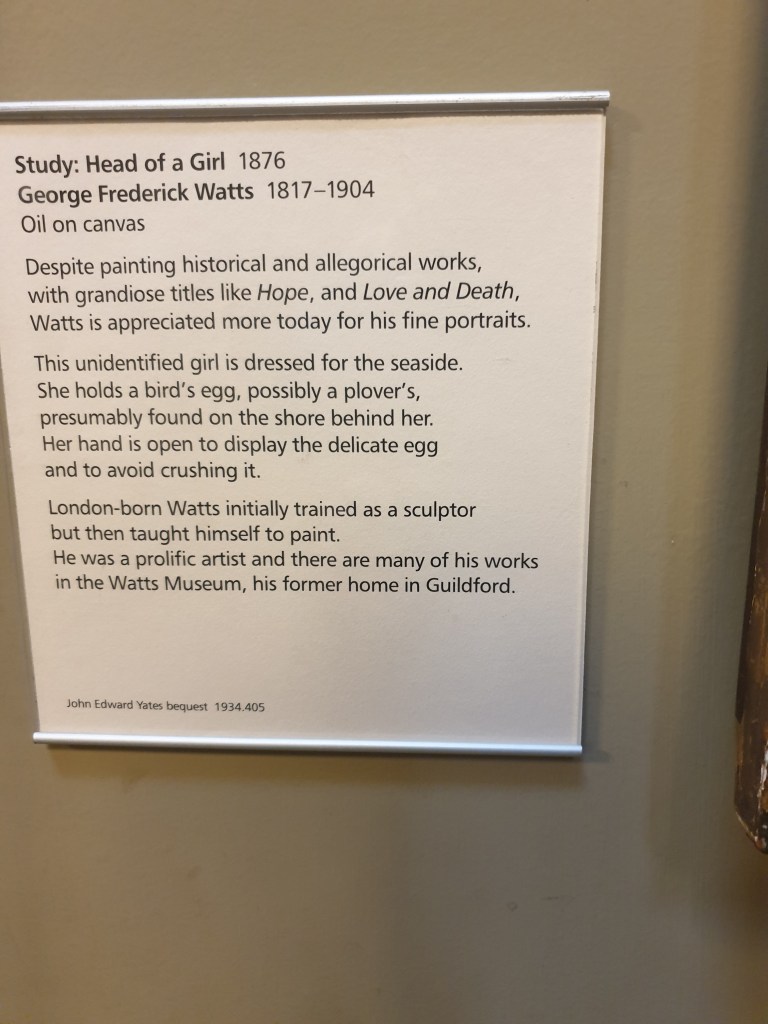
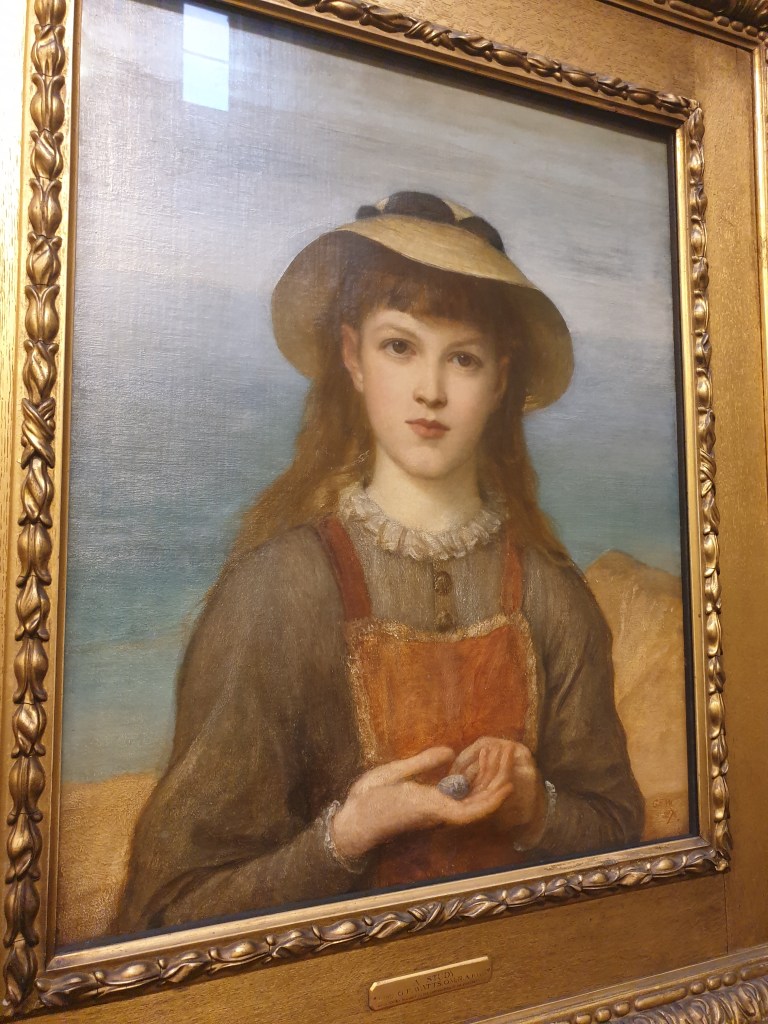
PAINTING


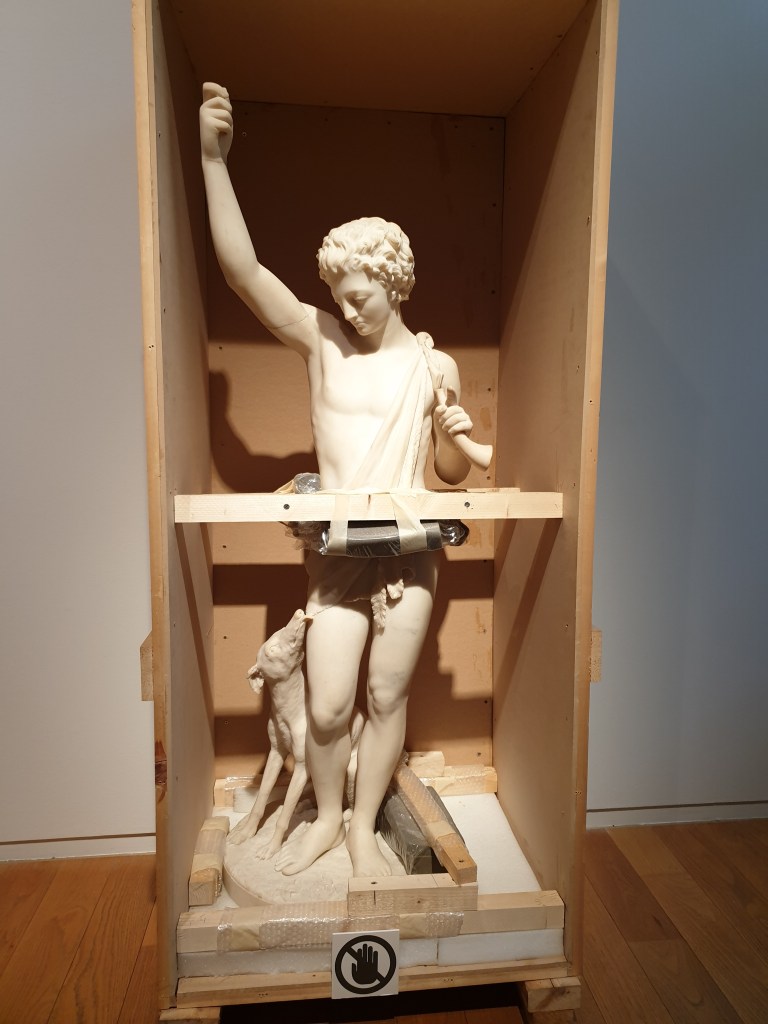
SCULPTURE

JACK LATHAM – PHOTOGRAPHER

  • Based in Bristol
  • Likes Ben Weaver as a publisher because he genuinely cares about the subject matter of what he is publishing.
  • Uses large format
  • Is well-researched on his subject matter before and during photographing. (Archival Material)

Latham photographed the places and people that feature in the many varied accounts of what happened to Gudmundur and Geirfinnur after they vanished, resulting in his Sugar Paper Theories project. Spending time with the surviving suspects, as well as whistleblowers, conspiracy theorists, expert witnesses and bystanders to the case, Latham’s photographs and material from the original police investigation files stand in for memories real and constructed.

http://www.herepress.org/publications/sugar-paper-theories-1/

This project was very thorough and well put together over a number of years. Jack Latham got deeply involved with the Guðmundur and Geirfinnur case (The Reykjavik Confessions), photographing the people involved, the places and items related to the case. Combined with material from the police investigation, it makes a well constructed visual narrative of the case within a photo book.

I learnt from this that to make an interesting documentary using photography, you have to be very involved with the subject matter to accurately represent them. In a case such as this it can also be very consuming and emotionally demanding.


In ‘Parliament of Owls’, Jack Latham investigates the effects that a vacuum of information can cause.

http://www.herepress.org/publications/parliament-of-owls/

I found this documentation on Bohemian Grove and the events and people surrounding it really interesting and the range of photographs he took to compile together in the photo book ‘Parliament of Owls’ to reveal more about the secretive gatherings. I like his combination of documentative portraits, landscapes and studio photos of owls to reflect the strong presence of owl statues within Boheimian Grove, and their placement in the photo book to break up the different sections.

I found this talk with Jack Latham really inspiring and insightful to how a dedicated, large scale operation to photograph what is hard to get access to is done. It resonated a belief I have that photography can be and should be used to capture the truth, that information that is relevant to all, should be available to all. The photo book was also similar to a fable, saying that when things are too secretive, conspiracies emerge, then conspiracists can take dangerous radical action.


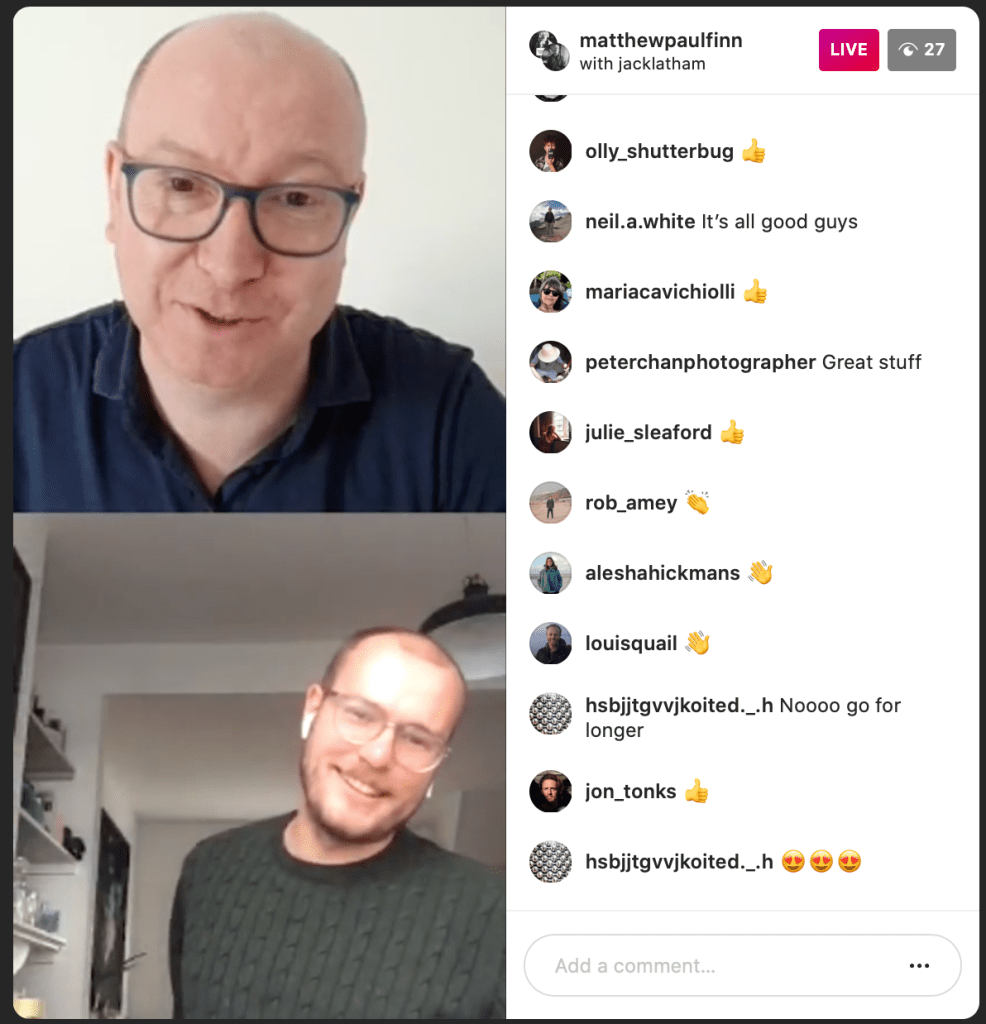
Jack Latham on Matthew Paul Finn’s Instagram Live Interview

Newport uni learning photography

Documents stuff far away from home. He is British but documents in usa, Iceland, etc. You don’t have to photograph only close to home stuff.  Subject/concepts matters more than location.

Sugar paper theories – collabed with Icelandic psychologist scientist friend to have key source of research close that would influence the art. Gisley. A friend.

Doesn’t want to lecture others about someone’s experience. 

We have transcended the idea that one medium fits all; photobooks, video, written, etc.

There is symbolism that can be read into and sometimes misunderstood. E.g. churches bc 1 of the 6 convicted became a minister, idea of confessions.

Books with pictures vs. books used to further meaning of project.

More interesting if the reader is challenged and not just tell.

2015 Bar-Tur Photobook award

Wouldn’t print sugar paper theories until every 6 person (convicted) had signed off on the book and its final design etc. He didn’t want to use their suffering of their marketing tool. Herepress

Parliament of Owls vacuum of info presented to the public they fill it with conspiracy. 

Alex jones. John ronson. They both interpreted owl burning v differently. Info wars. Misinformation = d trump.

Linear narrative remove context of photos to present 1 view of events. 

Walker Evans. 

10×8 camera. Slows u down time to look. Taken seriously big camera. Large format. Developed negs from water from bohemian grove. 

What’s next? – china put on hold. Algorithms & how we interact online. Rn everyone communicating online. How we lied to on social media. 

Ppl will be apprehensive of each other for a while after lockdown. Humans are meant to cohabit and tactile. All online is dangerous.

Design a site like this with WordPress.com
Get started