At the beginning of this year I felt excited to finally go to university to pursue my photography career. I hoped to work in a creative hub, away from home, and to seize new opportunities to improve myself as an individual and a photographer.
I enjoyed that the creative challenges have improved my lateral thinking and I have been challenged by the big change of living on my own and motivating myself to continue my work efforts.
I have achieved making work I am proud of, developing my technical skills and establishing my own visual style. I have started to become more confident in myself and my work. I’ve become more willing to participate in group criticisms and to receive and to offer feedback to others.
As a photographer I have begun to focus more on the ideas that motivate taking a photograph, not just a visually appealing outcome. As an individual I have become more self-sufficient and open-minded.
My highlights of the year were the trip to Budapest, something I found culturally enriching and something ticked off my personal bucket list. I’ve liked the mini challenges and competitions offered and highlighted by the PPP1 module as it has allowed me to expand my practice into areas, I wasn’t sure I could be able to. I’ve found it most challenging to collaborate with others in group projects as I’m torn between being a mediator but also wanting to drive the project forward.
I am most proud of my work from the Queer Identity Exhibition and my EIZO entry. I feel they have interesting concepts behind them, and they are visually good. It was nice to have feedback on these pieces and see it actually resonated with people.
I can take the achievements of exhibiting and submitting work into next year which will encourage me to keep doing so and making connections with all sorts of creative organisations.
I would still like to improve my communication skills and the consistency of them, as it is something I’ve always struggled with personally but I feel my passion for photography will be the thing that will help me overcome that for the most part.
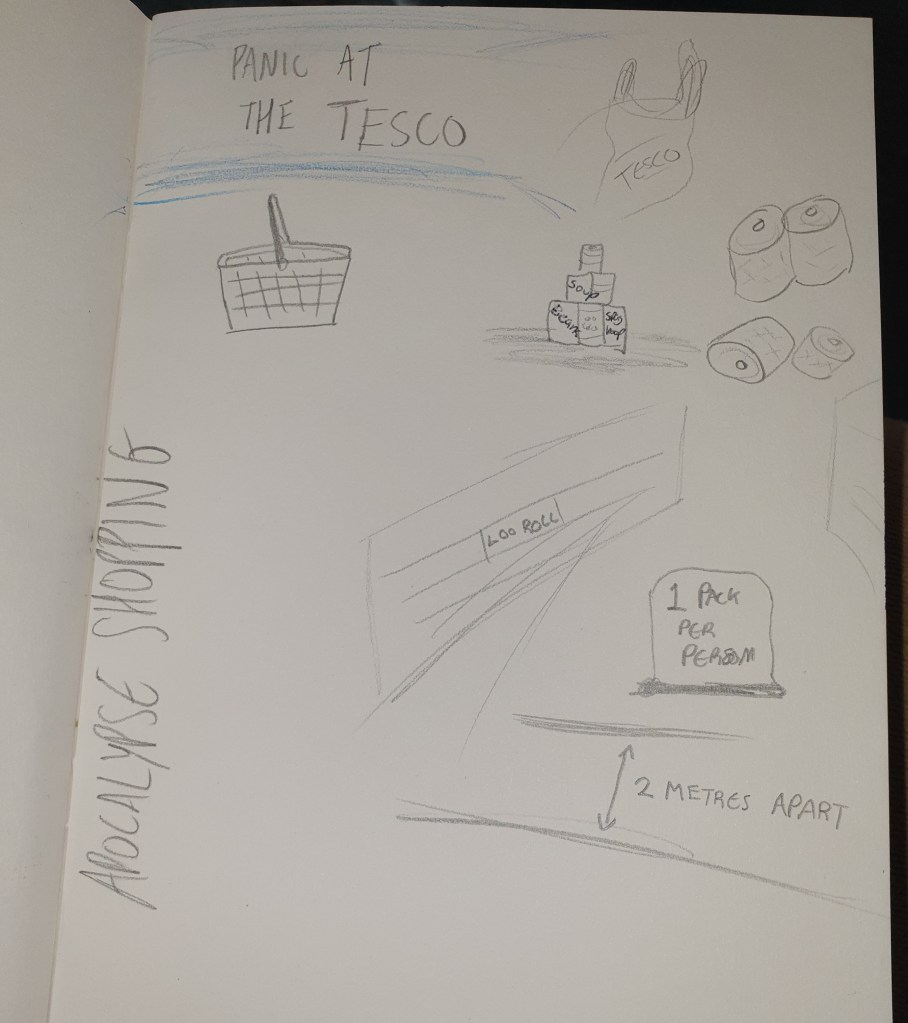
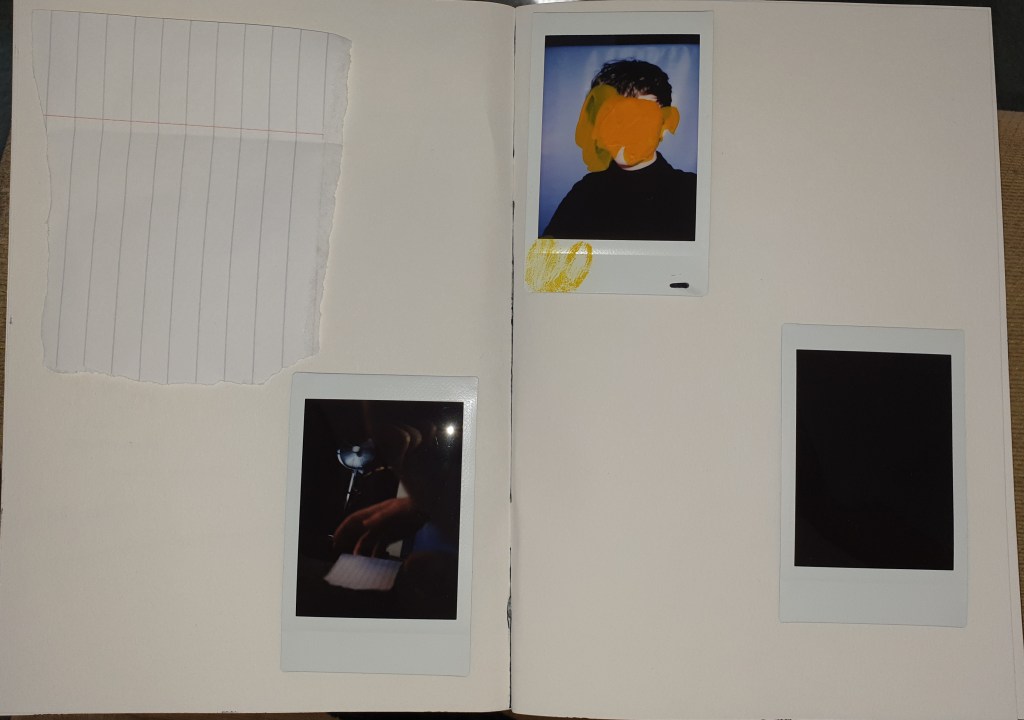
I thought it would be fun to take part in this project, as I can have a space to sketch ideas and experiences throughout lockdown, and just have an object I can put all my random creative ideas and urges into. It is nice to have a tactile outlet for creativity, especially since I am without university facitilies. I am not a good drawer but it is refreshing to channel creative ideas through mixed media and not just photography.
“Over the next couple months we will be running a sketchbook project for anyone that wants to participate across Lancaster. The idea is to sketch, draw, paint, scrap, collage or write in the time we are forced to isolate. It is a space to explore ideas and to draft plans for bigger projects or a non-digital space to experiment and play.
When we are able to return to social-gatherings we will offer all participants the opportunity to exhibit their sketchbooks in their entirety or select pages alongside any other art or craft projects produced in the coming months.”
This is an ongoing project that I will continue until lockdown is lifted. I’ll definitely participate in the sketchbook exhibition once it is safe to do so, to see other local people’s experience of lockdown. It will be nice to reconnect with local creative people from my hometown Lancaster.
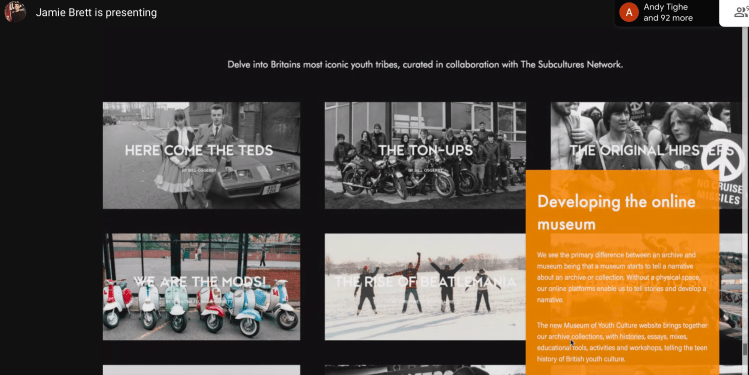
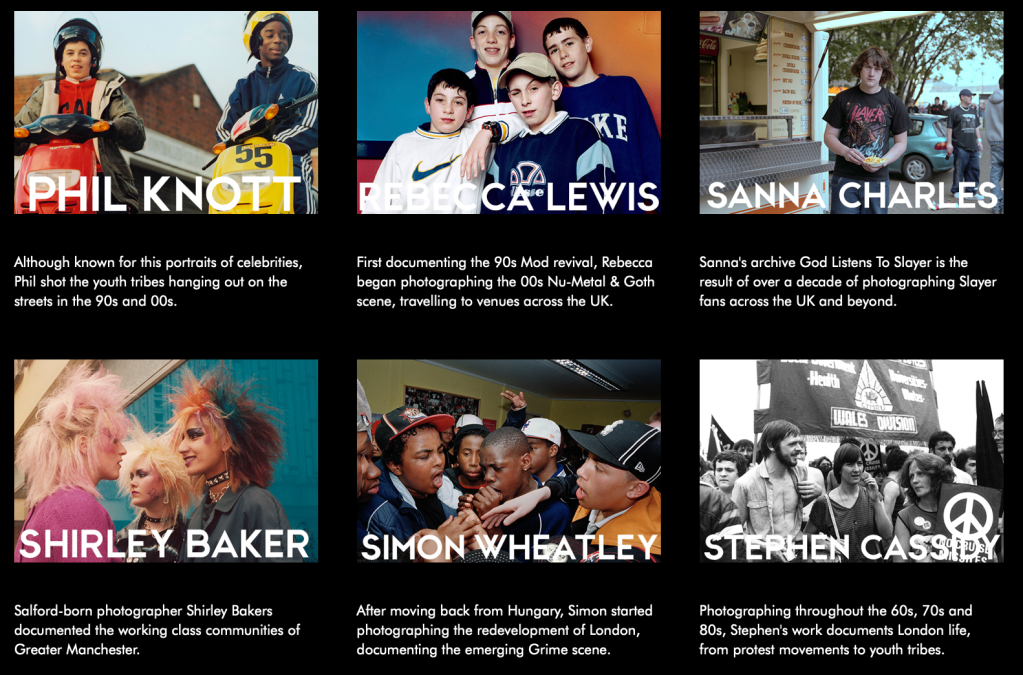
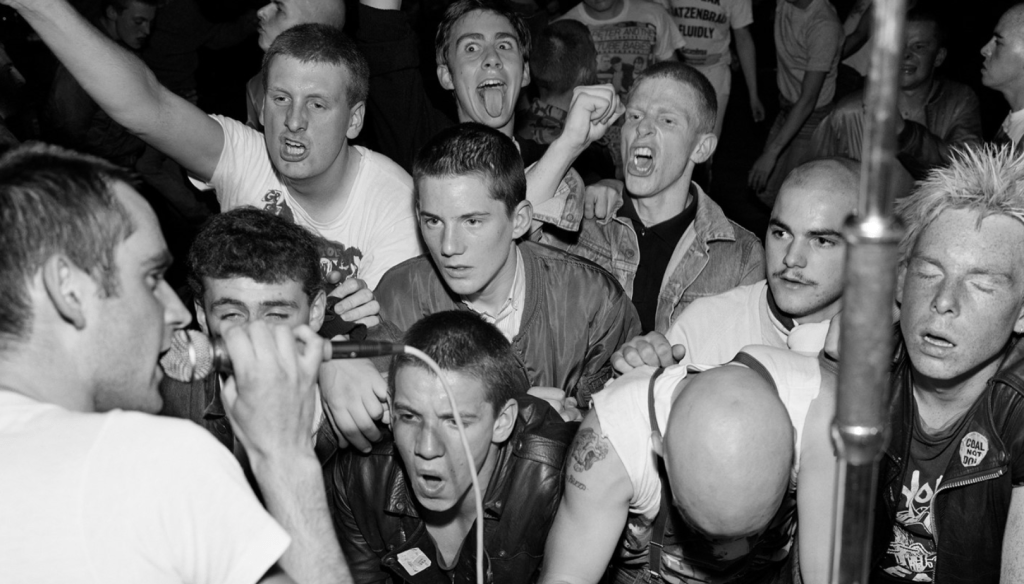
YOUTH CLUB – MUSEUM OF YOUTH CULTURE is a not-for-profit organisation working to preserve, share and celebrate youth culture history. Started in 1997, born out of SLEAZENATION MAGAZINE, they archive and share any and all elements of youth culture. Currently they are an unrecognised heritage collection, but aim to open the world’s first Museum of Youth Culture in London.
“At YOUTH CLUB, we believe in the power of youth culture heritage as a catalyst for creativity, self expression and connecting communities. We have observed a continual and growing demand for youth culture to be preserved, shared and ultimately celebrated – connecting the past, present and future generations.”
HOW CAN A MUSEUM USE DIGITAL MEDIA TO TELL STORIES?
… IN THE CURRENT NATIONWIDE LOCKDOWN CLIMATE?
Developing their online museum to share archive in an accessible way while people cannot visit in-person. This approach will still be viable after lockdown is lifted, because not everyone can afford to travel to see the archive in person.
Activities accessible online for at-home use is a great way to promote public involvement and promote getting stories out there. Taking advantage of the fact people are less busy during lockdown to get involved with these activities.
Thoughtful approach to continue to involve isolated and vulnerable folk – providing an offline option for those without access to the internet.
Q: How do you approach including photographs of extreme groups, e.g. racist skinheads?A:Youth Club keep and archive all images provided to them, but they put more spotlights on the positive ones. They provide objective context to the more controversial or offensive images; they don’t want to censor history but they don’t promote or share values with these groups.
Q: How are Youth Club reaching out to less visible communities like ethnic minorities? A:Youth Archive have made a concious effort to shift the archive to feature every kind of person. It is also common that they may have the photographs and materials but not the stories that go with them because they haven’t been preserved or curated for the purpose of showing youth culture in Britain.
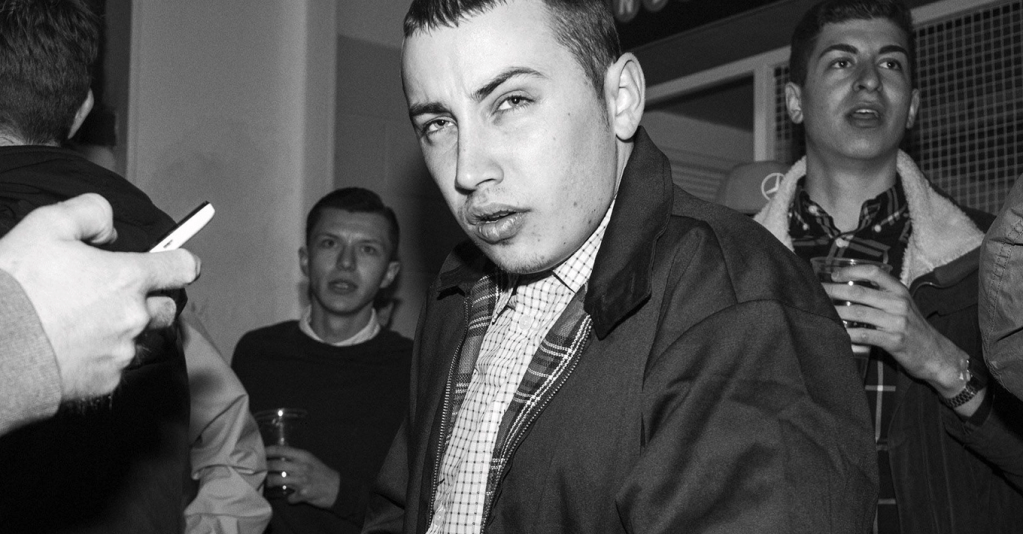
Q: Do you reach out to more recent and current young generations from the 1990s and 2000s?A: Most work that has been submitted is from the 1980s. Although some people have been documenting their youth now; young people on nights out, etc. Youth Club are interested in getting more photographs from the 2000s punk/emo scenes. One of the biggest changes from the 1960s-1980s to recent and present day is that in the old days big brands didn’t want to be associated with renegade teenagers. However now big brands get involved in current youth culture to blow it up and make it mainstream so they can appear “hip” and sell their brand. There are so many images all over social media of young people, and that itself is part of current youth culture – but how do you even begin to edit down and archive these images? Many scenes on social media are constructed to appear iddylic and don’t reflect reality.
Q: Does the archive show the revival of trends in recent decades?A: Every scene that is a revival counts as another new youth culture. Every generation has some kind of revival from previous generations. Example: the Rave scene from the 1990s and now in 2019/2020 – it is new for the new generation, doesn’t matter if it has been “done before”. It’s exciting and new for youth today.
I am really impressed by the Museum of Youth Culture’s archive and work to get photographs from photographers and the public to show honest reflections of youth culture in the 20th and begining of the 21st century. I love social documentary photography and would love to get involved with the Museum of Youth Culture somehow, I could submit personal photographs I have from my family’s collection, and from my own. I would like to do a project revolving around current youth culture and pick a group or two to focus on, probably groups I’m involved in already and would submit this to the Youth Club archive.
From the offset Laia Abril stressed how important it was that when approaching a difficult subject matter it is important to look after the mental health of everyone involved in that project. It can be difficult to be so close to the victim’s trauma narrative, so it is important that everyone involved receives therapy. An artist needs to know and be comfortable with themself especially when working with others that are vulnerable and difficult subject matter.
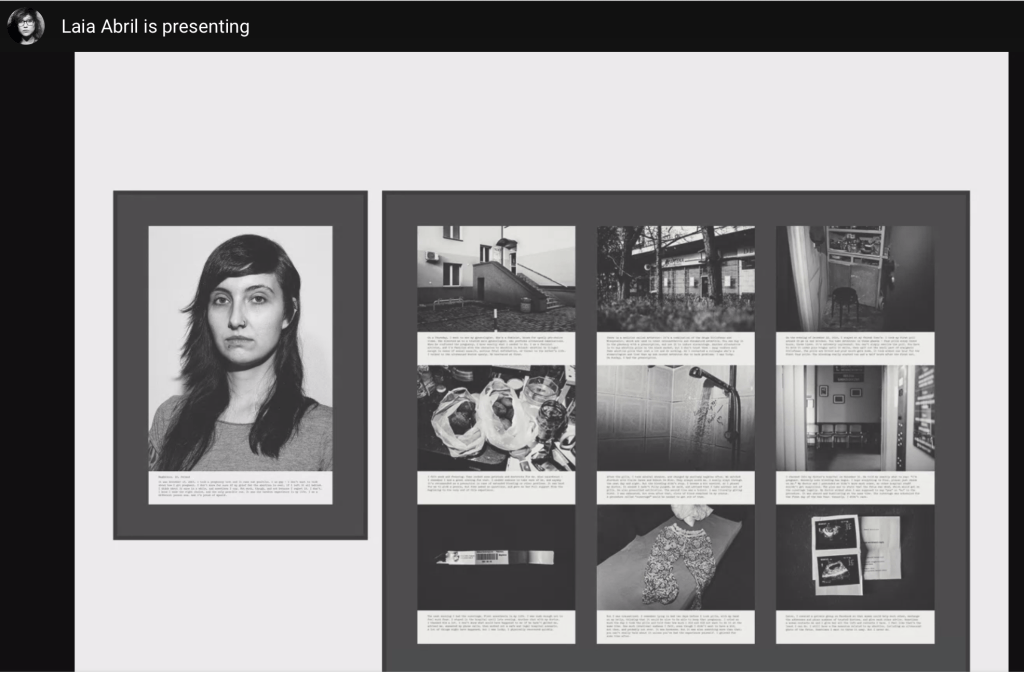
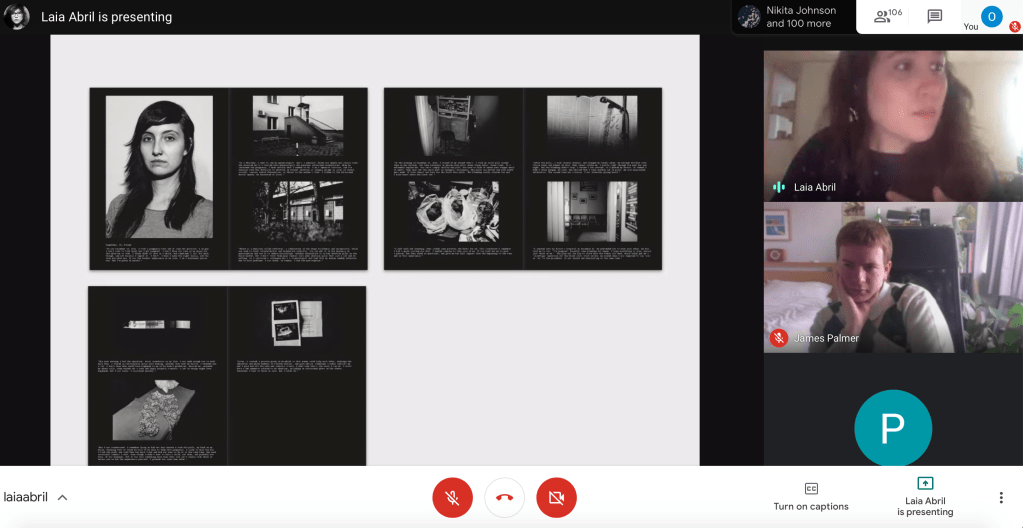
Laia Abril’s long-term project A History of Misogyny is a visual research undertaken through historical and contemporary comparisons. In her first chapter On Abortion Abril documents and conceptualizes the dangersand damages caused by women’s lack of legal, safe and free access to abortion.
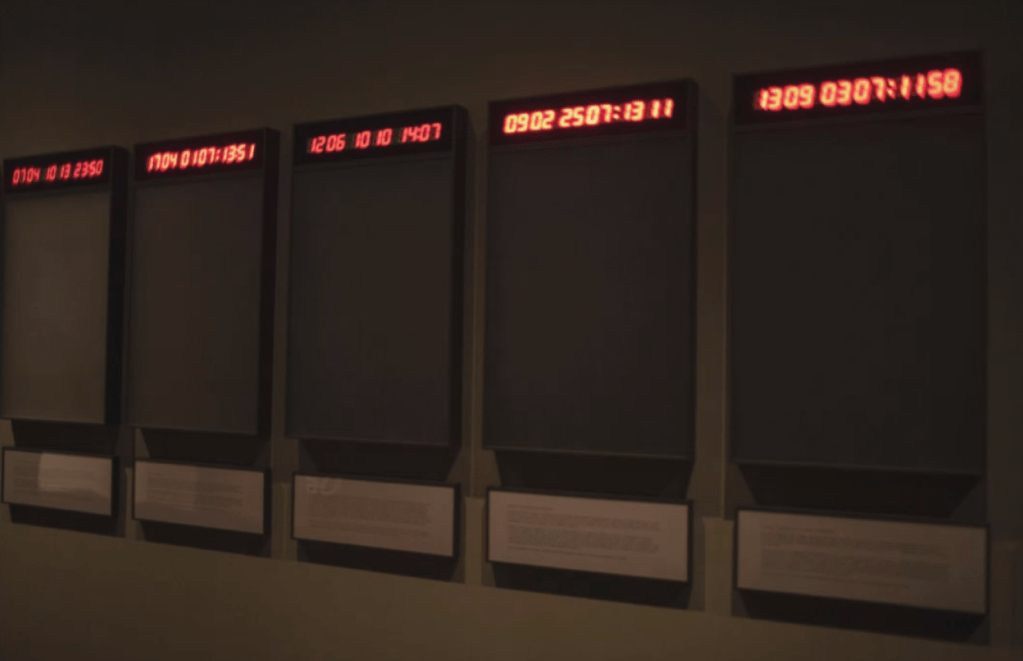
Her collection of visual, audio and textual evidence weaves a net of questions about ethics and morality, and reveals a staggering series of social triggers, stigmas, and taboos around abortion that have been invisible until now.
Laia Abril showed us the narrative portraits she had made of women who had pursued illegal abortions. A portrait photograph of them alongside images that tell their story: locations, objects, reconstructions of significant scenes. Abril explained that text is important in her work, stemming from her degree in journalism; she puts the text that tells these women’s stories within the frame rather than as blurb beside the work.
In a project with a big concept you must first define your approach and your role. Not a sociologist or journalist – an artist.
In the exhibition the images aren’t shocking – but the stories are. The exhibition is aimed at people who are on the fence about the topic of abortion and are willing to have a discussion and could become pro-choice. This is why the photographs aren’t graphic.
On the other hand there were slightly censored bloody and graphic images in the book. Abril reasoned that if they bought the book (instead of happening across the exhibition by chance), they must be interested enough in the topic to not be put off by graphic images.
CATHOLIC NUN VIEWING ABRIL’S ON ABORTION EXHIBITION
She first exhibited in Ireland during the referendum on legalising abortion. She got a positive response through notes from teenagers, transgender men and people of religious faith. Laia Abril likes having her work in exhibitions because it reaches a wider audience including all kinds of people.
Ownership of appropraited imagery / found images – Abril believes it is justified to use found images to help explain the stories. It is never her own project because she appropriates images, works with people and collaborates with artists. Therefore it is justified in the process.
ANONYMOUS STORIES WITHOUT PORTRAITS TO KEEP WOMEN’S IDENTITY SAFE & FROM BEING PROSECUTED
HOW DO YOU FIND PEOPLE WILLING TO SHARE THEIR STORY & BE PHOTOGRAPHED? – People are more likely to want to be apart of it if you are clear what your intentions are from the start. Make them aware of the consequences and aftermath of them sharing and having their portrait taken: shared online, published in a book, exhibited in a gallery, etc. Never coerce people into your projects, but never give up on searching for willing participants – especially with the internet being available to reach as many people as possible.
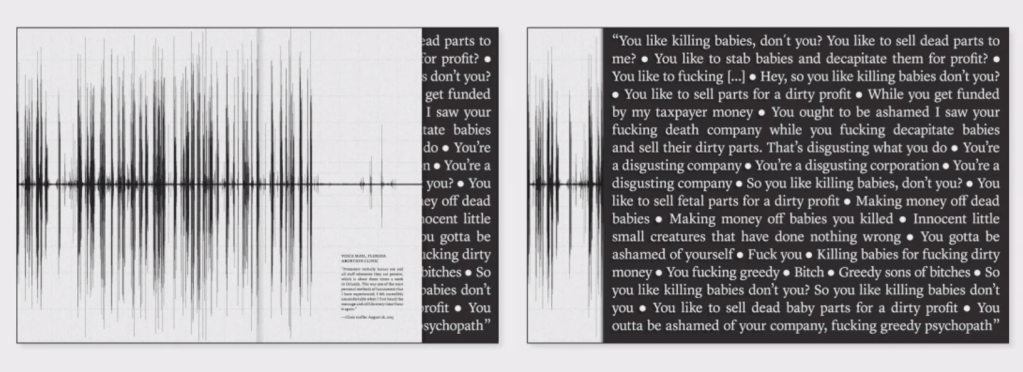
I really liked the audio aspect in ‘On Abortion’ both in the exhibition and in the book. You interact with the exhibition by picking up the phone and the audio recording of an anti-abortion campaigner leaving an abusive voicemail to an abortion clinic. This affects the exhibition-goer and makes them empathetic to staff at the clinic, its and effective way to involve the audience more. I love the visual of the graph of the voice recording showing how loud the caller shouts, as well as the transcript confronting you, Abril thought of another way to communicate the confrontation visually without sound. If this sort of thing was relevant in any of my future projects I would like to experiment involving audio, or visual alternative to audio, in my work.
WOODEN & PLASTIC RODS FOUND IN AFRICAN WOMEN’S UTERUSES AFTER DIY ABORTIONS
A part of this subject that she tried to visualise was institutionalised rape, but this didn’t make it into the exhibition or book. Her idea was to represent the different industries by photographing their uniform/clothes. Abril advised when doing something like this you must be upfront with everything you want from that person from the begining so they can prepare and you won’t emotionally exhaust them as much.
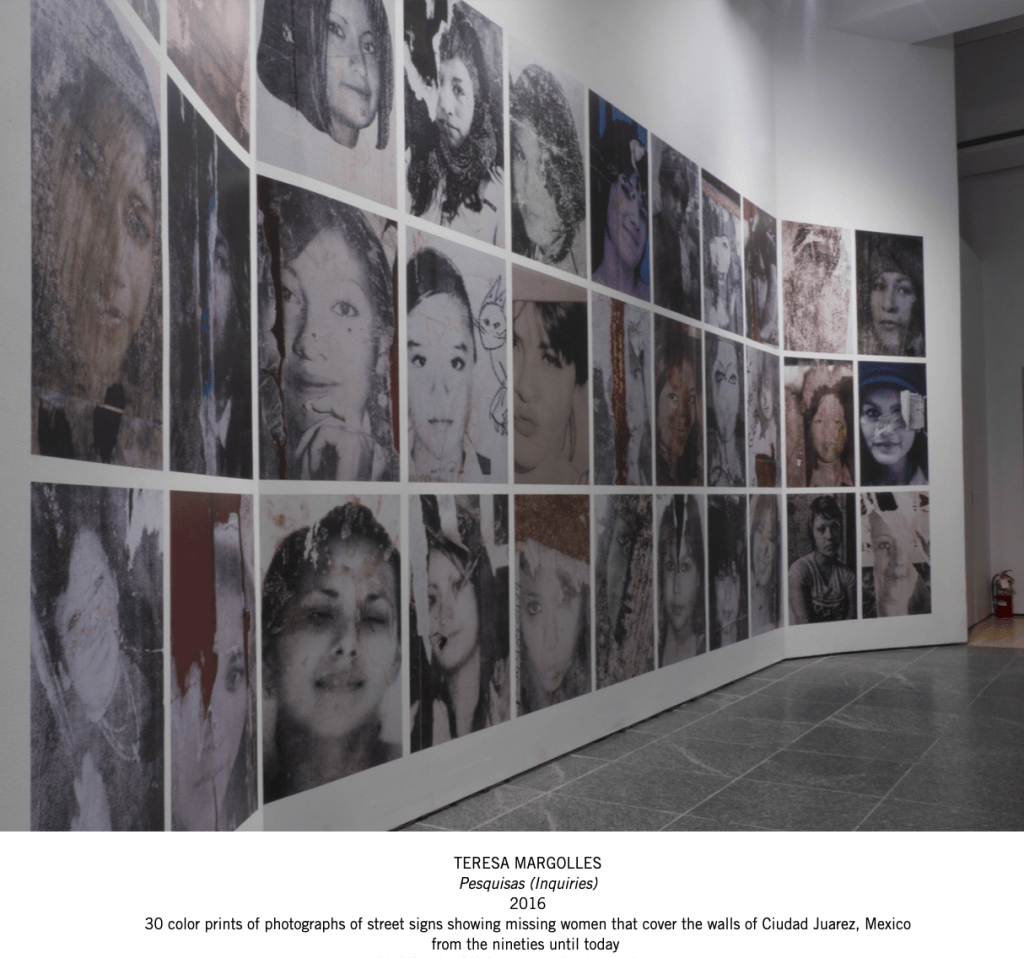
Laia Abril said her influences and inspiration for such sensitive topics are emotional responses and reactions to injustices. She is trying to learn and understand these topics and spread that information to others. Teresa Margolles informs Laia Abril’s visual style and approach to serious subject matter.
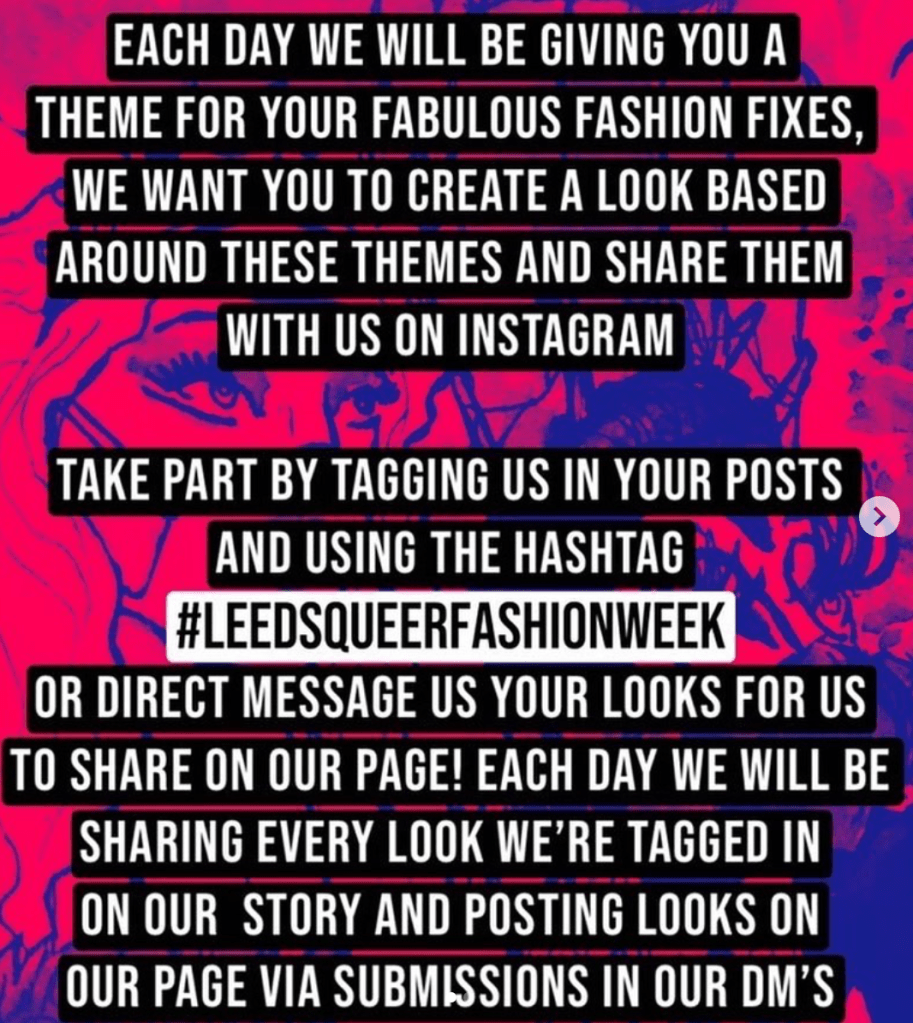
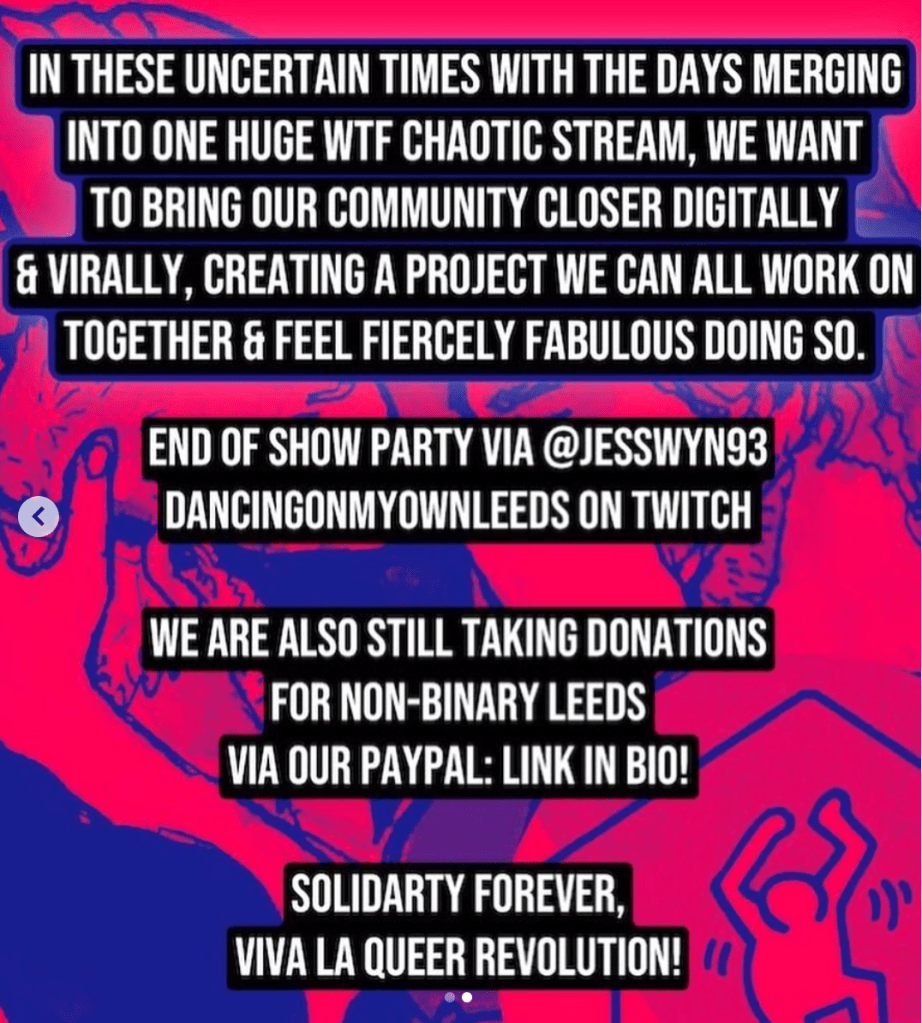
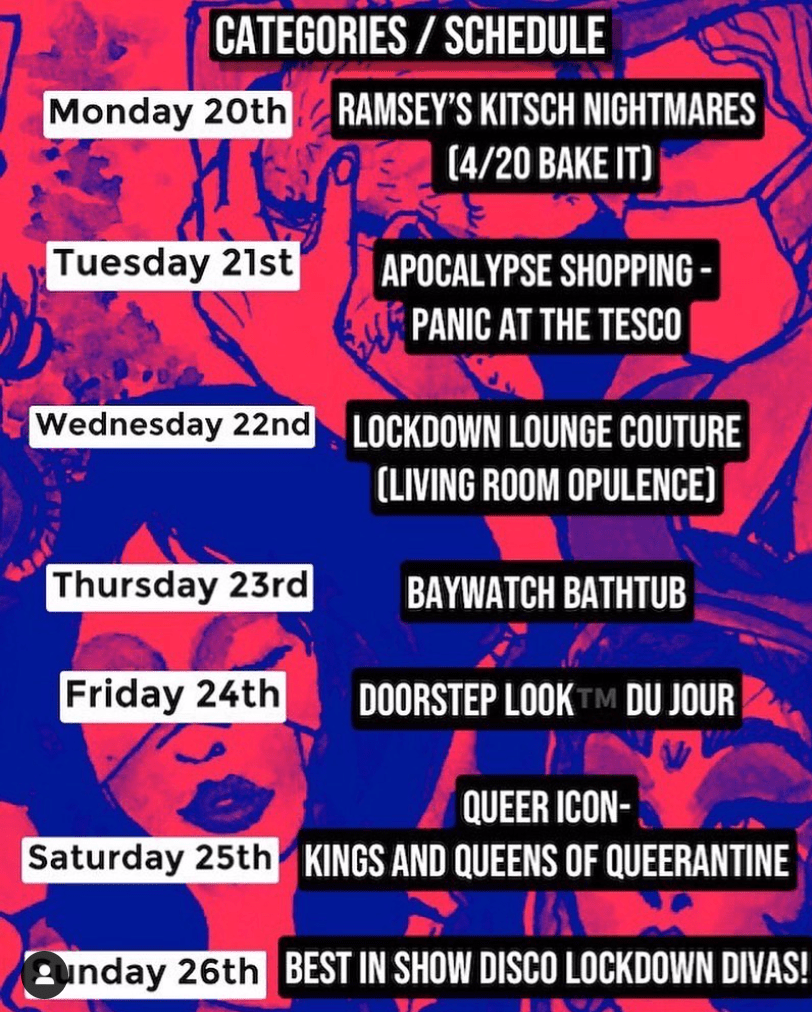
I thought creating a response one or two of these categories would be a fun activity to do in between work for my modules.
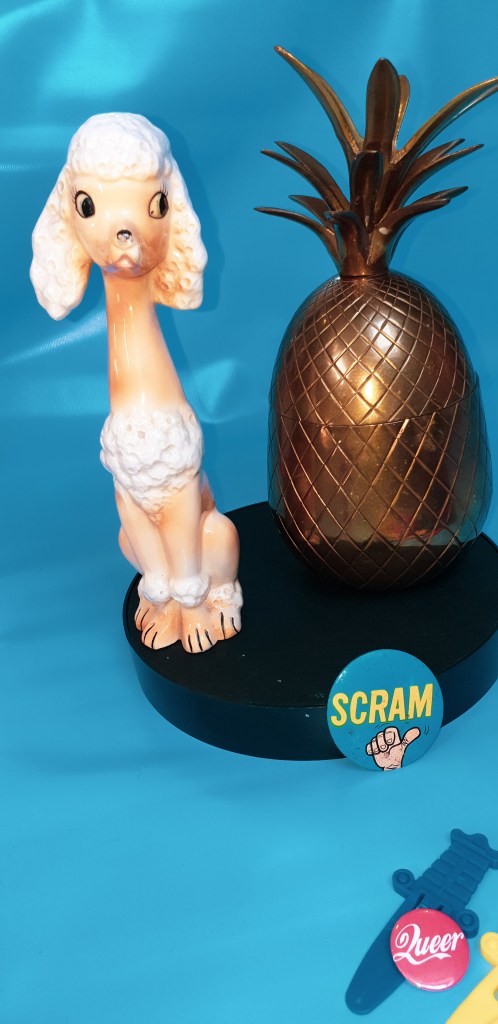
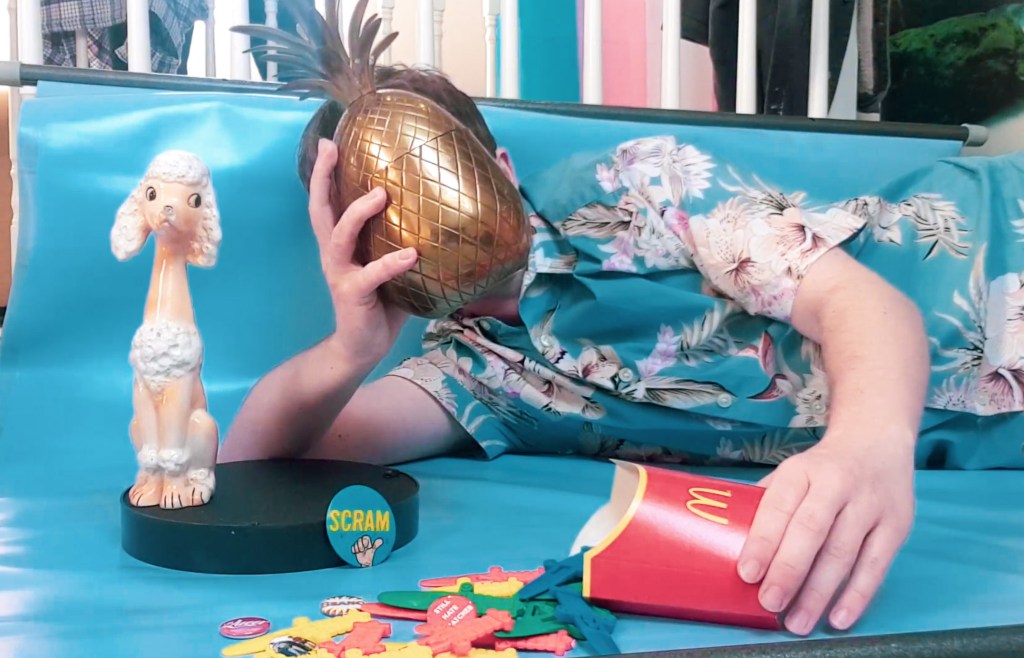
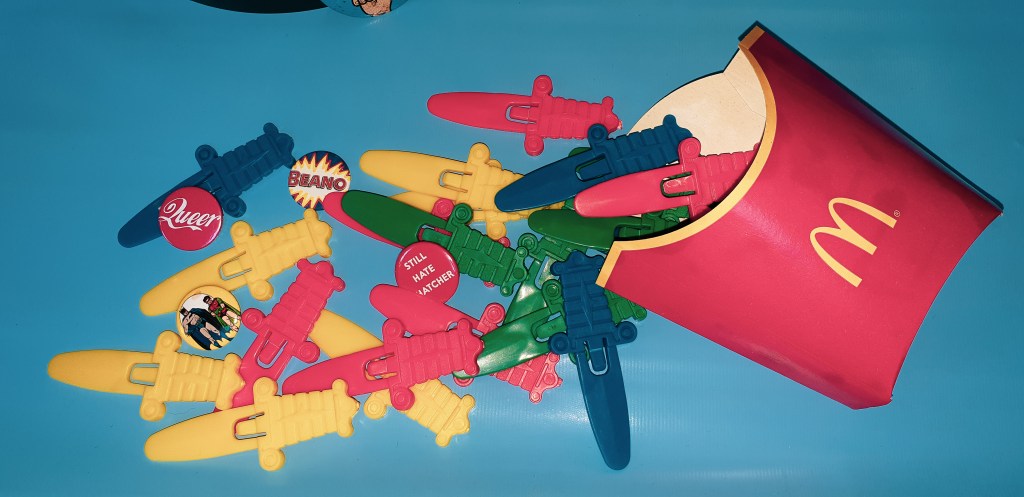
I’m by no means a drag artist and I don’t have any wacky clothes or makeup to use since I’m in lockdown but I created a little scene in response to the Ramsey’s Kitsch Nightmares and photographed it. The focus was more on the props and kitsch-ness rather than the fashion, kitchen and 4/20, but it was a fun little exercise to do as a break from my bigger projects.
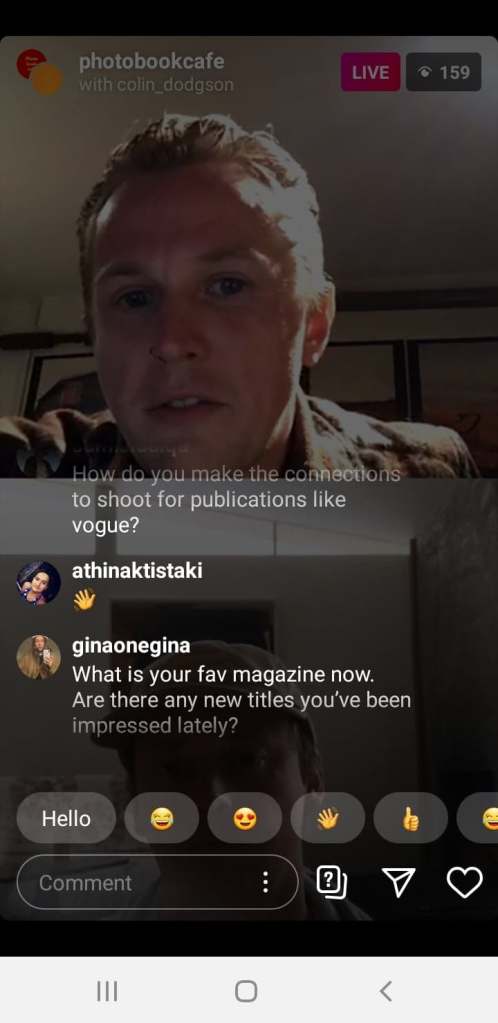
The Photobook Cafe – during lockdown instead of having their talks with visiting artists in their London venue they have been hosting them using Instagram Live, meaning I can access and interact from home.
Senior Lecturer at CSM, CSVPA & University of Brighton.
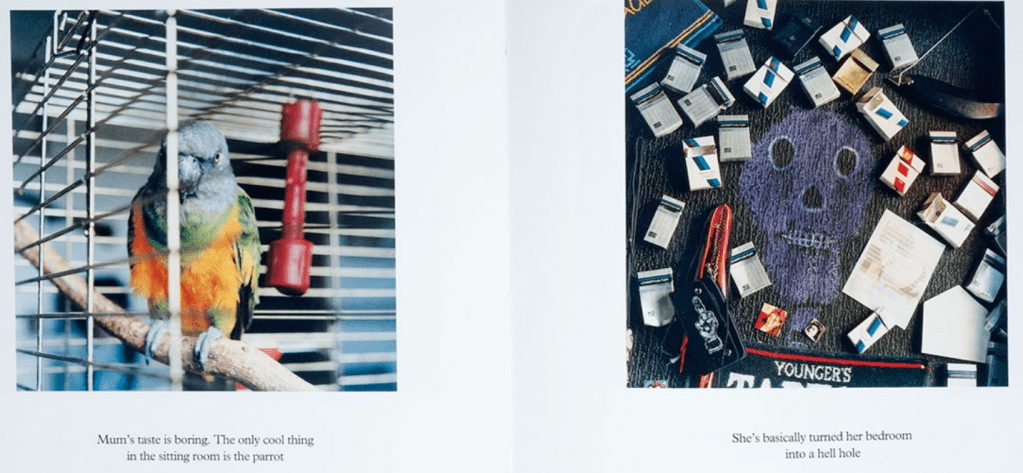
An intimate view documenting Tottenham football club 2013-2017. Title came from a Barry Manilow song fans sing at last game of every season. Shot from the hip. Edited around 4000 photos down to approx. 200.
Sequencing: started the book with the most action to catch attention, then followed a loose chronological sequence.
Can’t Smile Without You was self-published, Andersen raised money for publishing by selling his possessions, including his huge collection of CDs. £20,000 to publish and distribute all the copies.
Martin Andersen started snapping photos at Tottenham football club matches, then it formed into the project. He started by focusing on the fans themselves, but all the photos are in or around the stadium. He wanted to finish the project before old Tottenham stadium was shut down and replaced.
Kim Thue influenced how Andersen shot Can’t Smile Without You, then helped him when editing down the photos for the photo-book. Martin Andersen advised to get others to help edit your photographs as a fresh pair of eyes, they can see what works or not and why. As the photographer, you can be too influenced by the experience or moment you associate with a photo that may stop you seeing that the photograph itself is no good.
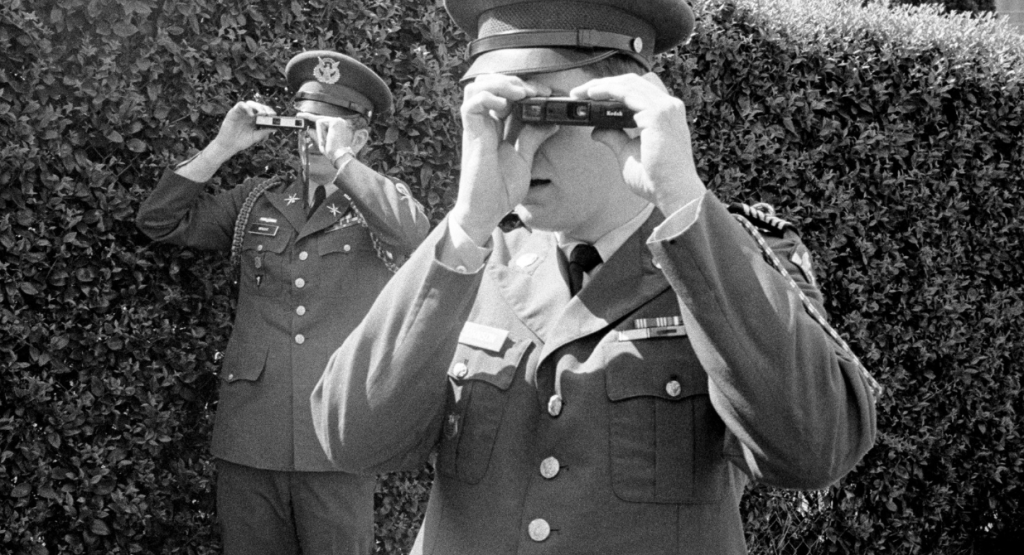
Some people were suspicious and unwelcoming of a photographer taking pictures. Andersen covered the bright logos on his digital camera with black tape and wore a plain black camera strap so his camera didn’t stand out but other than that he was open about carrying and shooting with his camera. Taking pictures of people in a public space is legal, and publishing them is legal as long as it is not used for advertising a product or service without permission.
The people he photographed and were excited to be in the photo-book, but didn’t make the final edit – Andersen put smaller thumbnail images of them compiled at the end of the book.
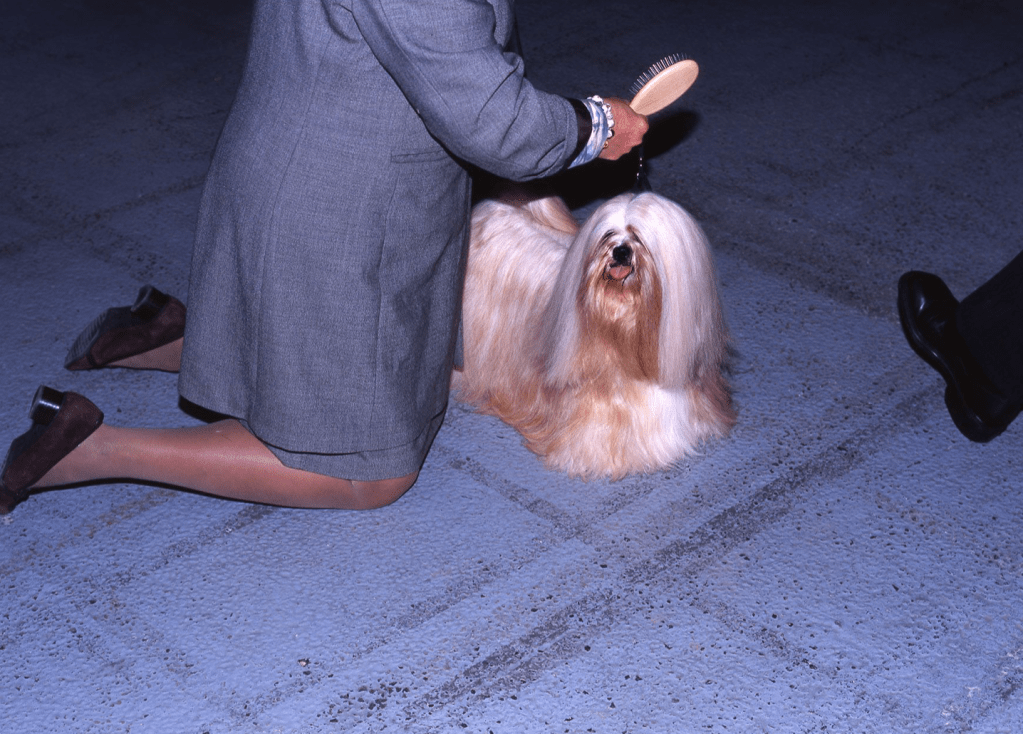
In lockdown Martin Andersen has been going through his archives to revisit old work such as the Dog Shows, taking portraits of his neighbours in Forest Hill, and reading books.
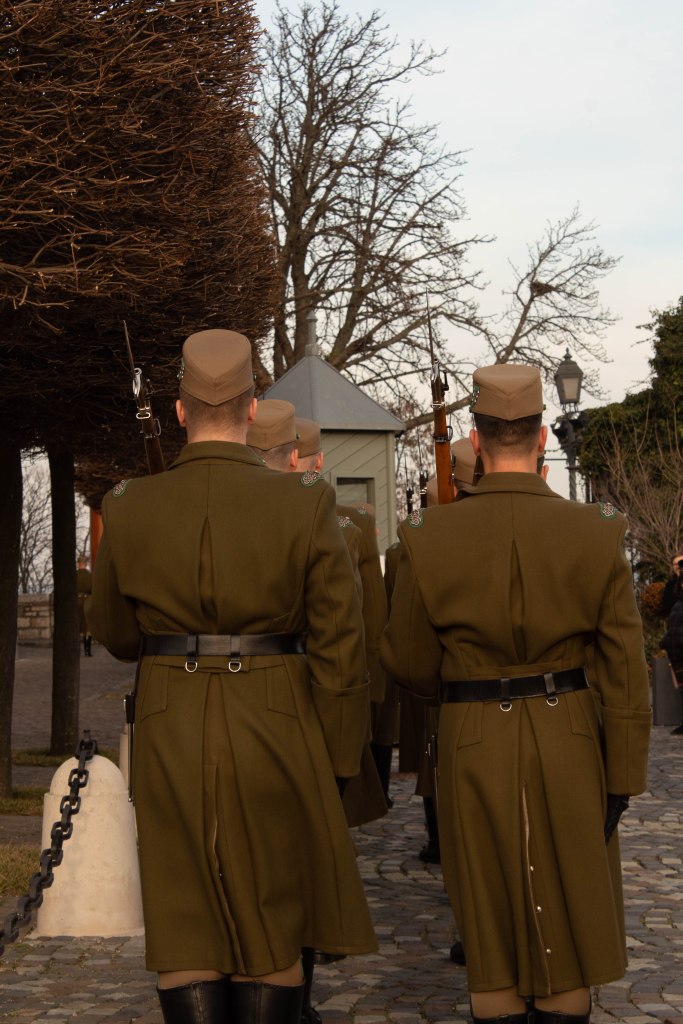
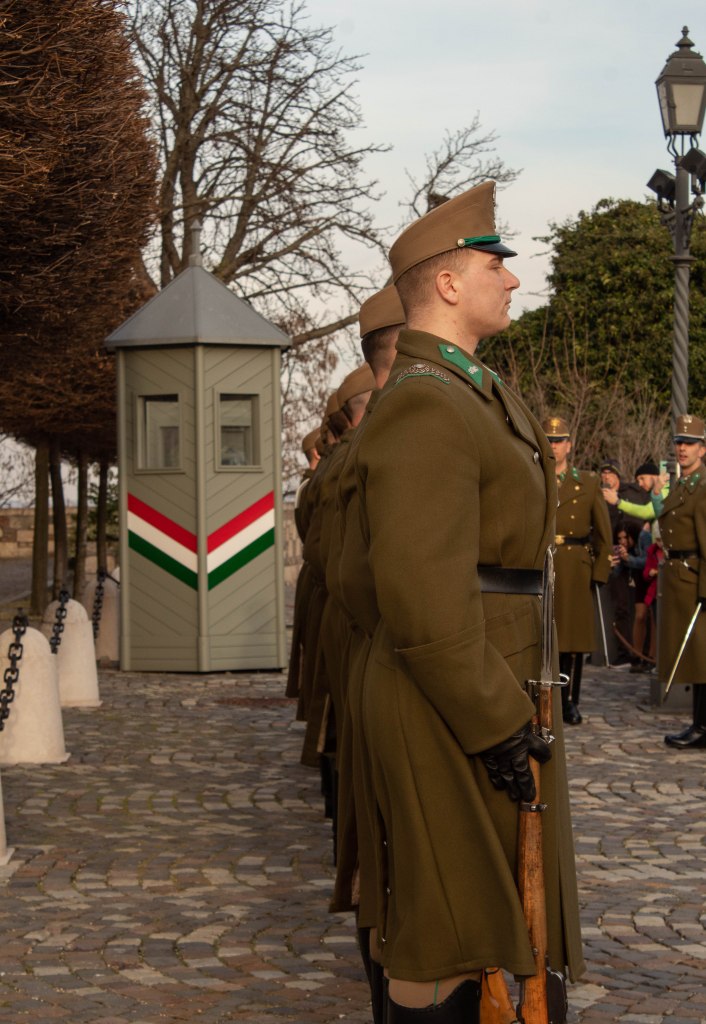
The theme ‘Masculinity’ jumped out to me immediately because it is a deep topic that I’m interested in exploring. I already had a few of my own recent photographs from Budapest that convey the theme of masculinity that I decided to go through and pick the one with most meaning and visually/technically “good”.
The group criticism was really helpful to narrow down which photograph I wanted to submit for the EIZO photography student award. The high expectation on men in Hungary to be very masculine was the most substanial and interesting concept that kept the groups interest. The feedback I got was that the anonymity of the people (facing away) added an interesting element of a repression of identity. Also, that it might work better as a series; to show these men from different angles to add a bit more of a narrative to this subject. It was a great oppurtunity to discuss these concepts with Roz from Miniclick Talks.
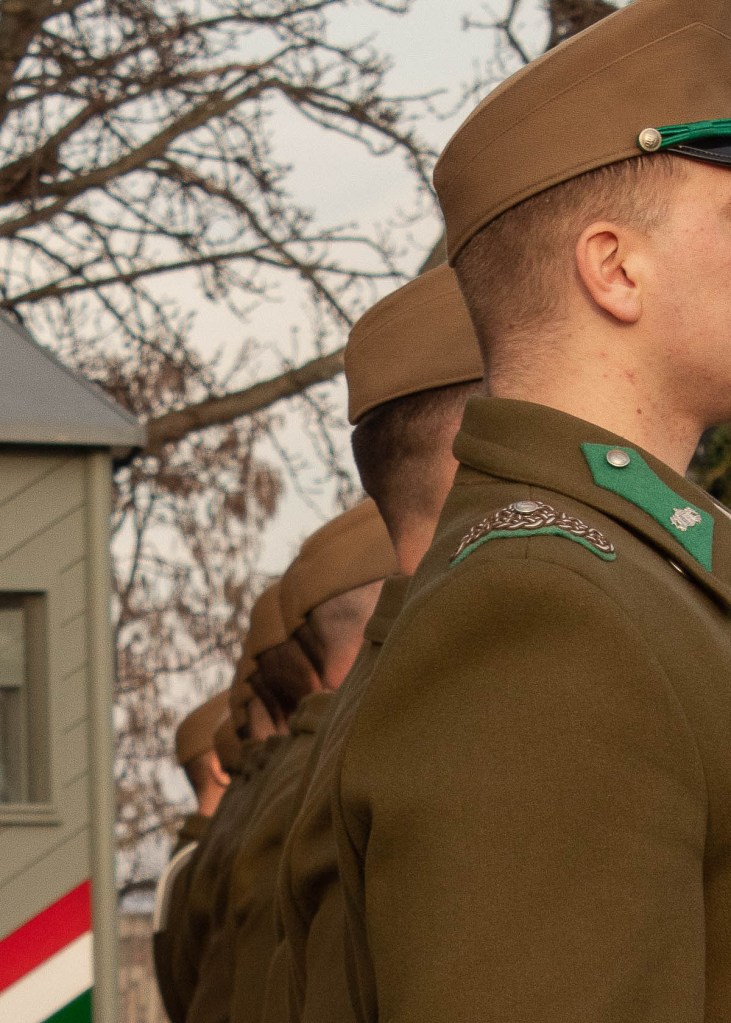
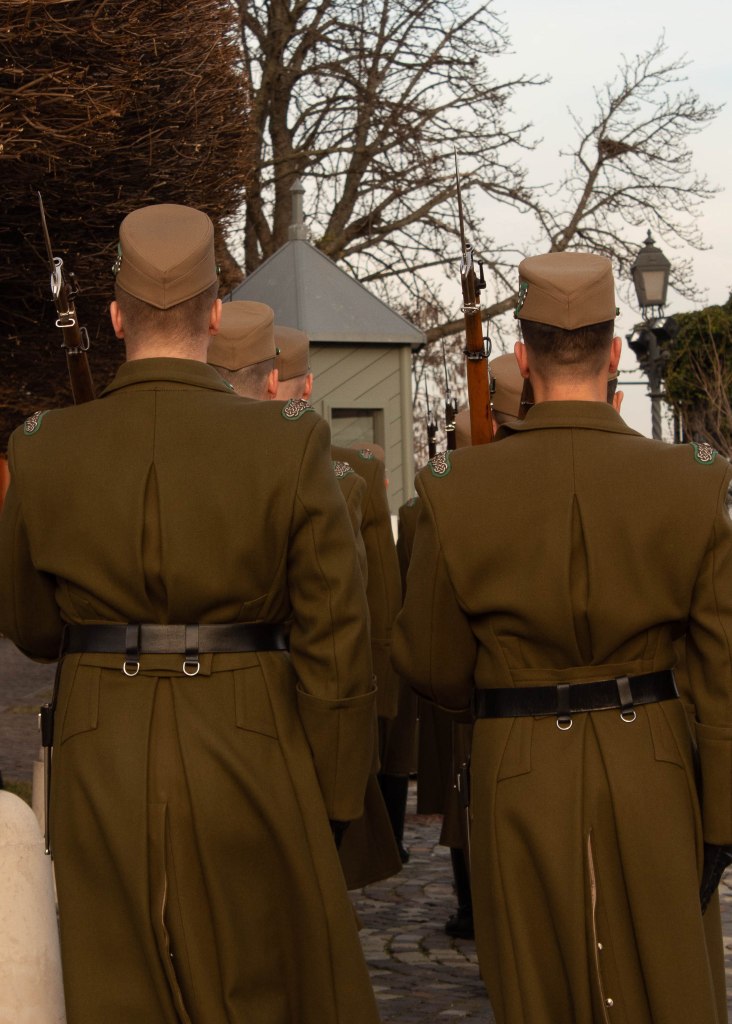
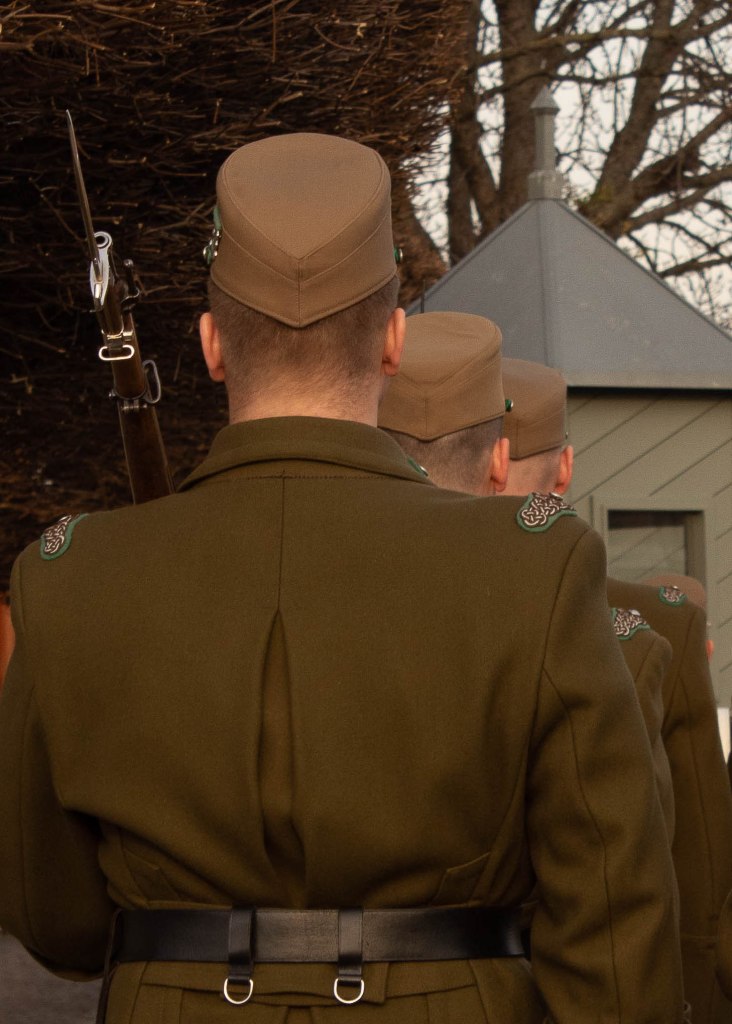
I revisited my archive to pick out more photographs of these Hungarian castle guards… only to find most of the images had become corrupted. So I could only use one more photograph to make a diptych instead of a series. This isn’t a complete negative because these two photographs show the strictness and uniformity of the expectation of masculinity, with complete absence of any feminity or neutral. Only showing two photographs is also symbolic of the limitation on self-expression.
Hofstede’s cultural dimensions theory. Masculinity is very high in Japan (95), and in European countries like Hungary, Austria and Switzerland influenced by German culture.
I decided to title this work Ellenőrzés which is a Hungarian word that can mean control, check, inspection, supervision. I liked the contradiction of the “elle” part of the word which most english or french speakers associate as a feminine word, further showing the cultural difference around masculinity.
From the perspective of someone living in the UK, being in Budapest felt like travelling back several years in terms of the stern expectation for men to be extremely masculine with complete absence of any femininity. Masculinity isn’t inherently bad, but there were toxic elements of it I felt being imposed on myself by some of the locals, including slurs directed at me, which reminded me of my experience of being in public in the UK some years ago.
According to Hofstede’s cultural dimensions theory the score of masculinity is higher in Hungary compared to the UK (approx. 88 in Hungary, 66 in UK), and the score of individualism is higher in the UK (approx. 80 in Hungary, 89 in UK).
The Hungarian Presidential Palace Guards summed up the strong masculine-dominated culture still present in Hungary; the uniformity, visible lack of individualism, absence of any femininity.
It may have been better to photograph the locals themselves, as these men are just doing their job. But I felt the visual of them performing the masculine spectacle of marching into line for an inspection was a reflection of the performative masculinity I saw in the local men and the pressure I felt to conform and act more masculine.
Ellenőrzés is a Hungarian word that can mean both inspection and control. I like the contradiction of the “elle” part of the word which English and French speakers recognise as a feminine word, further showing the cultural difference around masculinity.
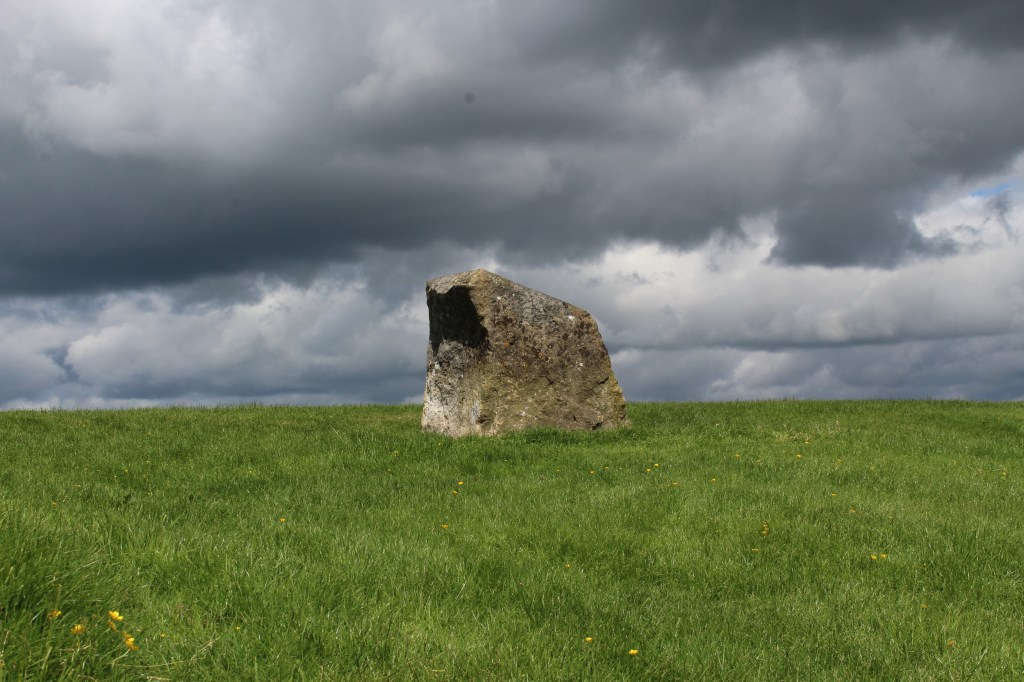
I was also interested in the theme ‘Space’because I make use of space in a lot of my compositions; usually favouring empty space to draw the eye to the focus of the photo without distraction. I chose one of my favourite photographs that I could submit under this theme, purely based on its aesthetic appeal and empty space within the frame.
Feedback from the group crit: visually strong image. The lack of context for scale is interesting – it’s hard to tell how big the space and the rock is in comparison to each other.
The Photobook Cafe – during lockdown instead of having their talks with visiting artists in their London venue they have been hosting them using Instagram Live, meaning I can access and interact from home.
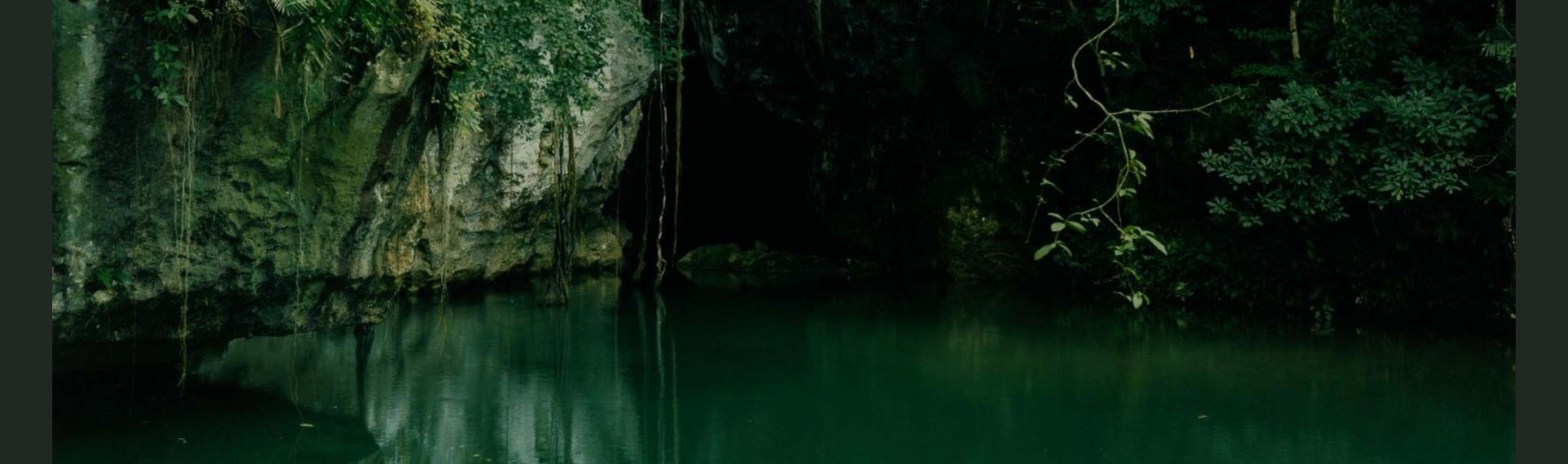
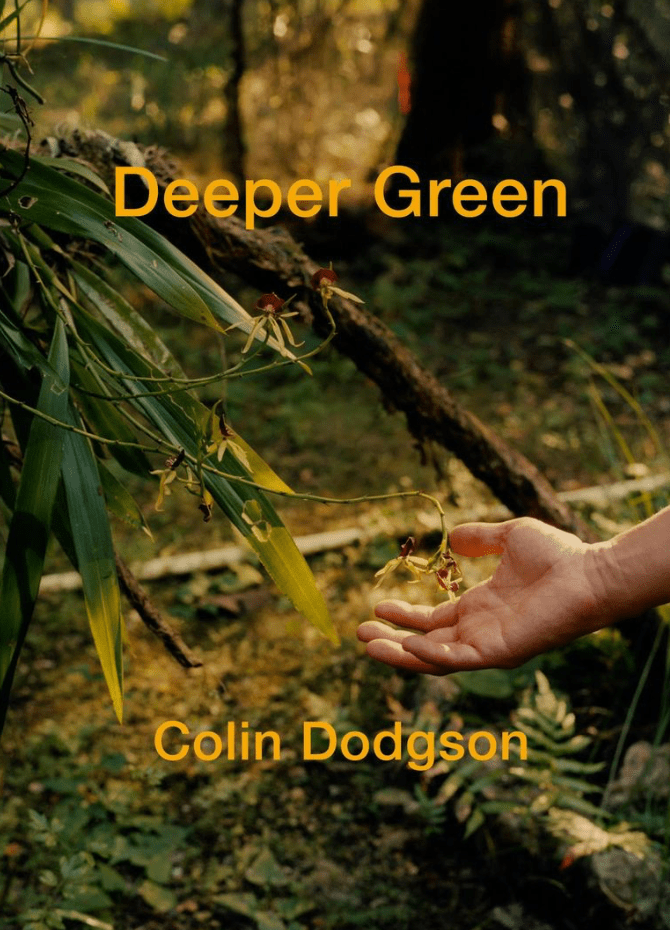
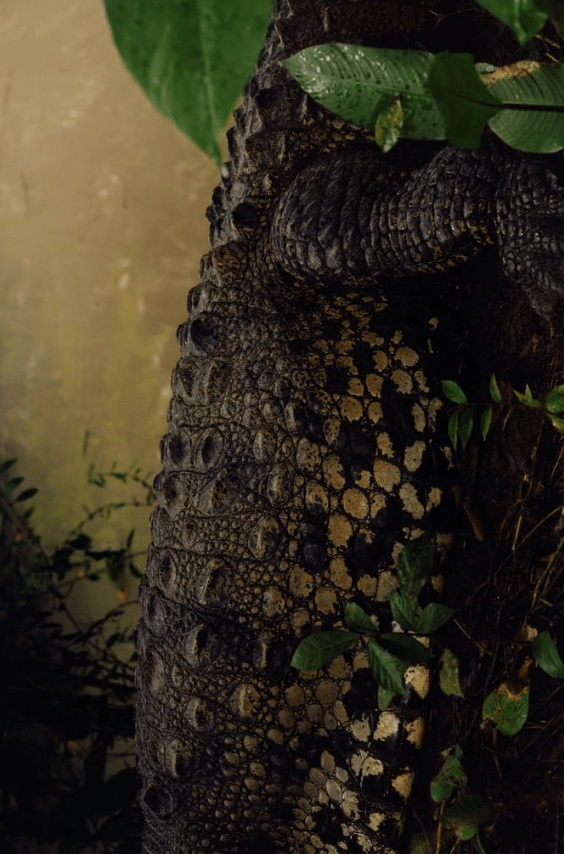
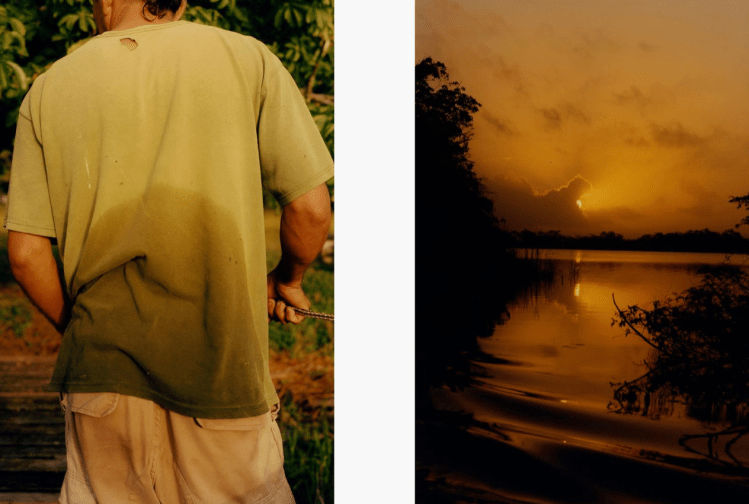
Colin Dodgson created the photo-book ‘Deeper Green’ in collaboration with the World Land Trust. They feature photographs of Belize showing the sustainability and conservation efforts of organisations Corozal Sustainable Futures Initiative and Programme for Belize. All profits from the book are donated to the World Land Trust.
I love the visual style of his photographs and how intimate they are. The small details give insight to why conservation efforts are important (the beautiful landscapes and wildlife) and the efforts of the volunteers (the sweat on their backs, showing what they have achieved).
Colin Dodgson uses a mix of 35mm and medium format film. He takes inspiration from nature, surfing, music and simple things like going to the supermarket.
He is currently based in London but used to live and work in NYC.
He recommended it was more important to understand your own work and style before you try and sell it: “Focus on making your work unique and interesting and the commercial work opportunities will come to you.”
Dodgson predicts that self-published print publications will boom again during and after lockdown – just like in the 2008 recession. He encouraged everyone not be discouraged and to keep shooting film until its possible to go develop and process it and make prints again after lockdown.
I asked Colin Dodgson: How did working with World Land Trust affect you and your practice? His answer: Right after his family lost their house in a wildfire, helping to expedite it developed his thought process. The natural world interplays with his work and by working with WLT he learnt how and realised this. Working with a charity is helpful for both parties – the photographer can create good photographs for their portfolio and for a cause they believe in, they learn from this experience. While the charity gets exposure and donation from the profits of the photobook.
Artists that inspire & influence Colin Dodgson’s work:
MATT WILLIAMS (CURATOR) – Yuko Mohri (2018)
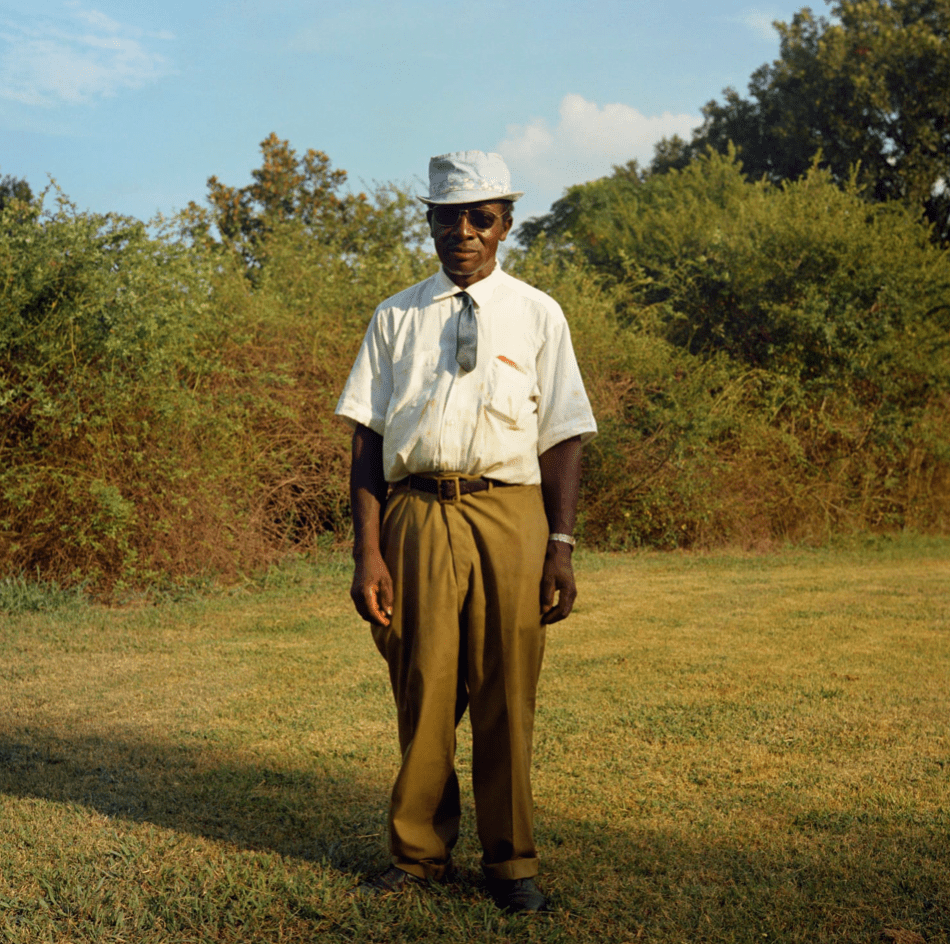
WILLIAM EGGLESTONE (PHOTOGRAPHER) – Untitled (1977)
JOHN DIVOLA (PHOTOGRAPHER) – Theodore Street (2012)
EDWARD QUARMBY (COMMERCIAL ARTIST) – #mycalvins (2019)
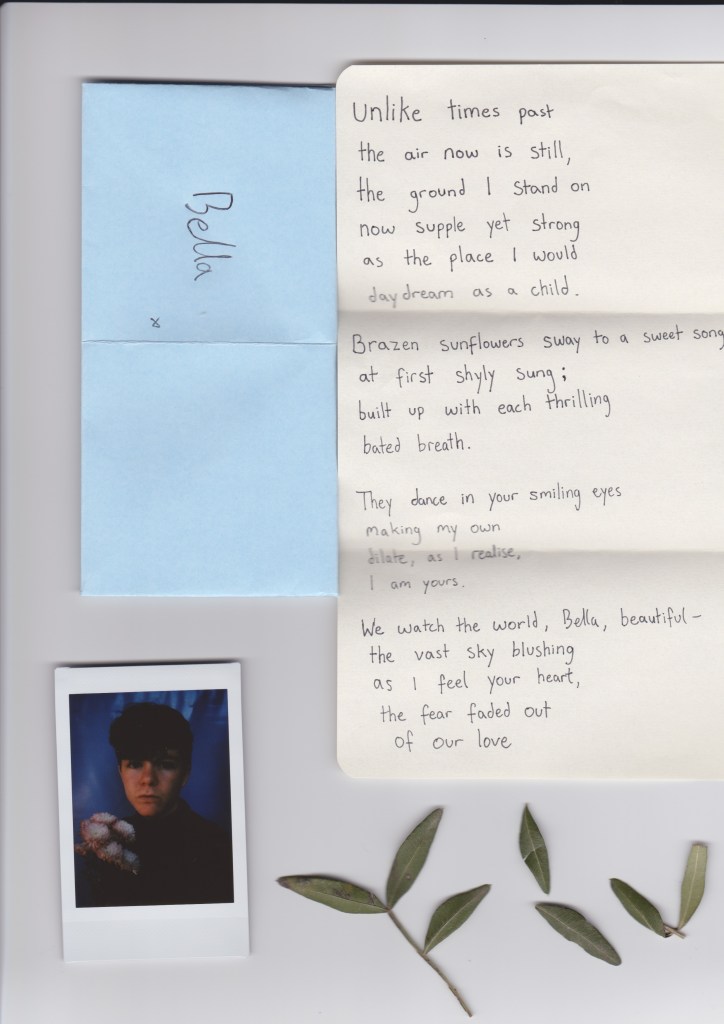
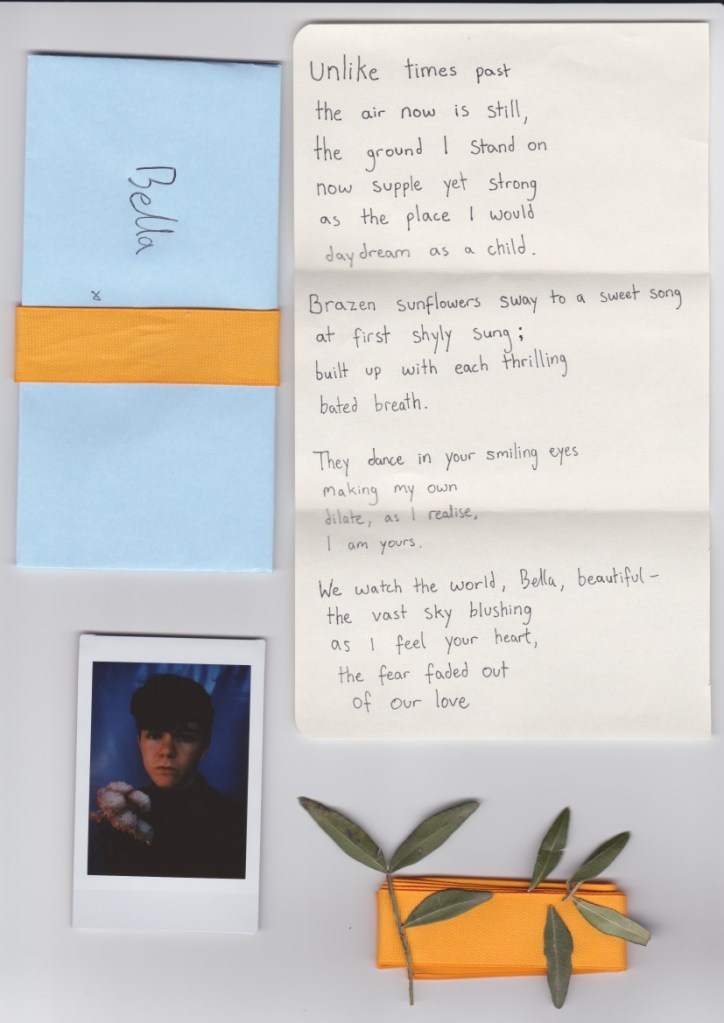
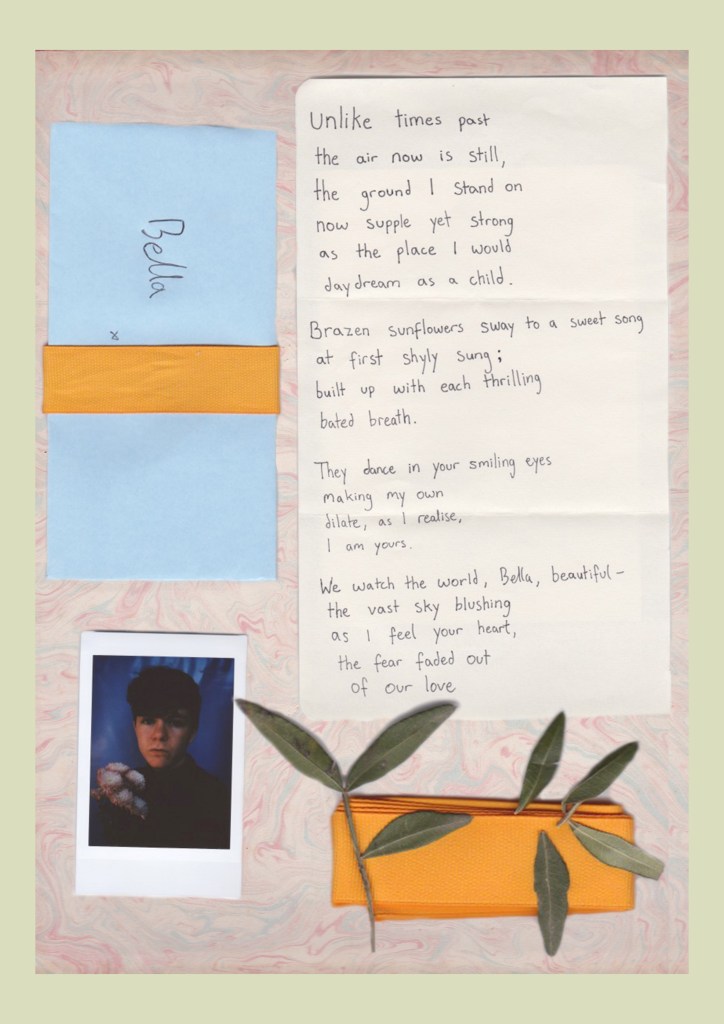
Nationwide lockdown has been challenging for all personal and professional relationships. Me being a bit of a closeted romanticist I wanted to make a piece using the materials and equipment I have available in the house to be able send a very personal and embarassingly lovey-dovey poem paired with photographs in the post.
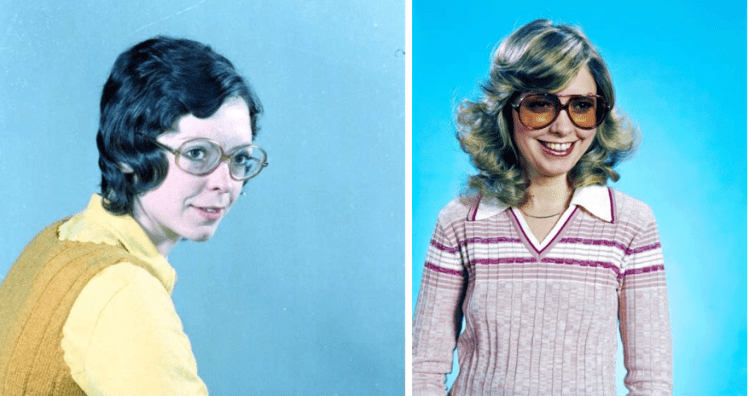
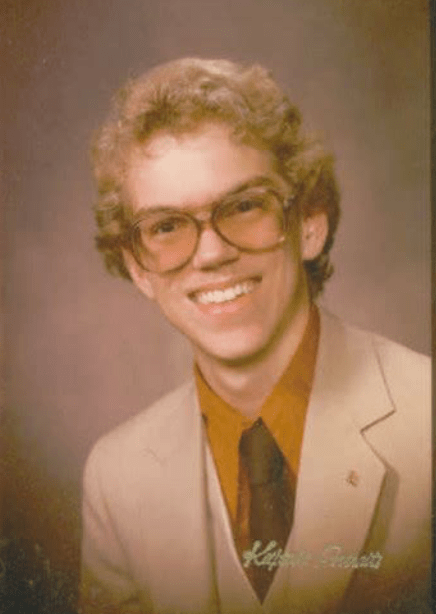
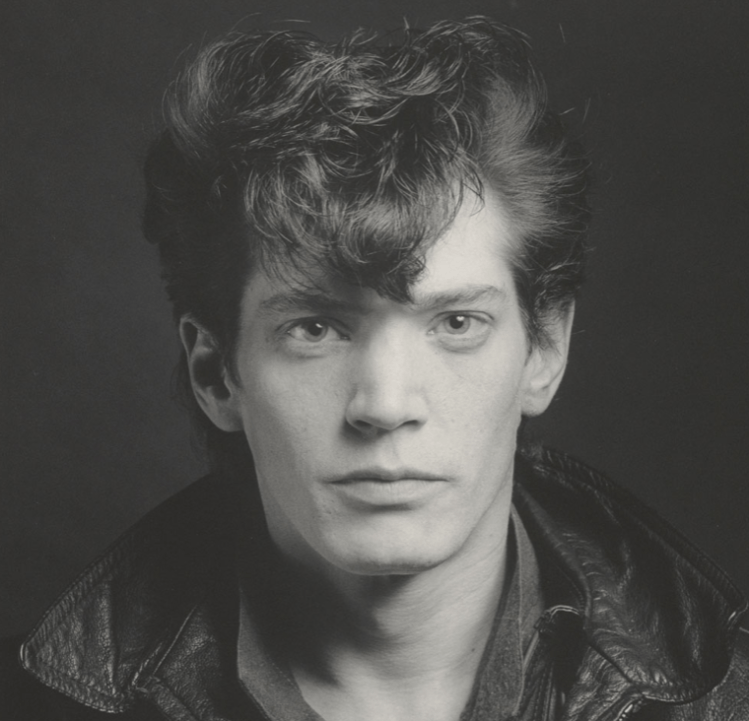
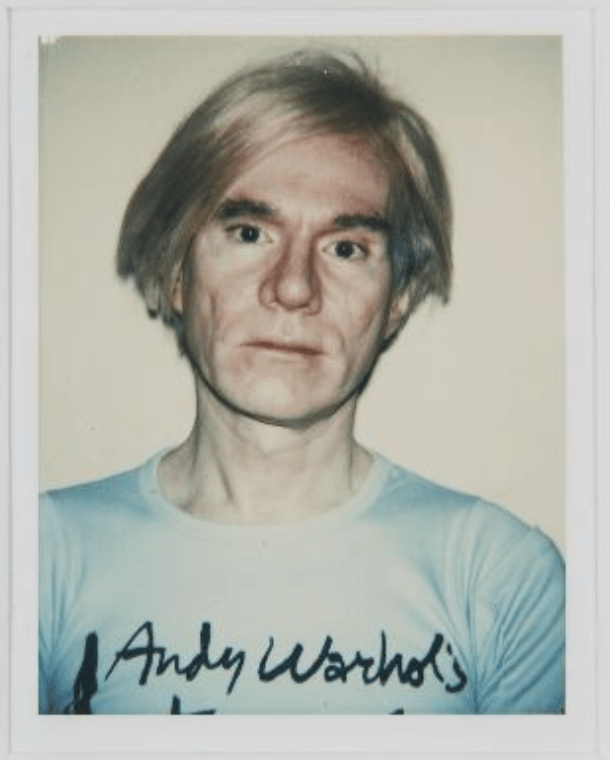
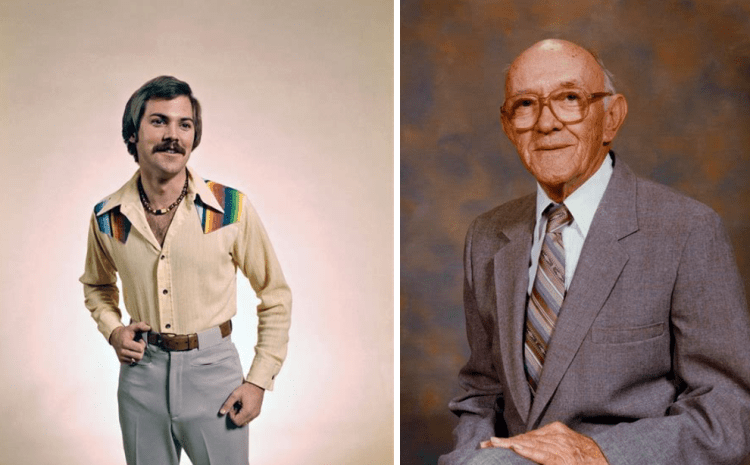
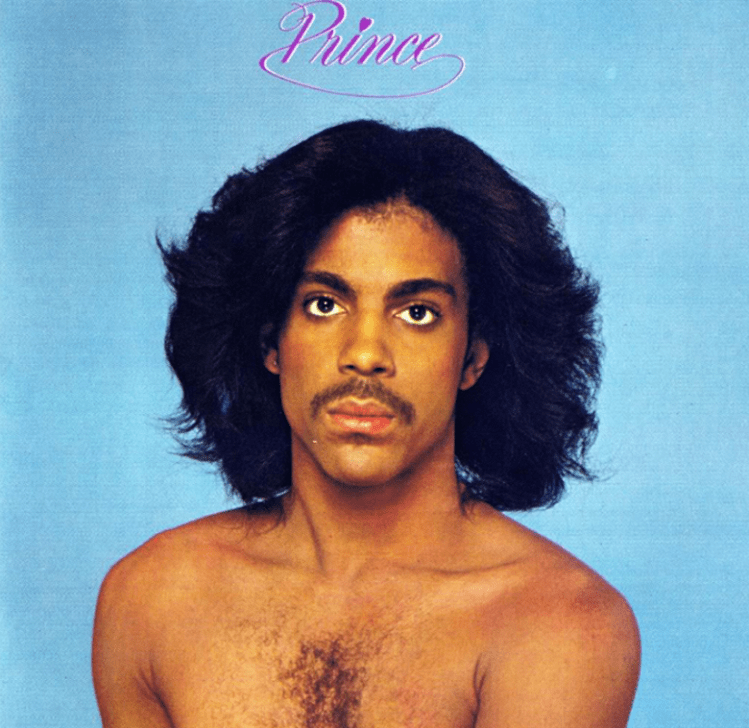
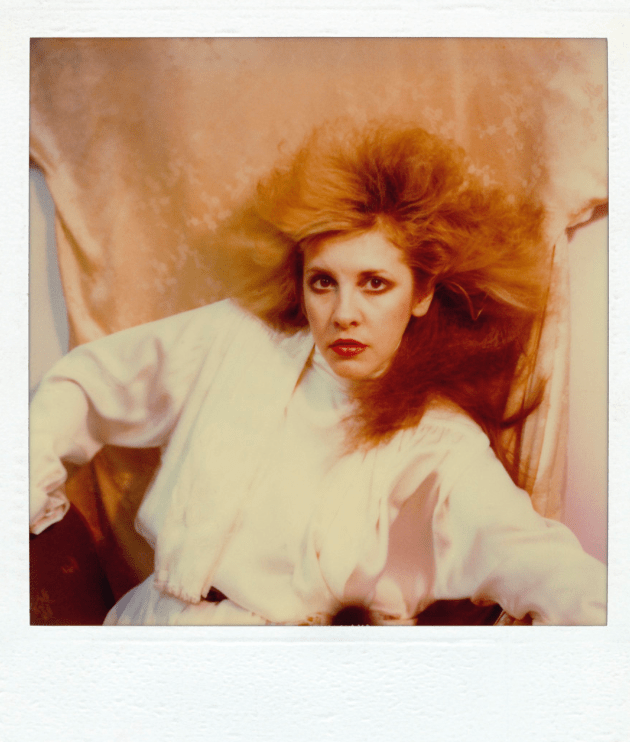
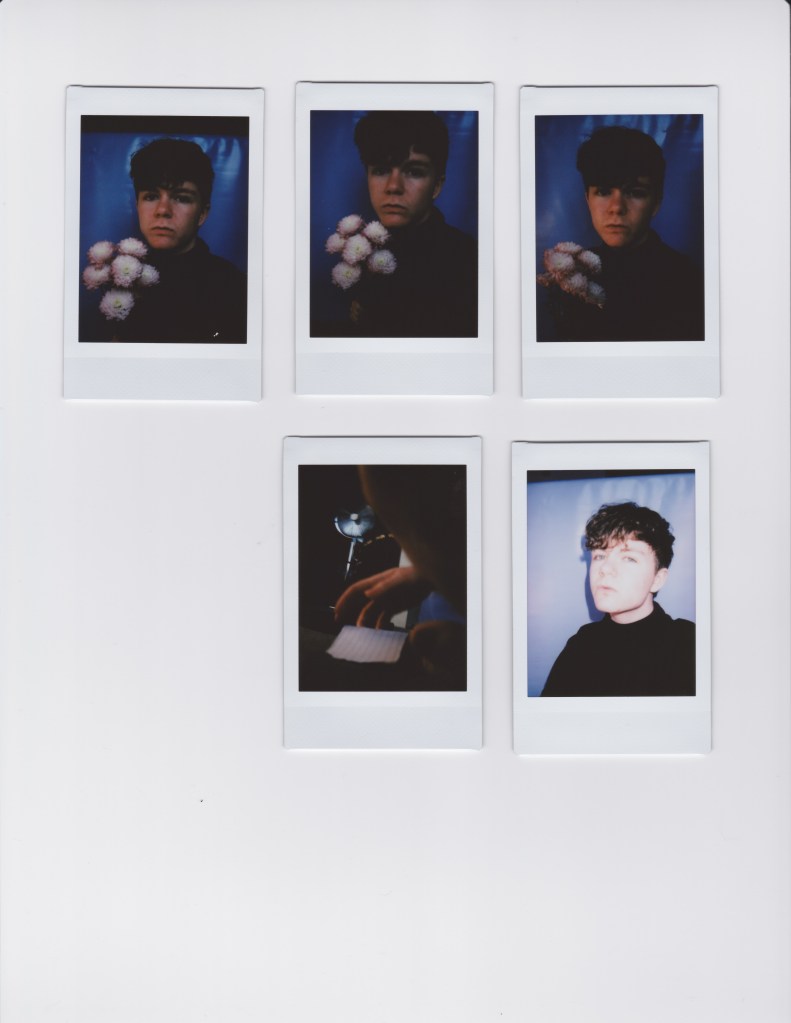
My initial inspiration were studio portraits taken on those sky blue backgrounds from about the 70s-80s, they are so common but classic for the time and I had a blue backdrop I’ve been wanting to use – its more playful and nostalgic than the classic white backdrop. I wanted the composition to be very simple – close and direct to the camera, like school pictures. I do not have a working printer at home so I made use of my polaroid camera. I looked at Andy Warhol’s and Stevie Nicks’s polaroid self portraits and decided that the aesthetic would be very different to what I had initially planned. Without the right lighting and printer I will have to wait another day to create a portrait similar to those.
I taped translucent paper over part of the flash bulb on my polaroid camera so my features weren’t completely washed out with light. I wrote out the poem and made a hand-folded envelope from blue card. After creating these I used a scanner to create different compositions with all the materials and added different elements to experiment such as; ribbon, leaves, marbled paper, pages of the works of Shakespeare.
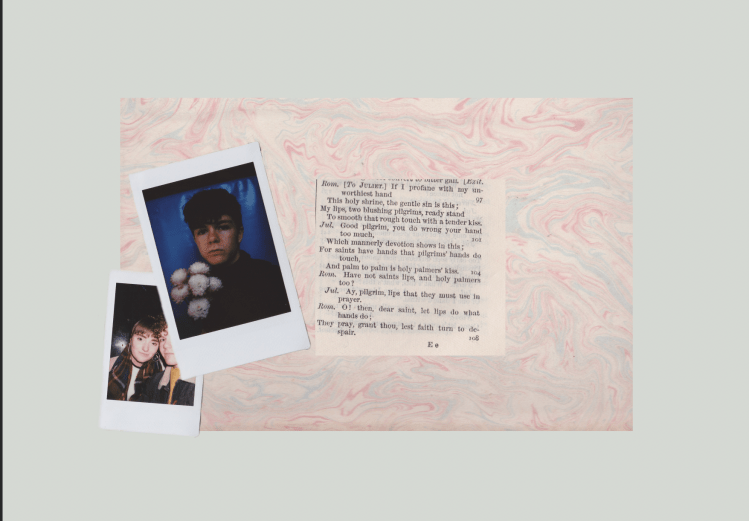
After sending off the envelope in the post, I used the scanned images to create more compositions in Adobe Photoshop by adding more layers and highlighting certain aspects, and also by taking away certain elements leaving more simplistic images.
I’d call this my final digital version of this piece, as the physical piece (true final piece) no longer belongs to me after sending it off. I used the composition I created using the scanner, but added the marbled paper as a backdrop surface and framed it with a soft green colour to emphasise the references to nature in the poem. I wanted to avoid the typical romantic colours like pink and red and emphasise the more innocent, peaceful and homely aspects of a romantic relationship.
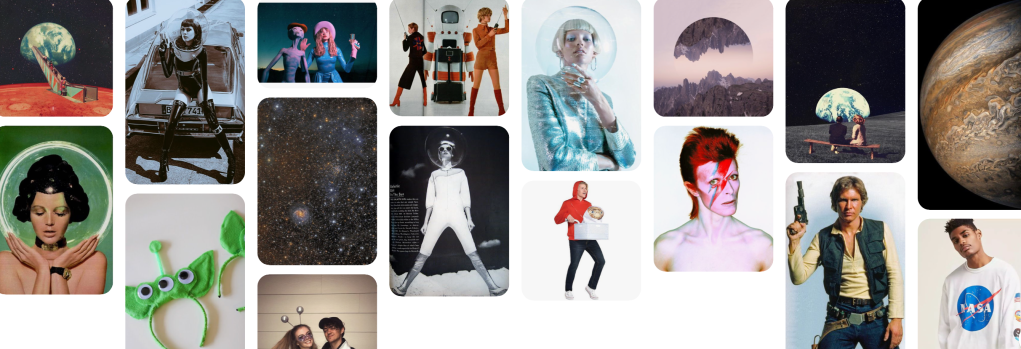
I spotted a leaflet for an open call for ‘ASTEROID’ magazine and I found it appealing because I’ve been wanting to do a space-themed photoshoot because I love the wacky visuals and scenes you can create, and it would be a fun shoot to collaborate with others on. The inspiration they posted for this open call is something that would appeal to me if I saw it in a magazine or a gallery and I wanted to create something similar.
An added requirement is to use sustainably sourced clothing such as thrifted items or made by fashion students. Also androgynous models are preferred. Using sustainably sourced garments has made it easier in terms as flexibilty for throwing spacey items together to explore a quirky style. I’m more than happy to use an androgynous model, especially considering the theme, as space and sci-fi often feature androgynous folk, and bend gender stereotypes; like Ziggy Stardust or the genderless J’naii race in Star Trek. As a queer artist, I enjoy messing with gender presentation and photographing it.
As a photographer, the image and meaning of the image itself is priority for me, but for this I must also consider the fashion aspect of this, because ‘ASTEROID’ is a fashion & art magazine. To me this means a commericial aspect to how I should intend my work to be seen; as even though it is art, fashion is often about selling a garment, and to a furthur extent a desirable lifestyle.
visual inspiration
I had planned to use an androgynous friend as a model and play with makeup and fabrics/props/clothes to create an outer space look inspired by my visual research and experiment with kitsch or dry natural environment (long dry yellow grass) locations. I had planned to experiment with collage elements in post-production.
However due to the nationwide lockdown and social distancing measures, I ended up using myself as a model and creating collaged scenes using old and new photographs, original and sourced material in Adobe Photoshop.
Photoshoot for ASTEROID
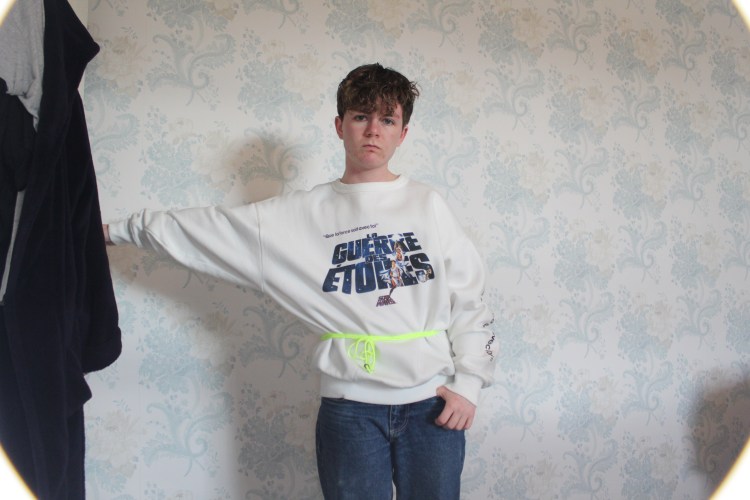
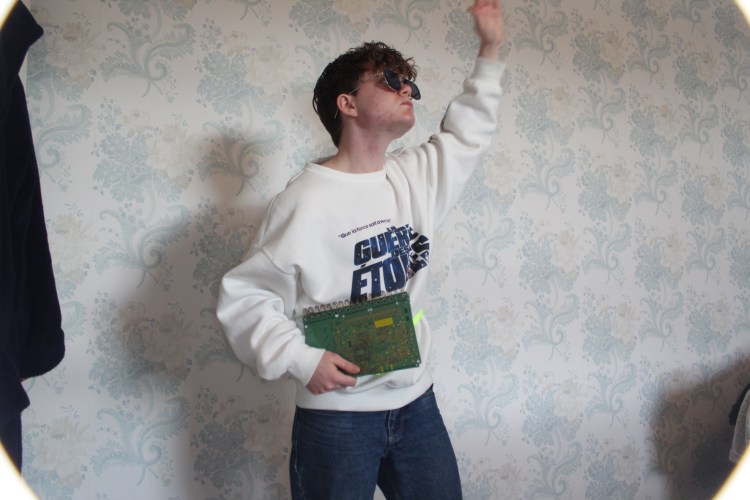
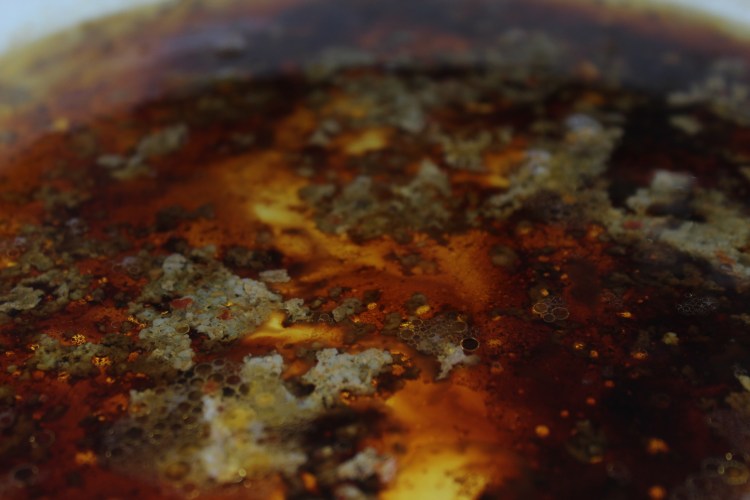
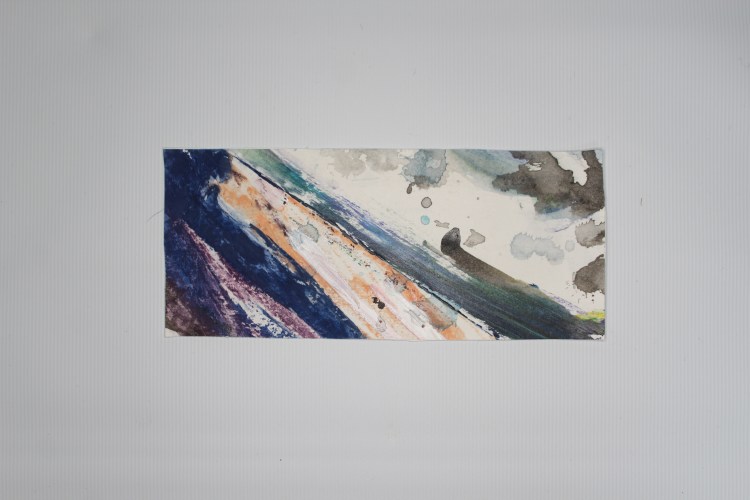
I used stuff I had available to me to make the spaciest outfit I could: Star Wars sweatshirt, neon string, sunglasses and a notebook made out of recycled circuit boards. It was odd to shoot myself in weird positions as if I were in space but I tried to have fun with it. I photographed a round mirror, a small painting I did, and the fatty grease floating around a frying pan I’d left to soak.
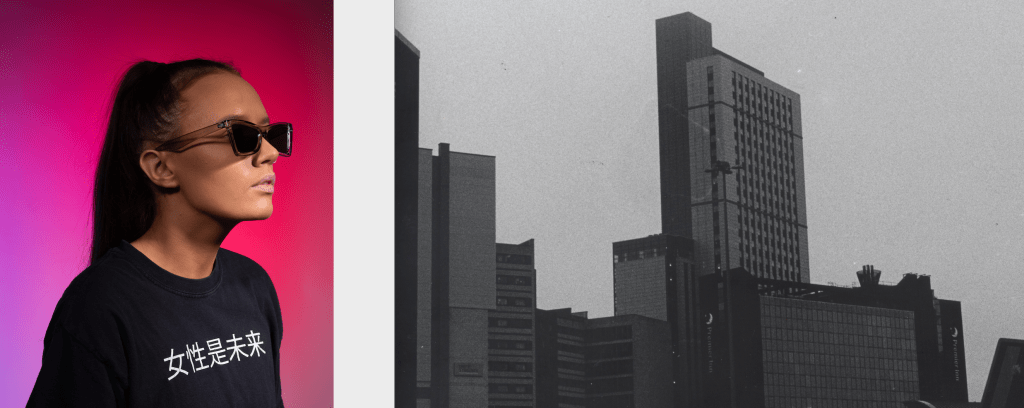
As a different model I used an unused portrait from my Studio Portrait Module, and shots of buildings from my Darkroom Module. I also sourced images labelled for reuse on the internet. I used all these elements to experiment with creating collaged outer-space scenes in Photoshop. I was mostly just playing at first, but I narrowed the refined the compositions and used my visual research to mix the textures and colours of images used to match that retro collage aesthetic.













































 oliverclarkephotoppp1