

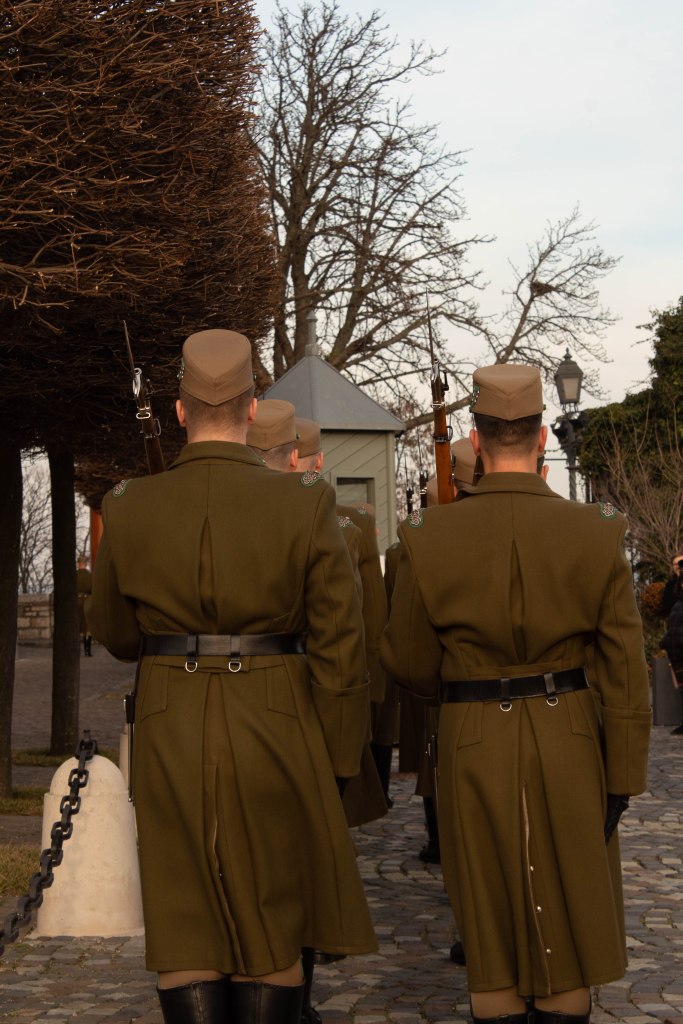
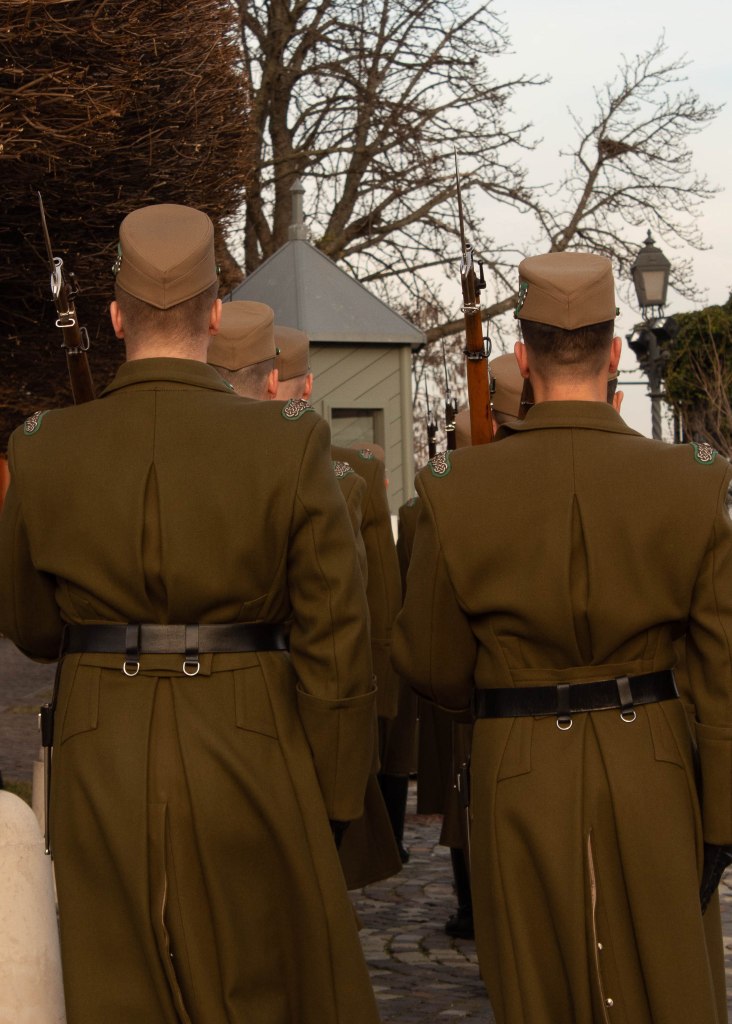
The theme ‘Masculinity’ jumped out to me immediately because it is a deep topic that I’m interested in exploring. I already had a few of my own recent photographs from Budapest that convey the theme of masculinity that I decided to go through and pick the one with most meaning and visually/technically “good”.
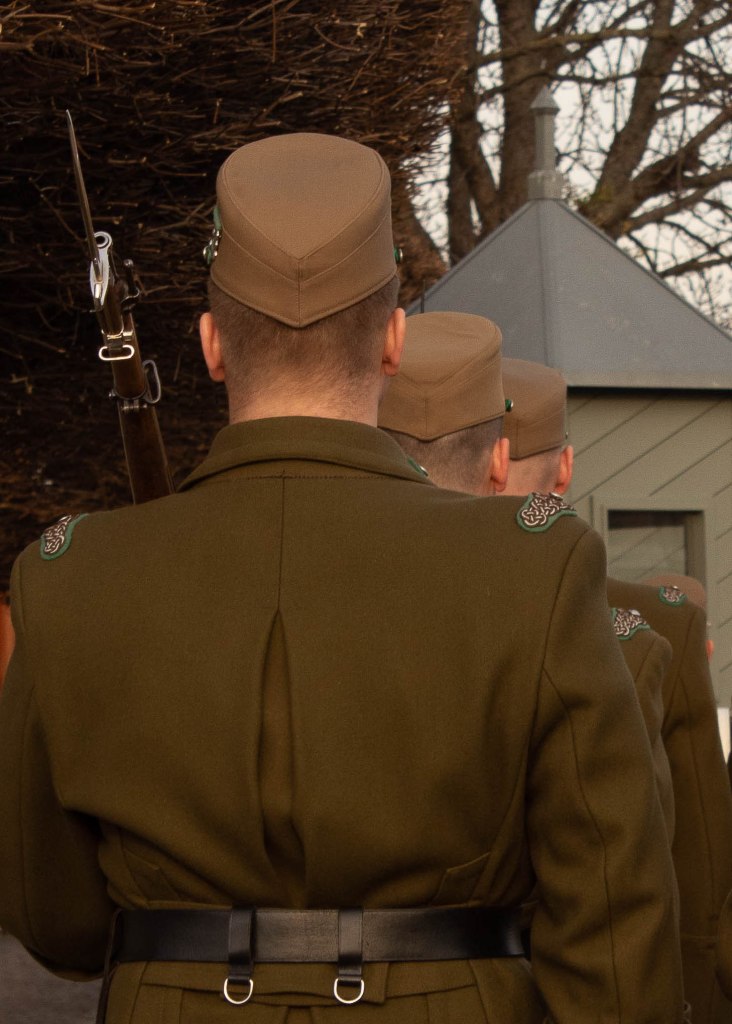
The group criticism was really helpful to narrow down which photograph I wanted to submit for the EIZO photography student award. The high expectation on men in Hungary to be very masculine was the most substanial and interesting concept that kept the groups interest. The feedback I got was that the anonymity of the people (facing away) added an interesting element of a repression of identity. Also, that it might work better as a series; to show these men from different angles to add a bit more of a narrative to this subject. It was a great oppurtunity to discuss these concepts with Roz from Miniclick Talks.
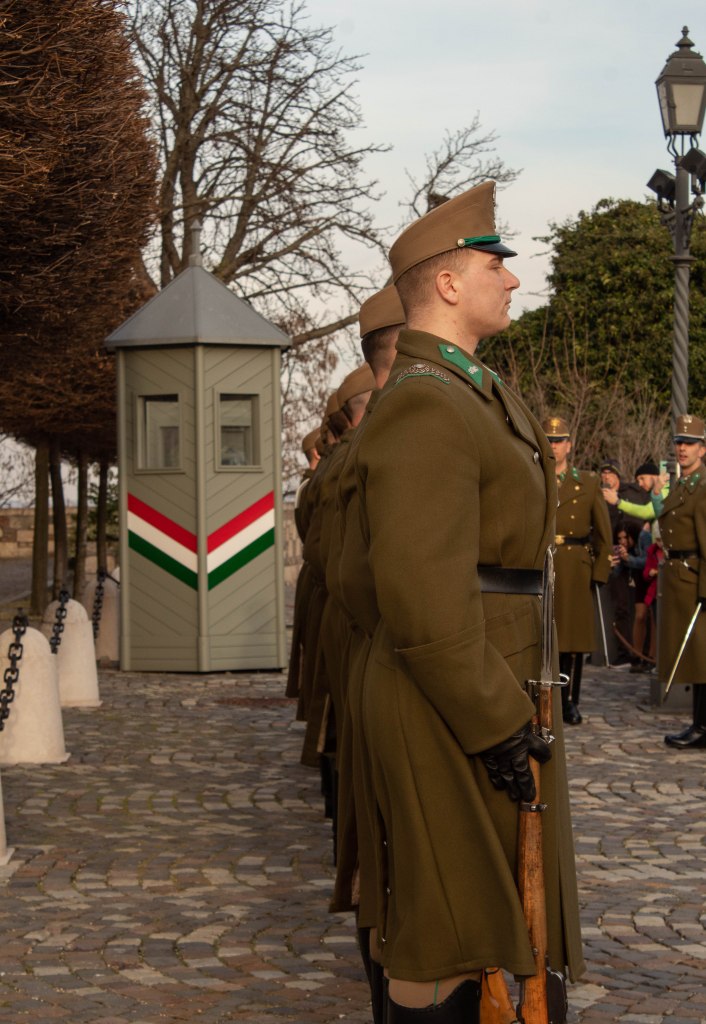
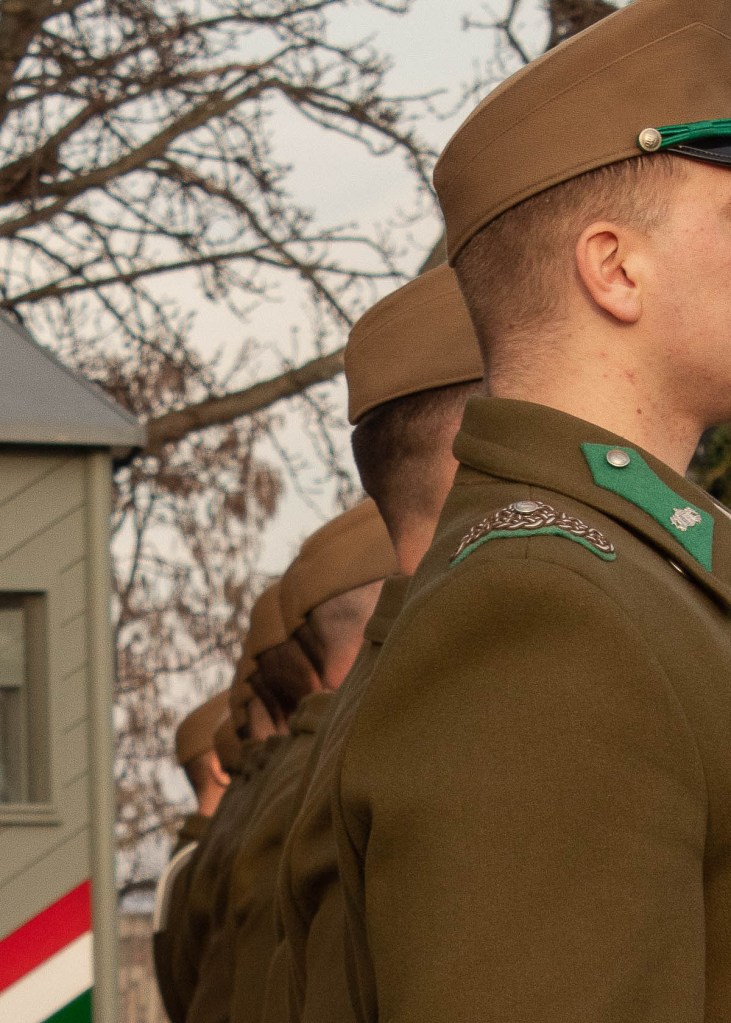
I revisited my archive to pick out more photographs of these Hungarian castle guards… only to find most of the images had become corrupted. So I could only use one more photograph to make a diptych instead of a series. This isn’t a complete negative because these two photographs show the strictness and uniformity of the expectation of masculinity, with complete absence of any feminity or neutral. Only showing two photographs is also symbolic of the limitation on self-expression.

Hofstede’s cultural dimensions theory. Masculinity is very high in Japan (95), and in European countries like Hungary, Austria and Switzerland influenced by German culture.
I decided to title this work Ellenőrzés which is a Hungarian word that can mean control, check, inspection, supervision. I liked the contradiction of the “elle” part of the word which most english or french speakers associate as a feminine word, further showing the cultural difference around masculinity.
From the perspective of someone living in the UK, being in Budapest felt like travelling back several years in terms of the stern expectation for men to be extremely masculine with complete absence of any femininity. Masculinity isn’t inherently bad, but there were toxic elements of it I felt being imposed on myself by some of the locals, including slurs directed at me, which reminded me of my experience of being in public in the UK some years ago.
According to Hofstede’s cultural dimensions theory the score of masculinity is higher in Hungary compared to the UK (approx. 88 in Hungary, 66 in UK), and the score of individualism is higher in the UK (approx. 80 in Hungary, 89 in UK).
The Hungarian Presidential Palace Guards summed up the strong masculine-dominated culture still present in Hungary; the uniformity, visible lack of individualism, absence of any femininity.
It may have been better to photograph the locals themselves, as these men are just doing their job. But I felt the visual of them performing the masculine spectacle of marching into line for an inspection was a reflection of the performative masculinity I saw in the local men and the pressure I felt to conform and act more masculine.
Ellenőrzés is a Hungarian word that can mean both inspection and control. I like the contradiction of the “elle” part of the word which English and French speakers recognise as a feminine word, further showing the cultural difference around masculinity.


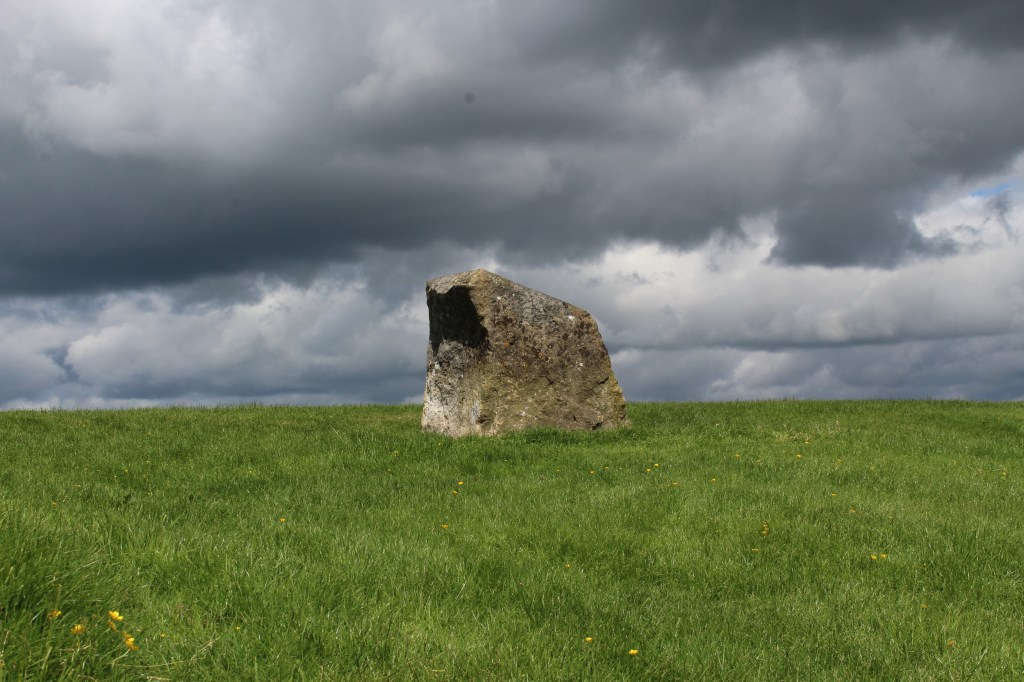
I was also interested in the theme ‘Space’ because I make use of space in a lot of my compositions; usually favouring empty space to draw the eye to the focus of the photo without distraction. I chose one of my favourite photographs that I could submit under this theme, purely based on its aesthetic appeal and empty space within the frame.
Feedback from the group crit: visually strong image. The lack of context for scale is interesting – it’s hard to tell how big the space and the rock is in comparison to each other.
 oliverclarkephotoppp1