
THE PHOTOJOURNALIST ROBERT CAPA
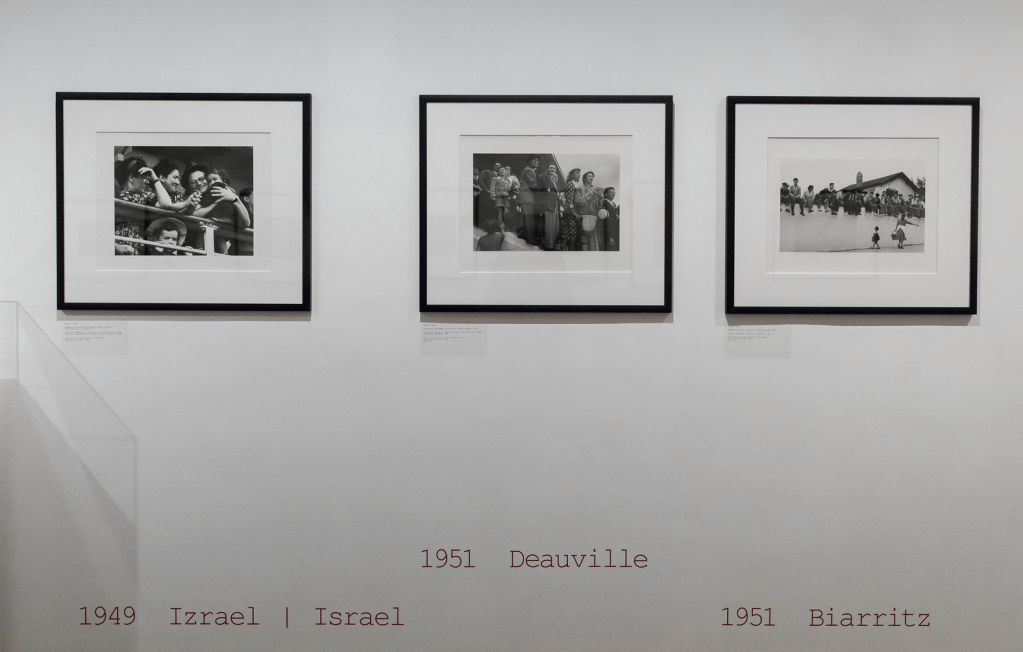
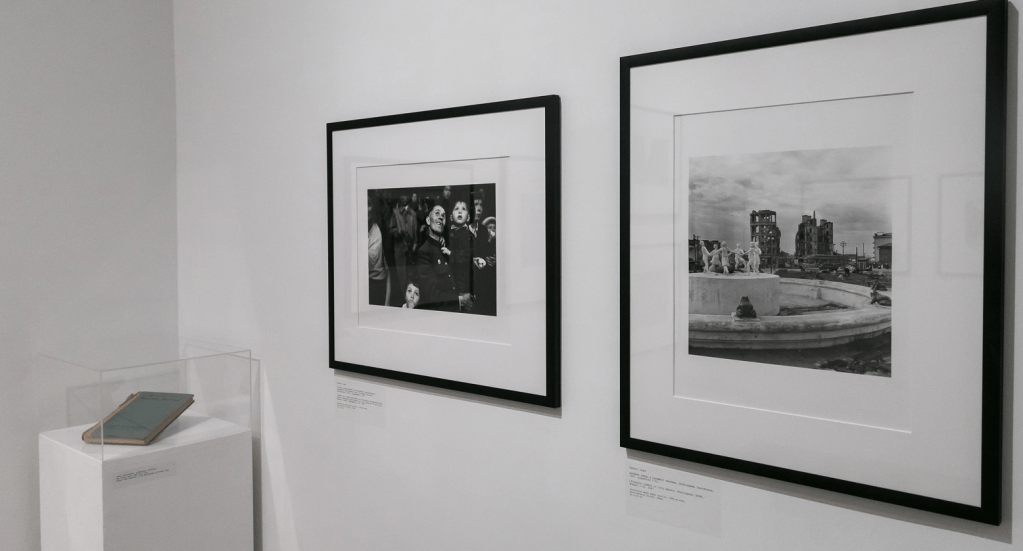

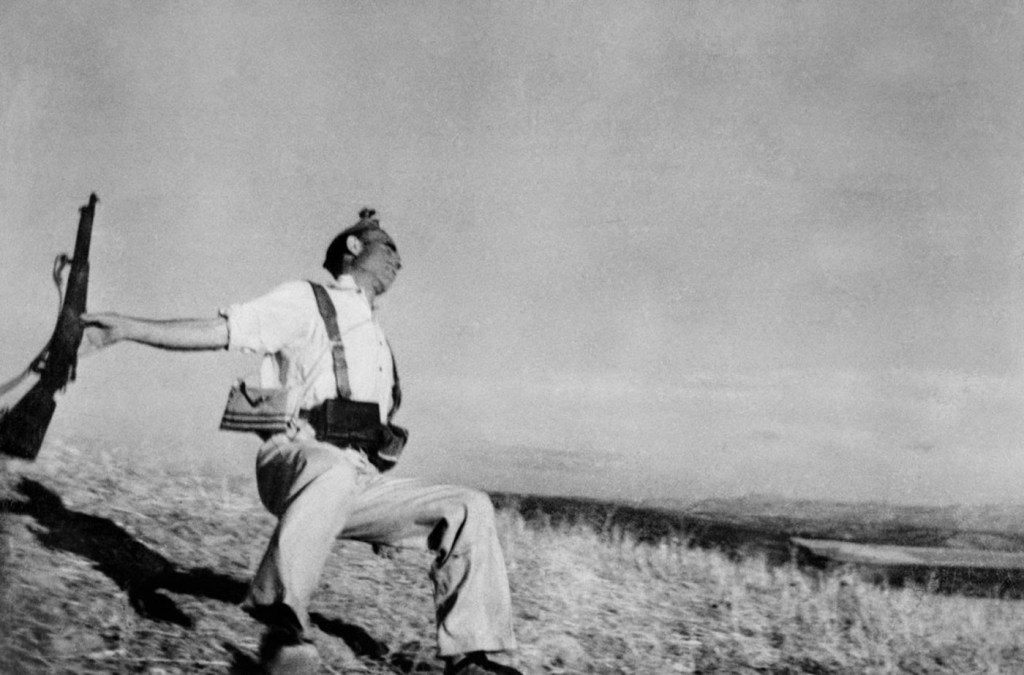
I recognised some of Robert Capa’s iconic photographs but had never known the name of the photographer. I find his photographs very moving and like a window to that moment in time, especially paired with the context of the time and place. His photographs put faces and emotions to the wartimes he photographed. It was amazing to see the photographs leading up to and after his more iconic photographs, showing the effectiveness of narrative flow in a series of photographs.
As someone interested in pursuing photojournalism or documentary photography, I found this work awe-inspiring and motivating to capture moments in time to communicate a story and reflect reality, while considering creative elements such as composition.

PÉCSI JÓZSEF PHOTOGRAPHY GRANT 2019
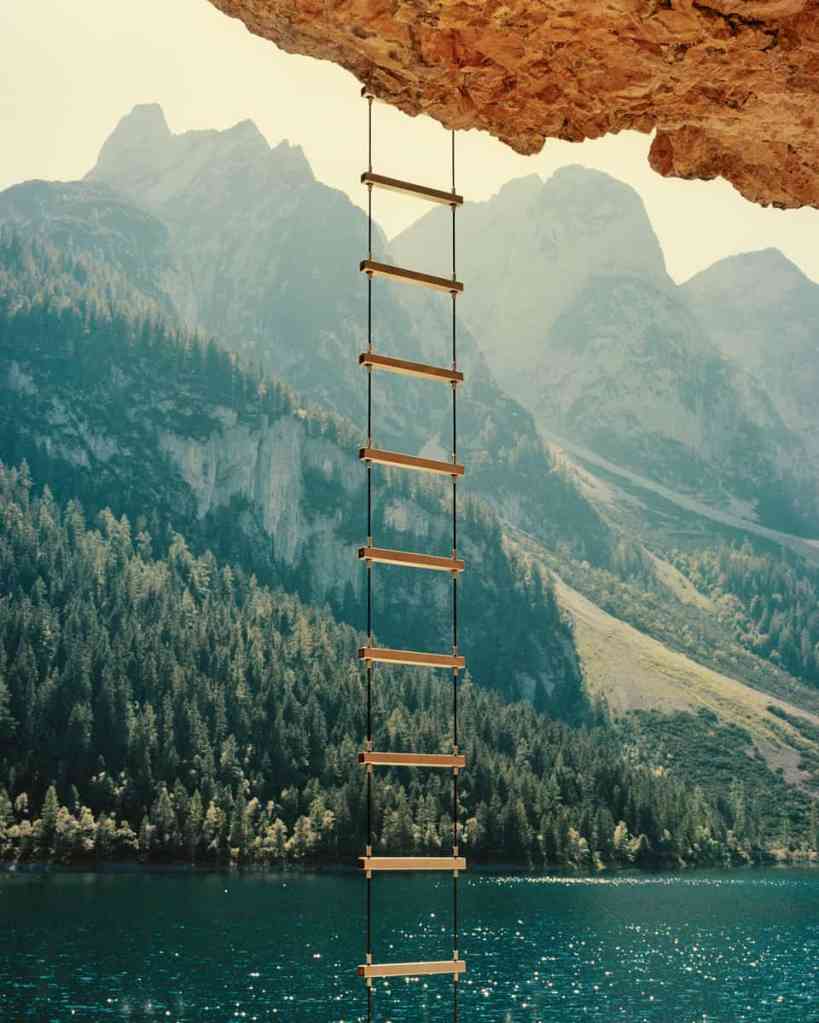
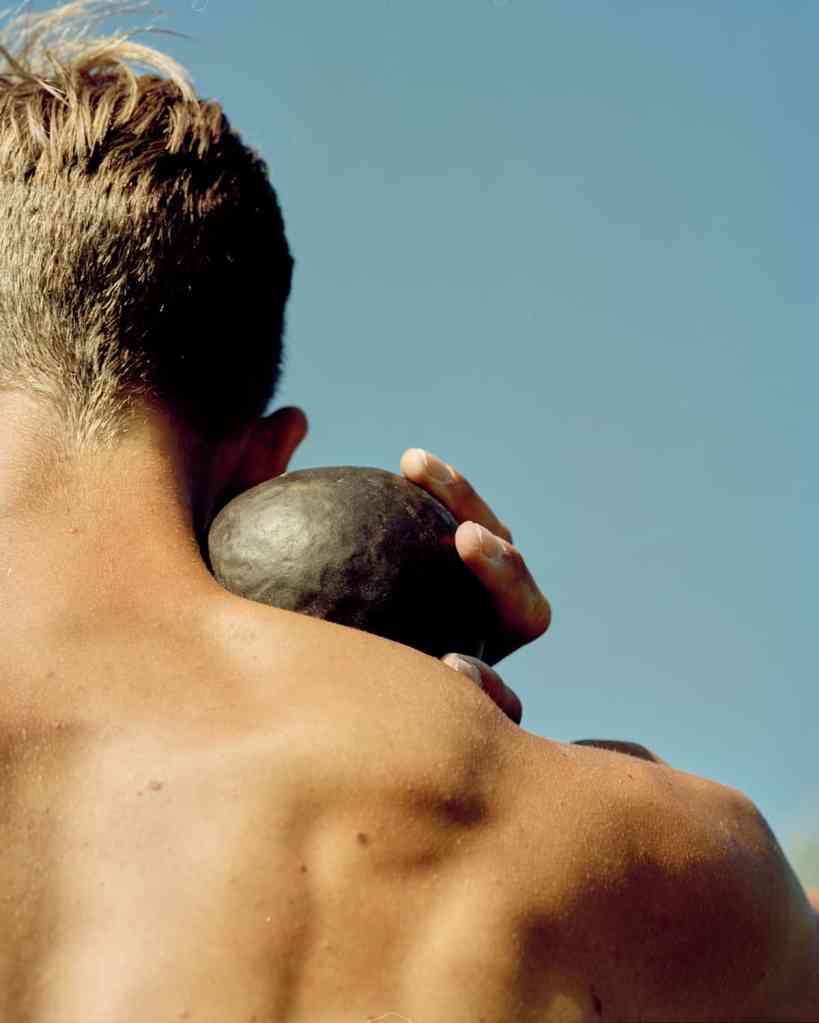
KATA GEIBL – ‘THERE IS NOTHING NEW UNDER THE SUN’
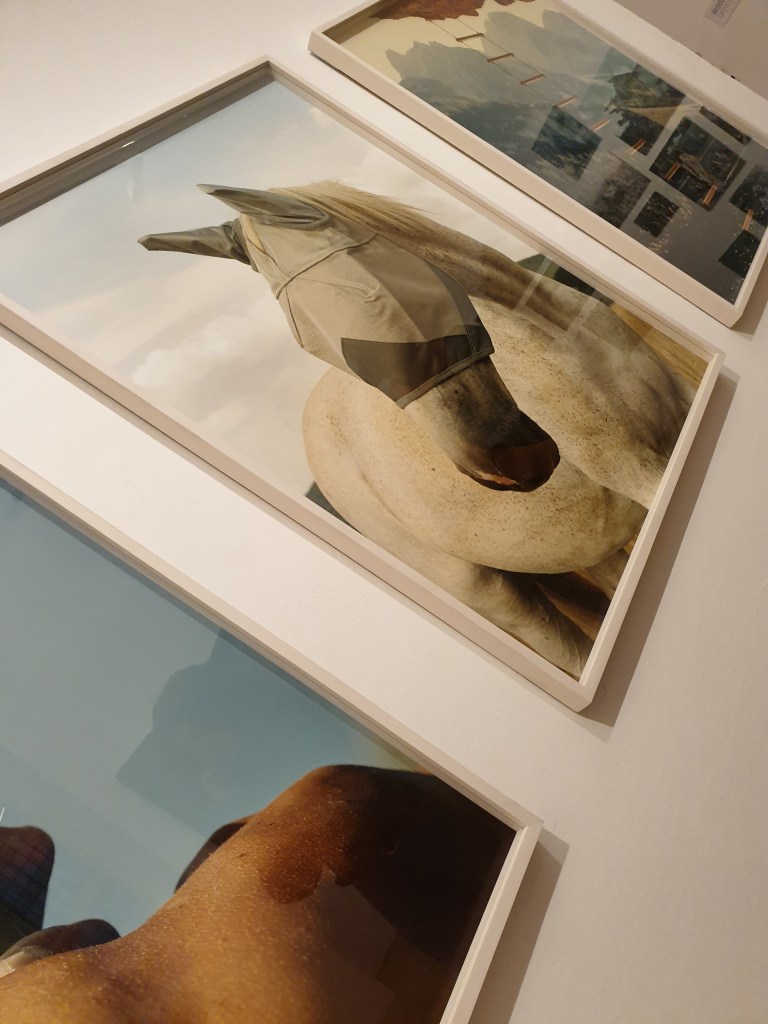
I love this work by Kata Geibl. Her images are composed and lit beautifully in natural light. There is a calm stillness to this series; you can almost feel the textures and atmosphere, and all the visuals are comfortingly familiar to me in an unexplainable way. The title of this work ‘There is Nothing New Under the Sun’ explains Geibl’s possible motivation to create tactile and familiar images that most people could identify with in some way to express the opinion that nothing new can be created.
SÁRA ZAGYVAI – ‘SANDBOXES’
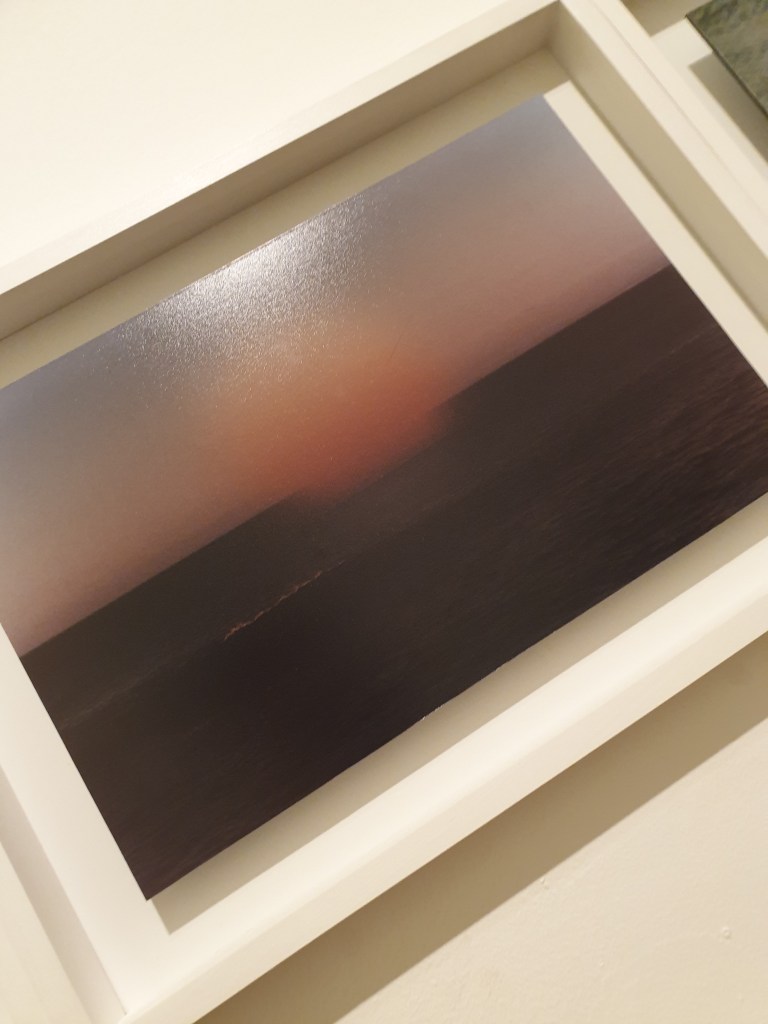
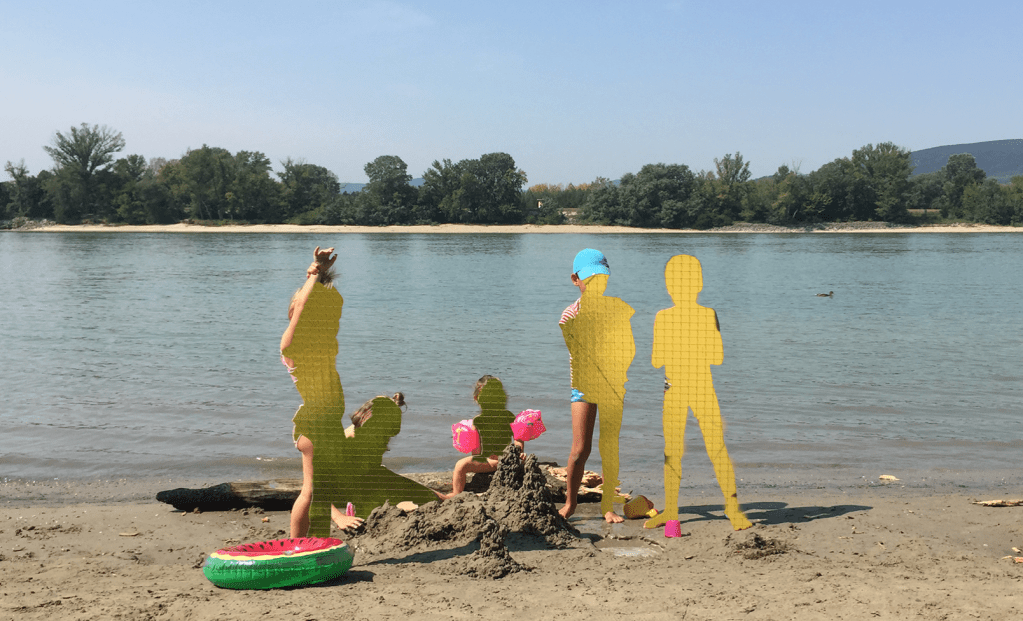
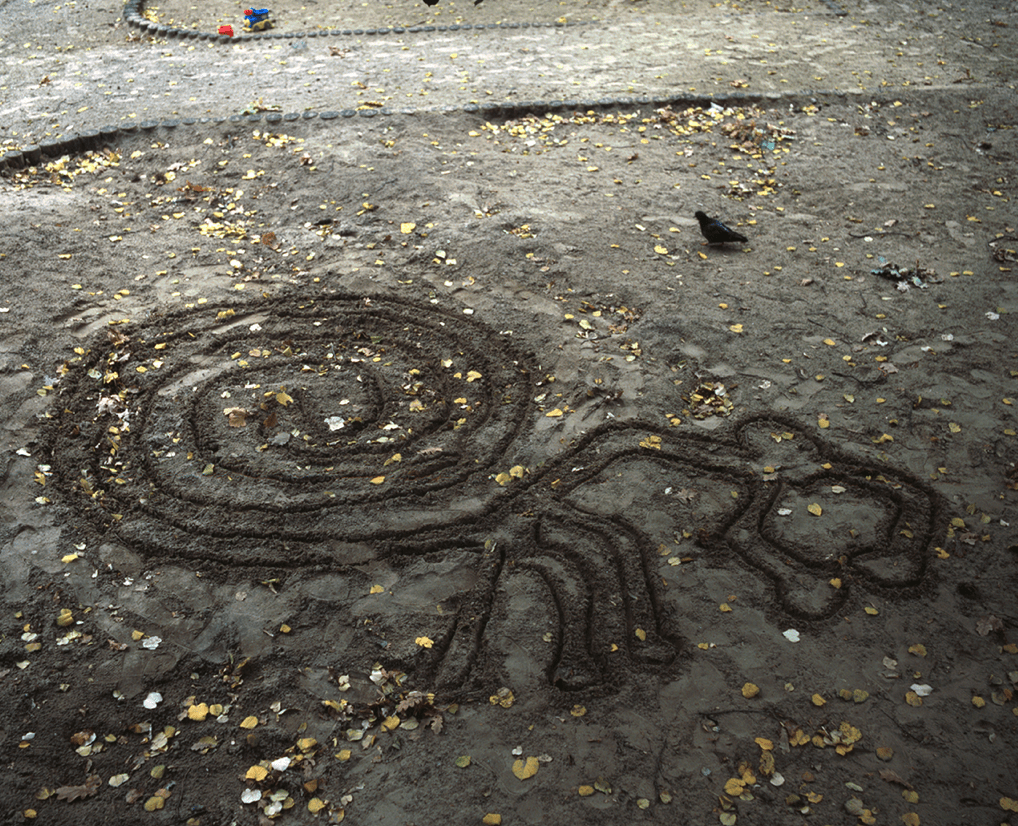
These experimental images from Sára Zagyvai really interest me, because I haven’t seen technique like this before. I am intrigued with how she made the soft sunset image, as it didn’t look natural in physical print. And I’d like to try the method of cutting out figures in a large physical print and filling them with a background, its really visually interesting and prompts a lot of questions. When I first looked at it I thought it was blank cardboard cut outs propped up in the sand – which would also make a weird image.
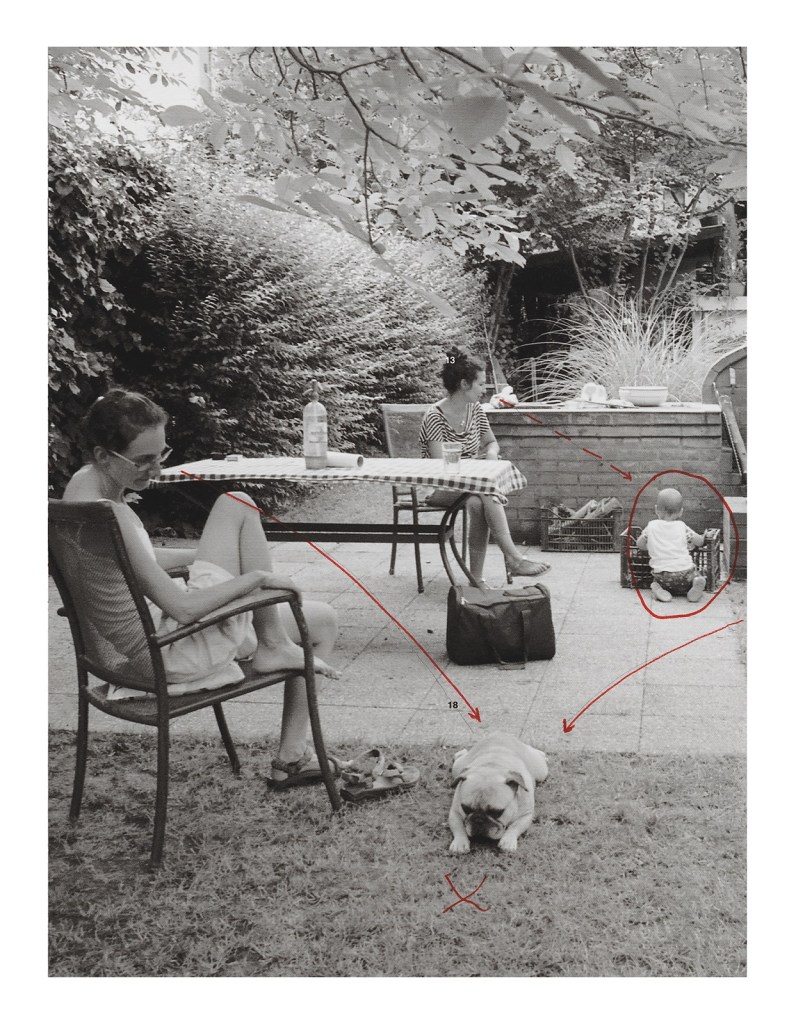
JÚLIA STANDOVÁR – ‘detail 02’
Marking out the eye line of where everyone in frame is looking, done similar to how you would on a contact sheet, adds an interesting element to an otherwise ordinary photograph.
I like this extra layer of pen drawing or writing Standovár has in some of her pieces which invites the viewer to look closer into the details of the image by following these arrows and circles.]
BALÁZS TURÓS – ‘CLOSER’
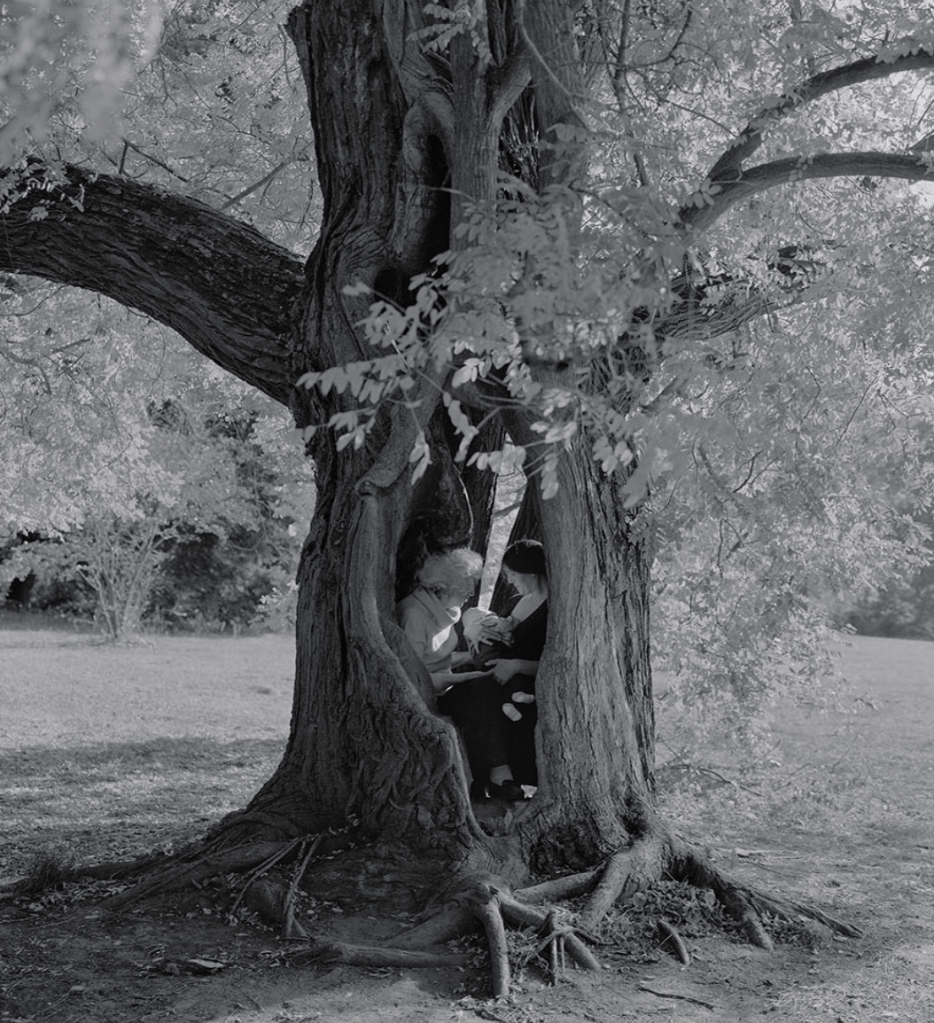

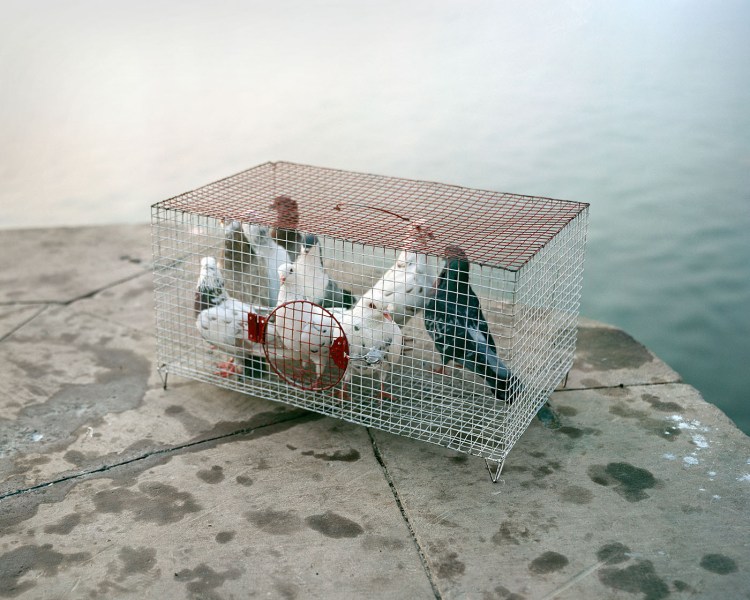
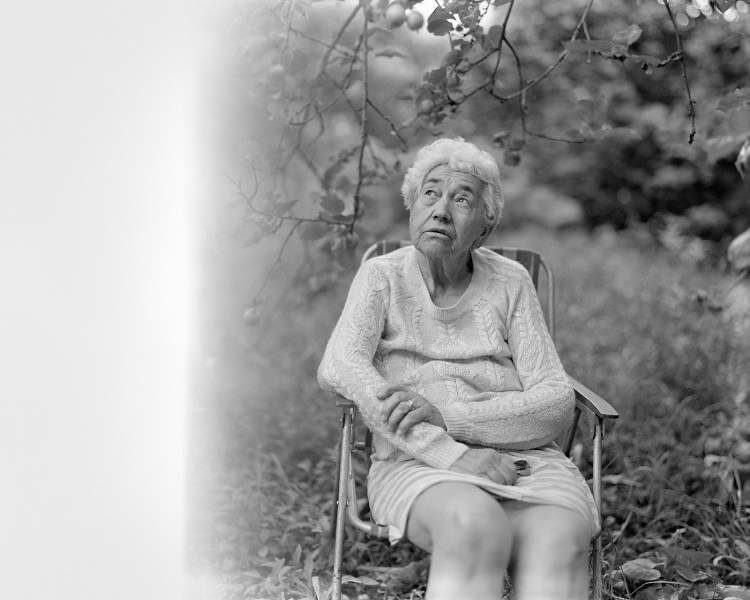
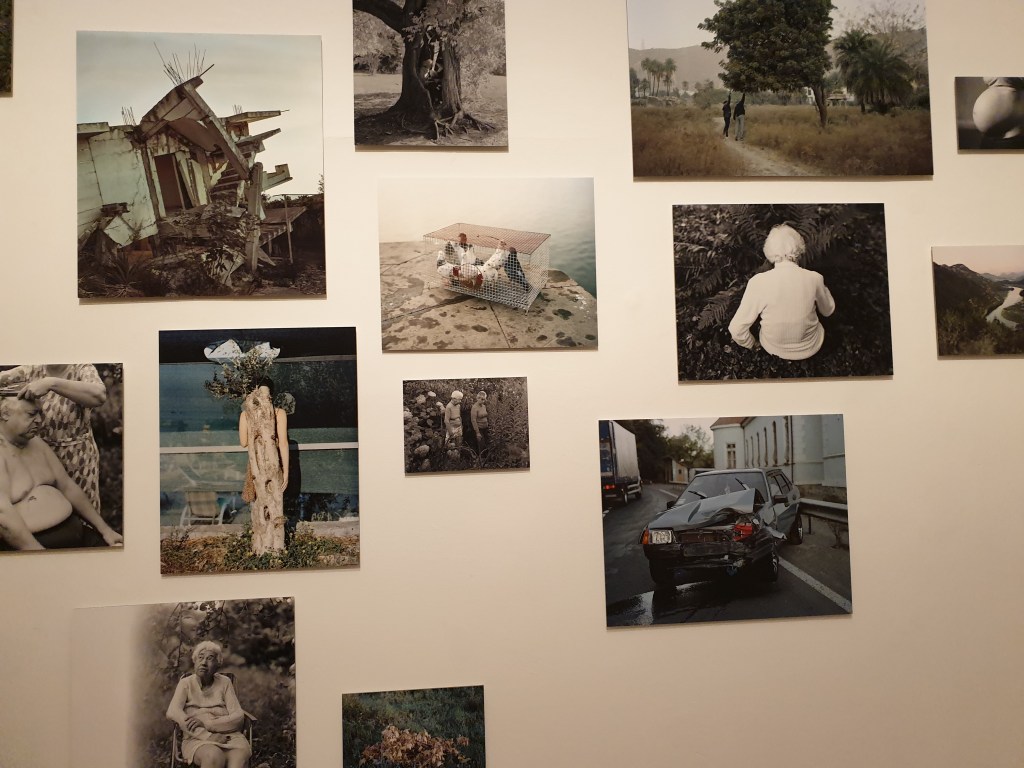
I think this series is absolutely beautiful. Aesthetically speaking they are very gentle images, some with contemplative atmospheres, mixed with tense and retrospective images. I particulary felt this with the photograph of the pigeons in a cage close to the water’s edge; the colours are pale and soft and the pigeons appear calm. However them being so close to the edge while trapped in a cage makes me feel tense because they could easily be knocked into the water and drown, but there is no other visual language to make the viewer feel this way.
Upon researching this series I found Turós intended this work as an exploration of asking if death becomes less scary as you get older. This explains the mix of calm, whimsical photographs of his grandmother, and the sad and slightly disturbing images of the damaged car, or the abandoned house falling apart.
Elderly people usually seem more comfortable and accepting of death, in a retrospective state of mind, and I think Turós communicates this feeling well through his photographs. His other photographs (usually the ones in colour) hint at a sadness and fear of death, as if from the distant perspective of those affected by the death of a loved one; the photos feel unexplainably lonely, mournful and apprehensive.
 oliverclarkephotoppp1