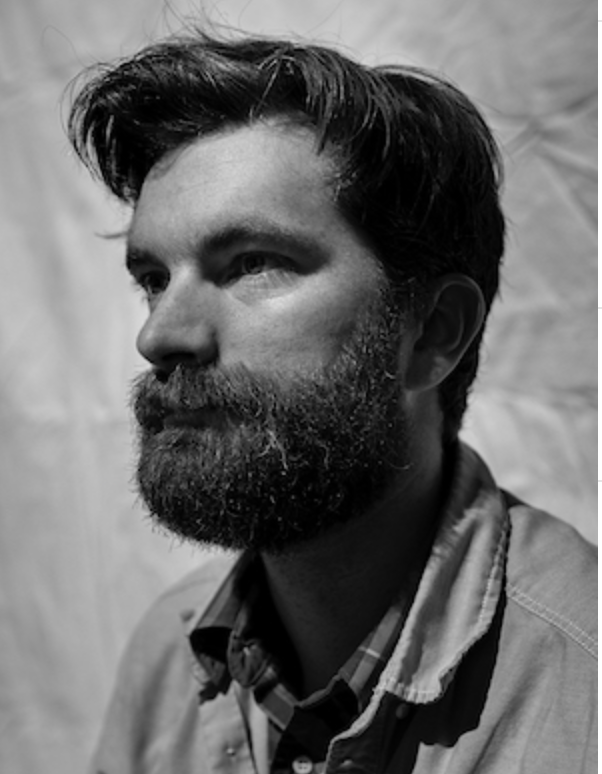
- Based in San Francisco
- He educated prisoners in USA and analysed photographs of/within prisons with them
- Prisoners perspective different from arty people. They value the truthfulness and reliableness of the photo’s content rather than the aesthetics or “deeper meaning”.
“Would the public fix its prisons if it could see them?”
New York Post
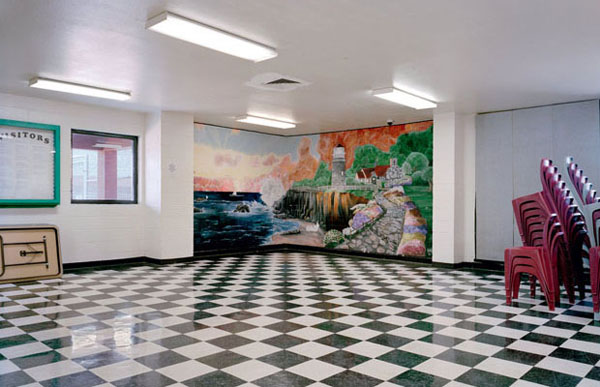
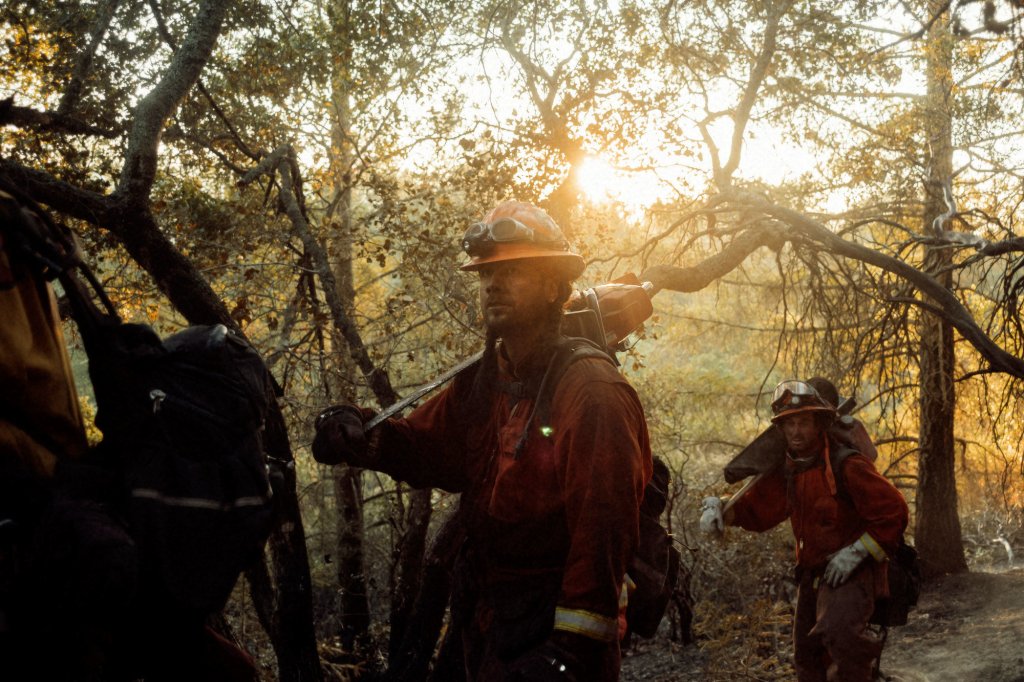
“There are 43 conservation camps in California for adult offenders, and 30 to 40 percent of CAL FIRE’s firefighters are inmates from the camps. The inmates work 24-hour shifts, often sleeping in the wilderness, then get 24 hours of rest before heading back to fight fires. Most inmates in California get a day off their sentence for each day of good behavior. Inmates in the firefighting program get two days off for each day they’re in the conservation camps.”
https://www.themarshallproject.org/2017/10/23/the-california-inmates-fighting-the-wine-country-wildfires

JACOBIA DAHM
“With 2.3 million people in prison, the United States has the largest prison population in the world. An estimated 2.7 million American children have a parent in prison and the toll on families is immense”.
https://www.jacobiadahm.com/in-transit
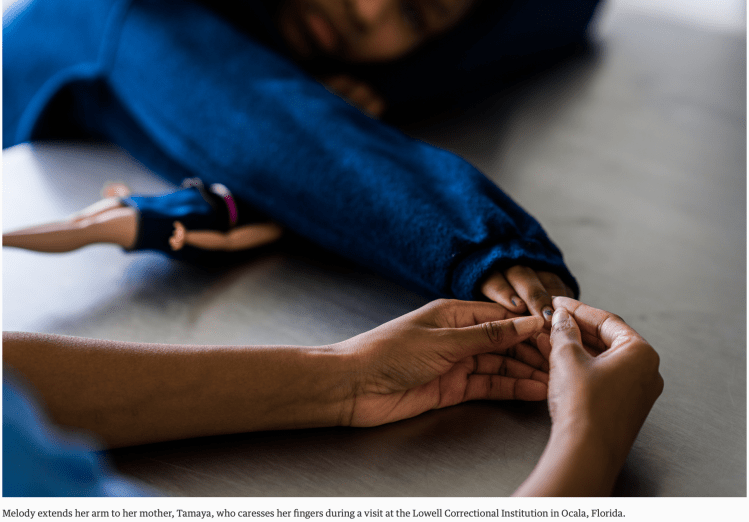

https://isadorakosofsky.com/still-my-mother-still-my-father
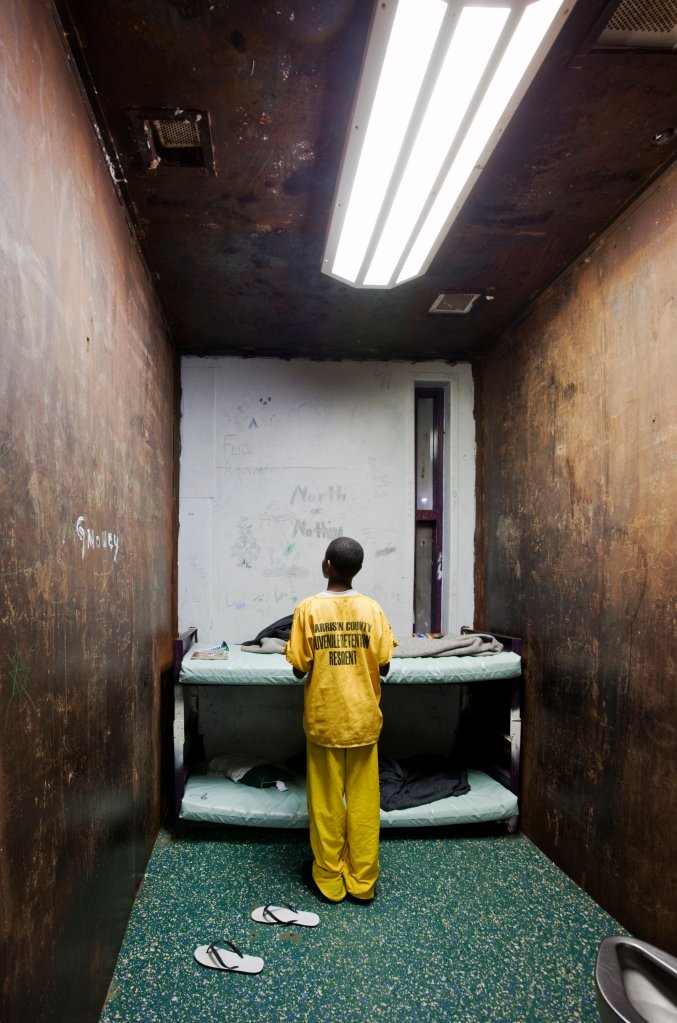
Juvenile-in-justice.com has put the face on juveniles in the justice system. While data is undeniably important, locating the numbers in the context of a real child is critical to creating empathy.
Harrison County Juvenile Detention Center in Biloxi, Mississippi. A fire in 1982 killed 27 inmates. There is currently a lawsuit against them which forced them to reduce their population. They must now maintain an 8:1 inmate to staff ratio.
PRISONER PORTRAITS
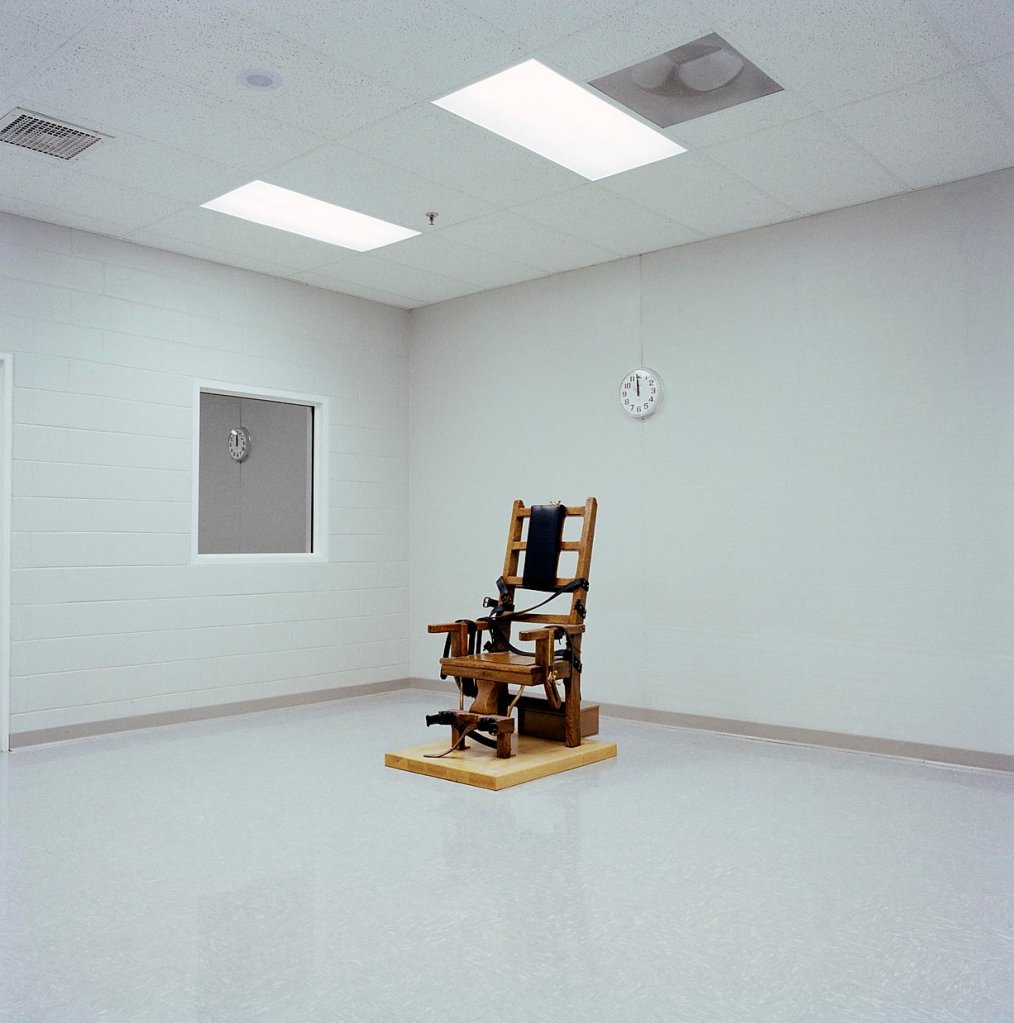
THE OMEGA SUITES (1990s)
DEATH PENALTY
I found this talk really interesting and insightful to how working with people who aren’t “creative practitioners” to have discussions and make creative work together, and to learn the perspective of others who aren’t in the creative industry. It has inspired me to practice documentary photography more, and to use it effectively to communicate issues/events/people in a way that starts a discussion and perhaps even instigate change. Also to learn about different walks of life, and to collaborate with the people I photograph to produce meaningful work that they would endorse as a representation of them or the message they want to convey.
I would like to attend more talks like this because it introduces me to new ideas and how artists approach issues/briefs differently. It would also be a good way to network within the creative industry and to build my confidence when meeting new people and getting involved in topical conversations and observations.
 oliverclarkephotoppp1
One thought on “PETE BROOK – WRITER, CURATOR, EDUCATOR”